
A wire frame topiary is the bare armature: steel rod bent to the animal and welded, then galvanized over every surface. That includes the welds, where outdoor steel normally fails first. You can stuff it with sphagnum moss, plant it with creeping fig or ivy, or leave it bare as a sculpture. It is the same frame under every mossed and turf piece we make.
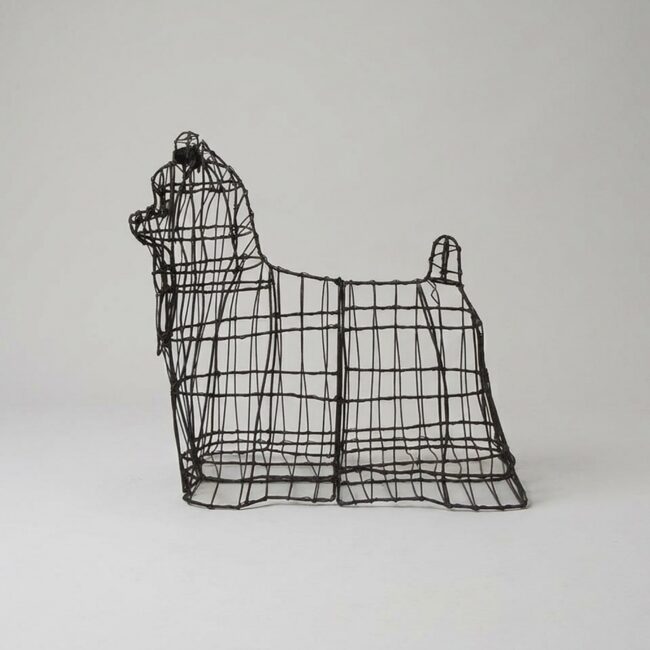
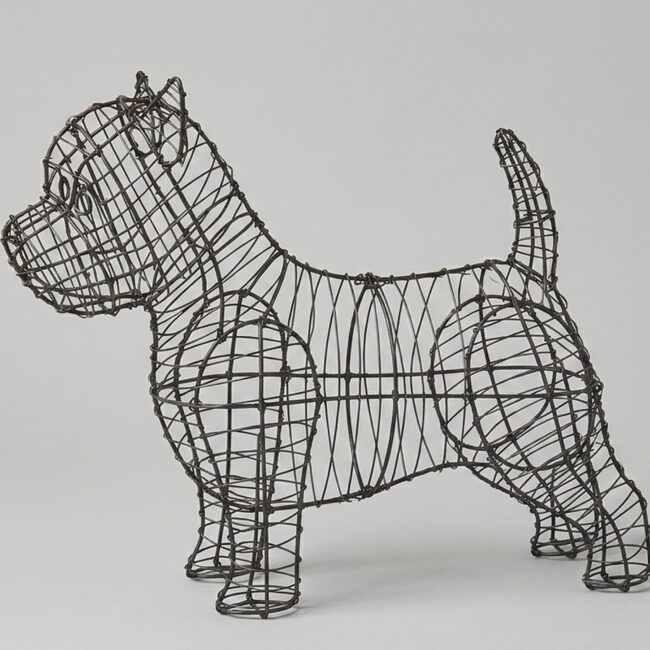
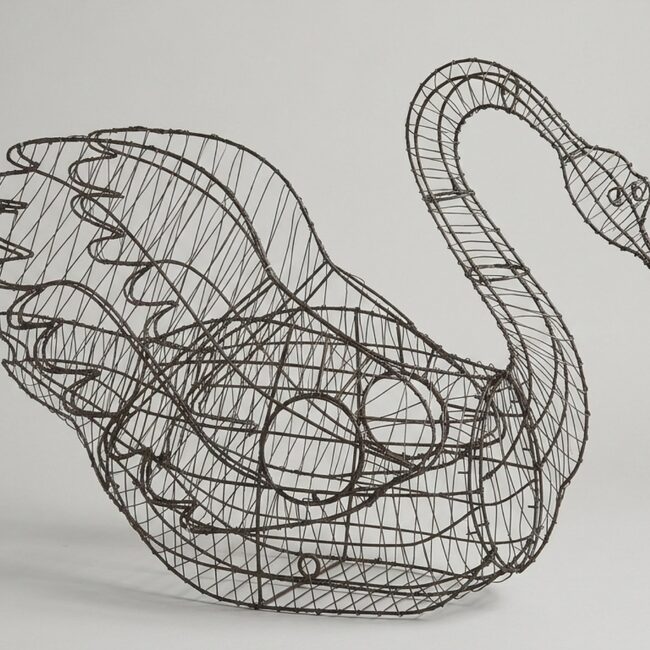
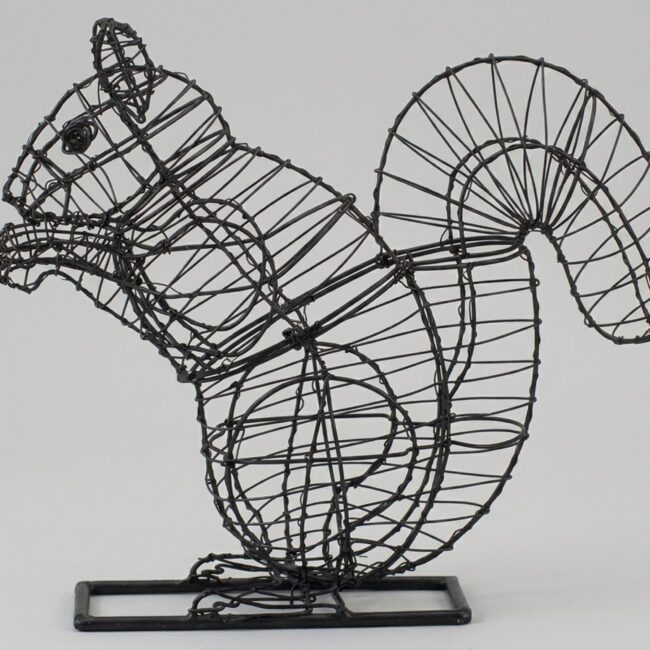
Animal Topiary – Wire Frame Topiary
Squirrel Topiary, Wire frame, 12–18 in
Price range: $149.30 through $275.45
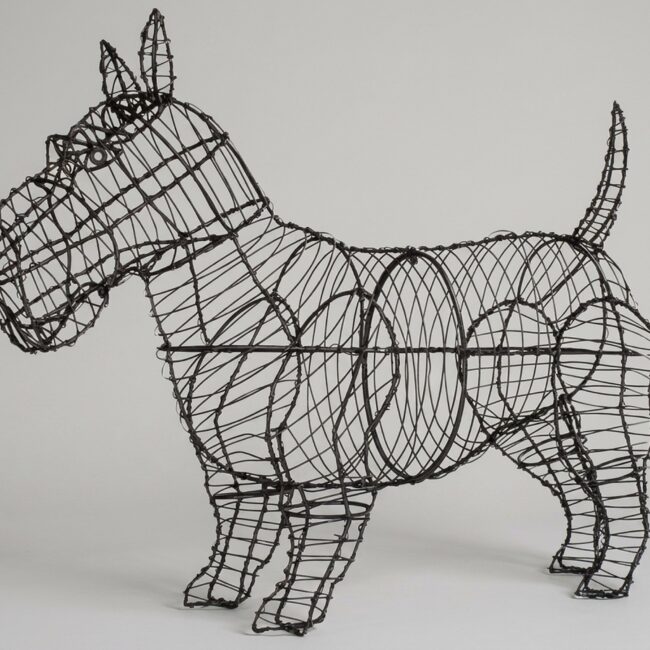
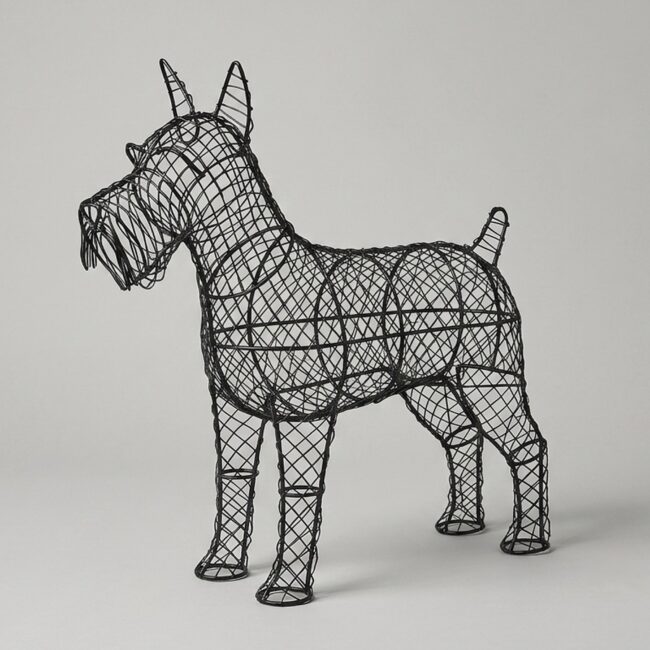
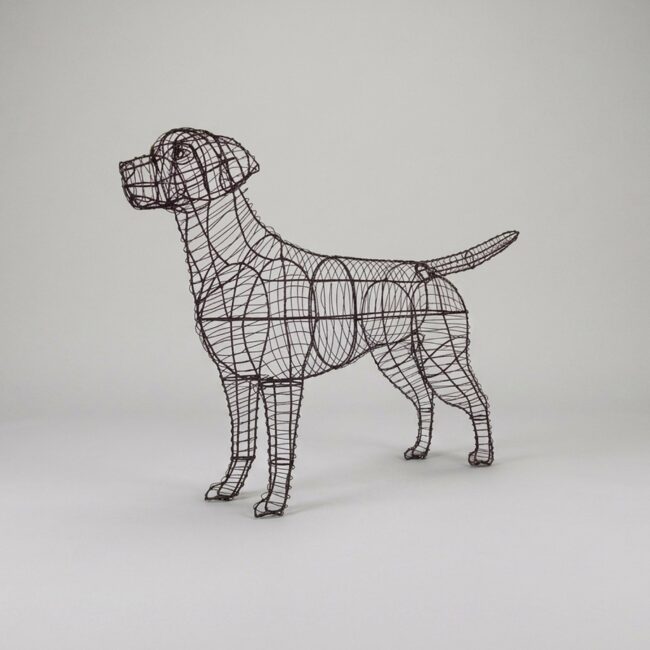
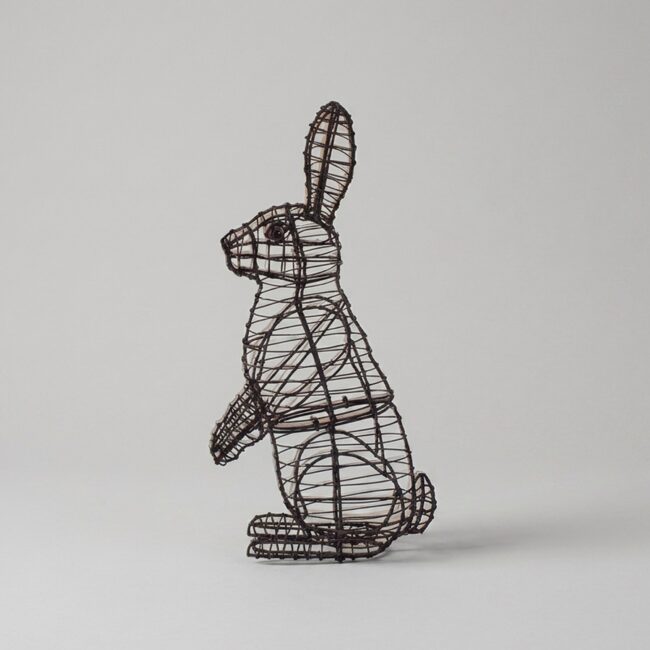
Animal Topiary – Wire Frame Topiary
Rabbit Sitting Upright Topiary, Wire frame, 21 in
Price range: $97.00 through $216.60
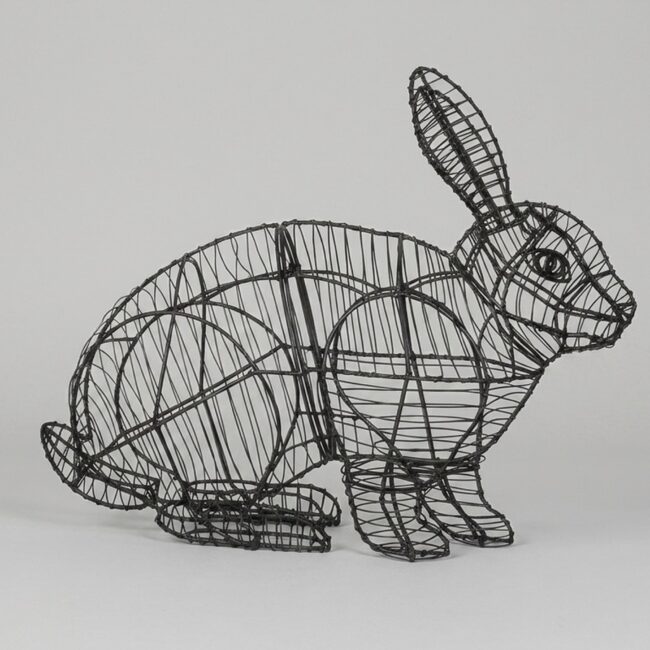
Animal Topiary – Wire Frame Topiary
Hopping Rabbit Topiary, Wire frame, 13–20 in
Price range: $90.45 through $311.20
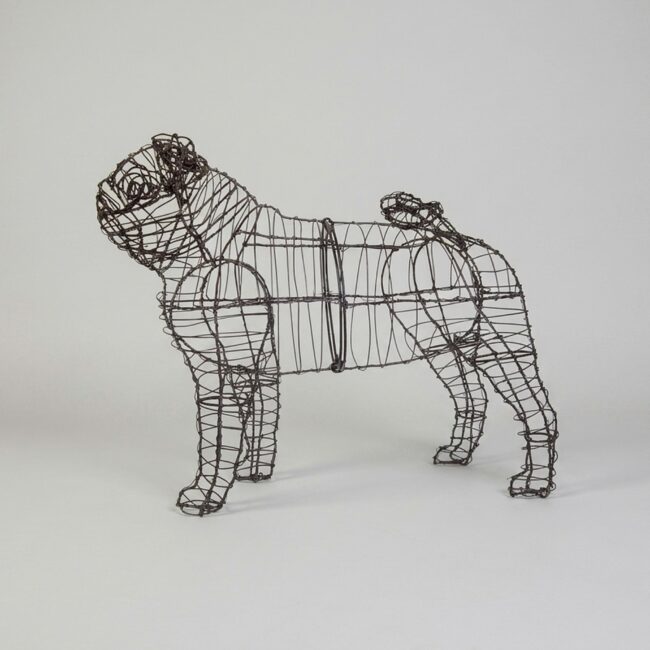
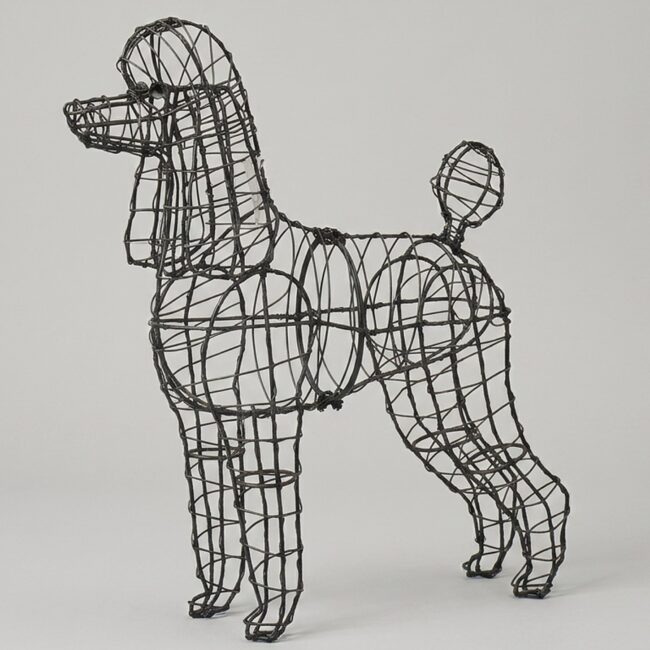
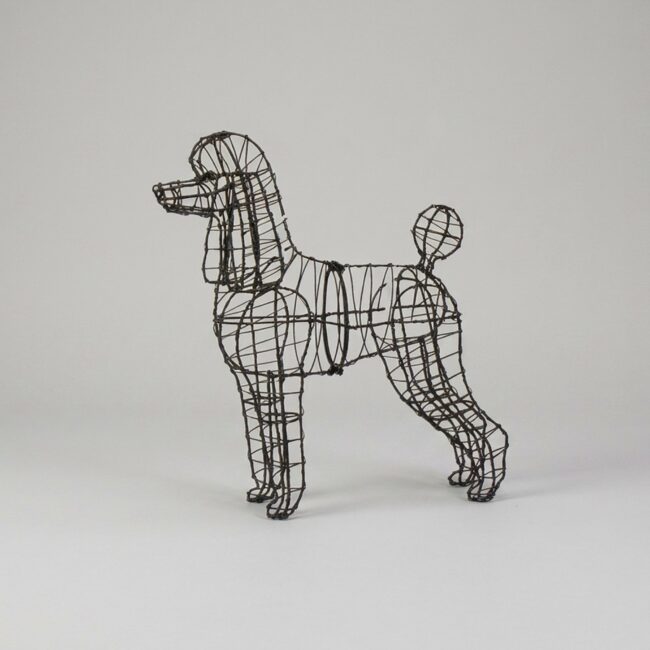
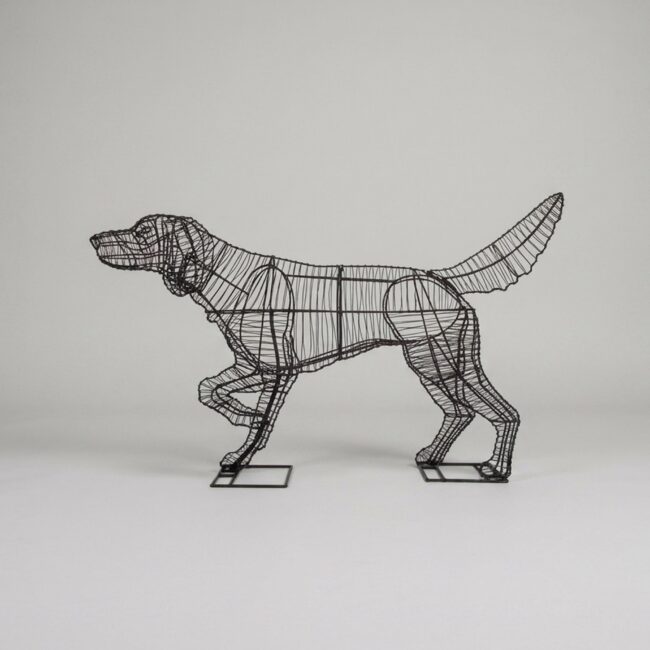
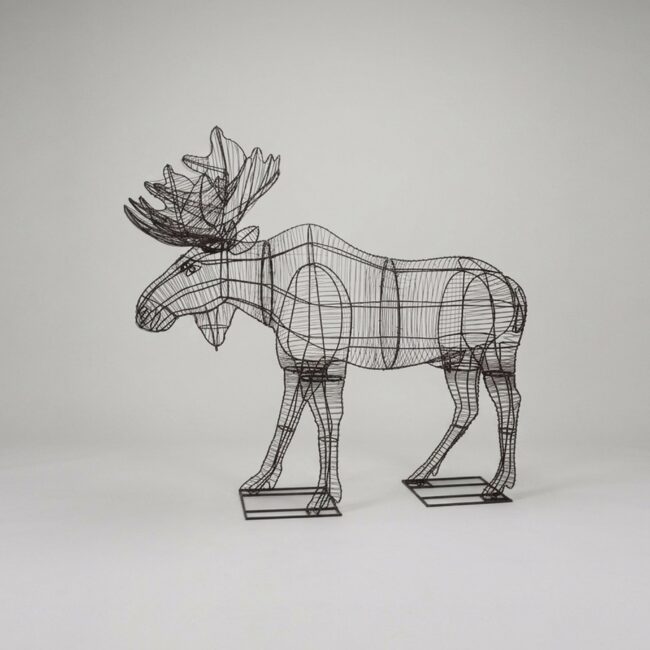
Animal Topiary – Wire Frame Topiary
Moose Topiary, Wire frame, 60 in
$1,649.00delivery quoted separately
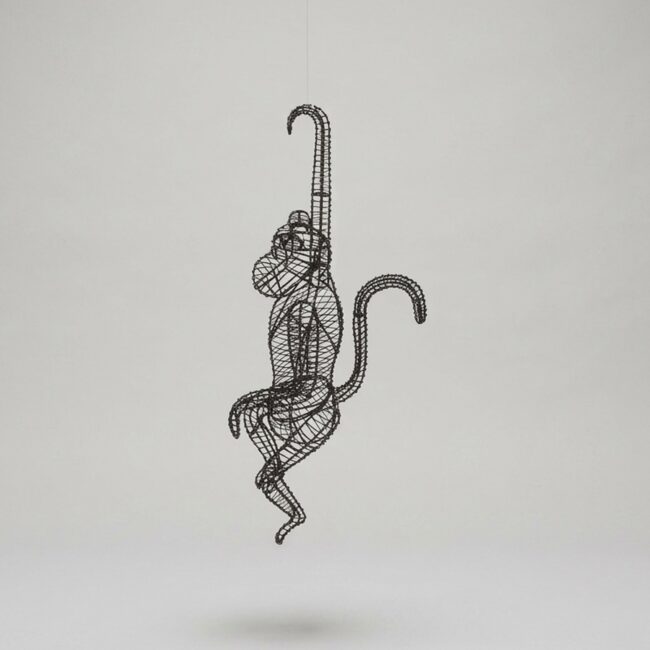
Animal Topiary – Wire Frame Topiary
Hanging Monkey Topiary, Wire frame, 26–39 in
Price range: $189.25 through $296.45
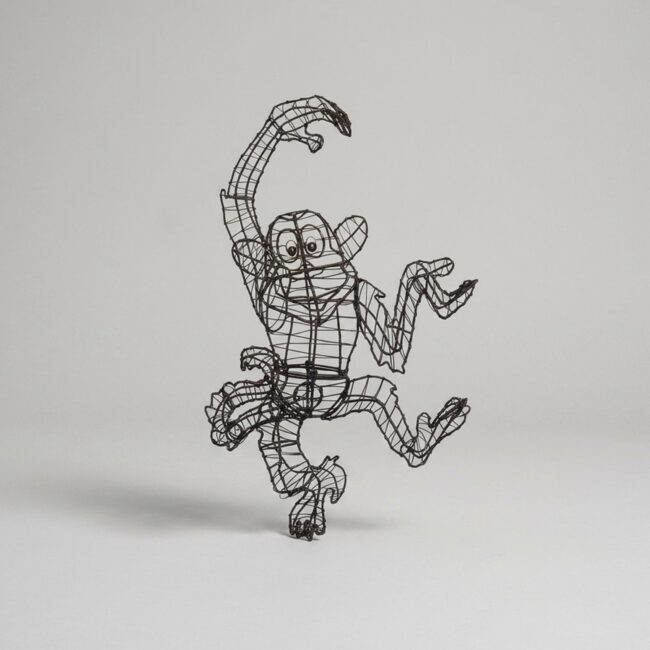
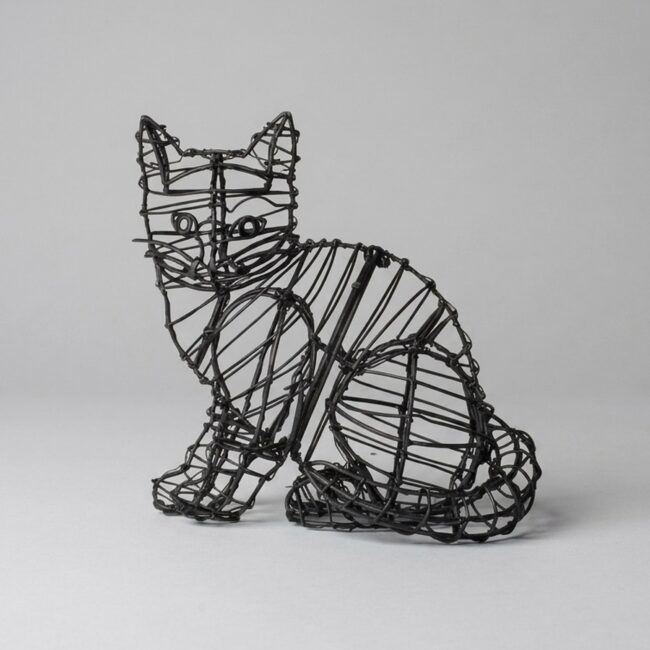
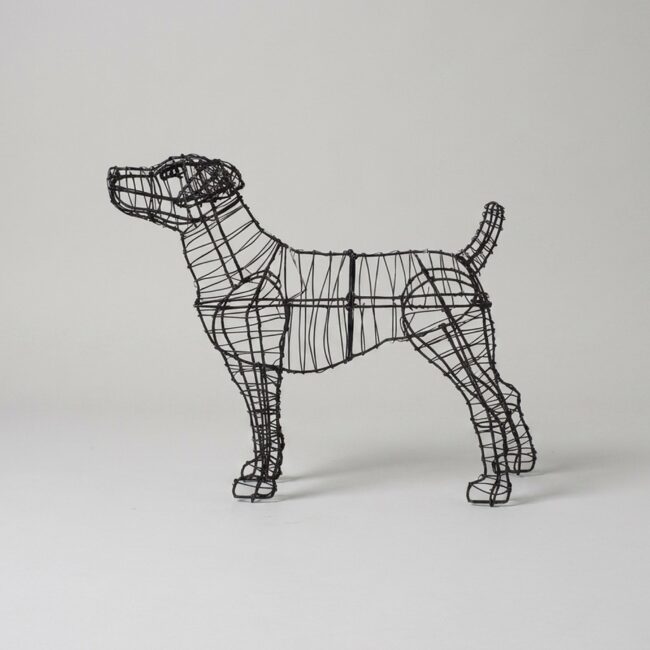
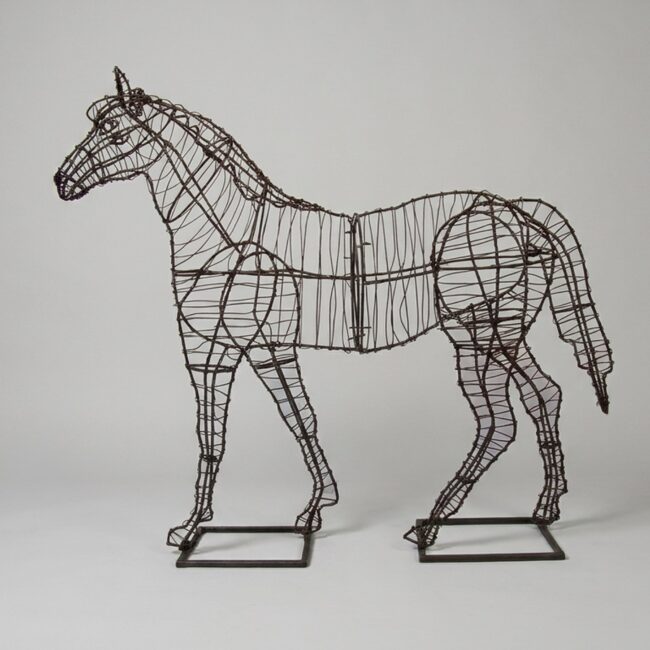
Animal Topiary – Wire Frame Topiary
Horse Topiary, Wire frame, 17 in
Price range: $135.00 through $1,560.00
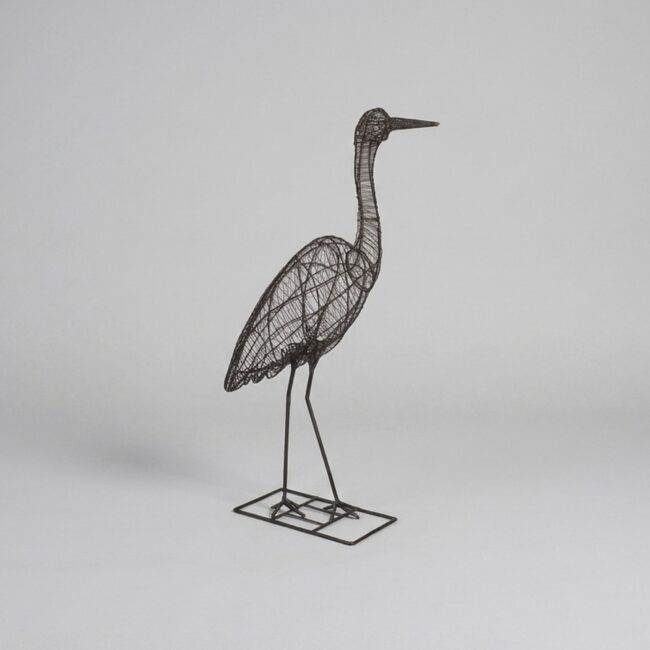
Animal Topiary – Wire Frame Topiary
Heron Topiary, Wire frame, 40–48 in
Price range: $239.73 through $338.50
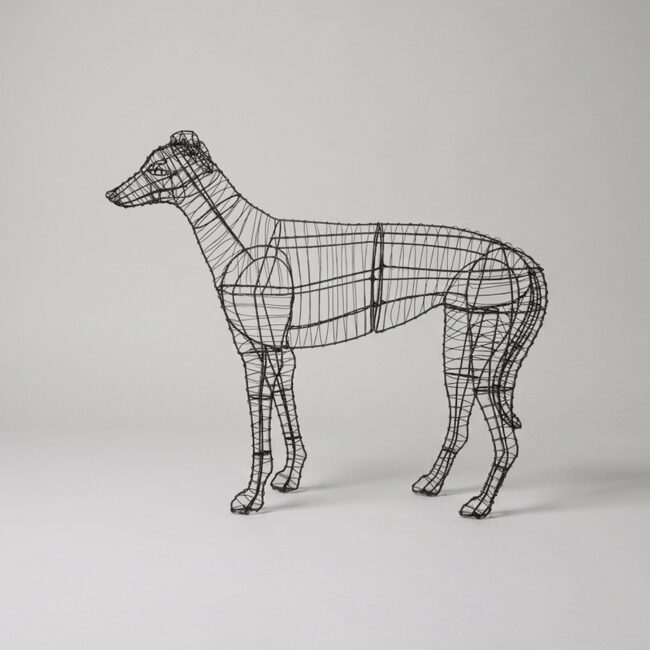
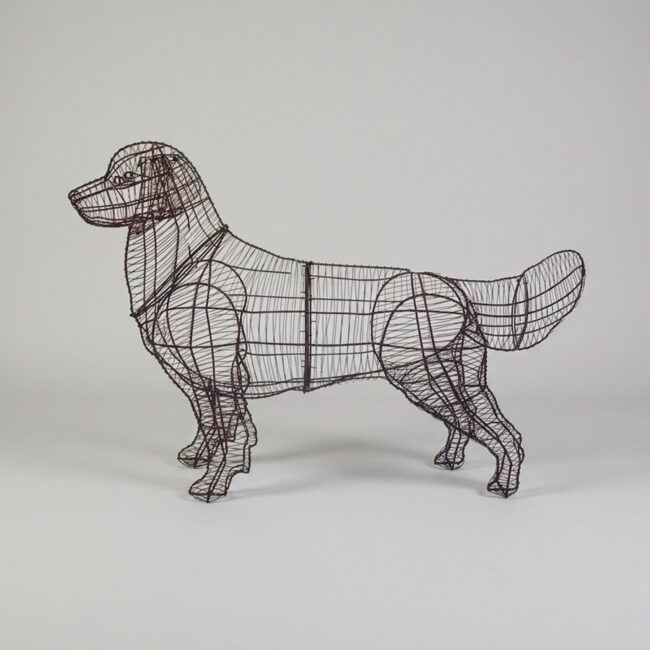
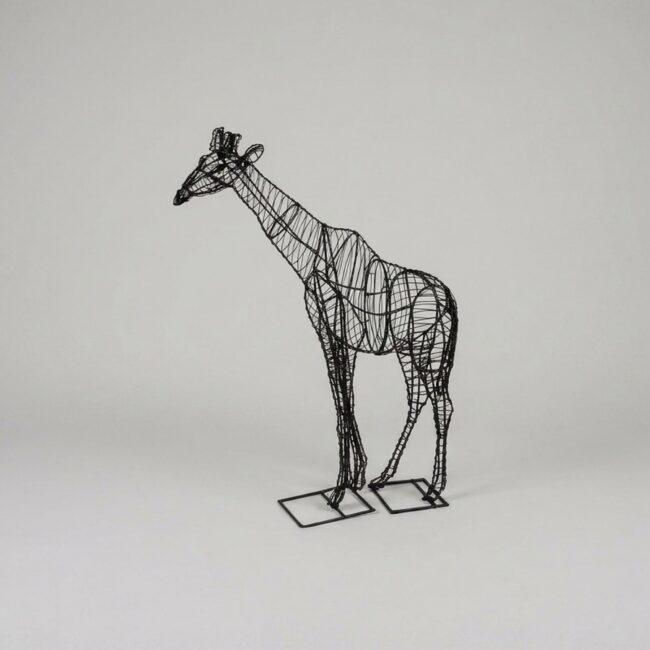
Animal Topiary – Wire Frame Topiary
Giraffe Topiary, Wire frame, 38 in
Price range: $380.55 through $7,757.48
Animal-Shaped Wire Topiary Frames
TopiaryTree.net carries wire topiary frames shaped like animals, from four-legged figures to bird outlines. You train plants over the frame, and they grow into the animal’s shape.
You have other options too. You can fill a frame with moss, cover it with artificial greenery, or train vines up it. Wire holds fine detail, so a rabbit or a giraffe is recognizable at a glance.
A frame is light, so it is easier to move and install than a stone or wood sculpture. It is also reusable: you can replant or reshape it when the season or the theme changes. Frames suit gardens and events, and they add charm to commercial spaces.
Steel Rod, Welded for Strength
The frames are made from steel rod rather than thin wire, and that is where the strength comes from. Each one is formed by hand or machine from round steel bars, reinforced with steel tubing, then welded.
Rod thickness goes up with the size of the frame:
Small frames: 1/8″–3/16″
Large frames: 1/4″–3/8″, with internal tubing for support
So a frame holds its shape under a heavy load of plants, and outdoors in all kinds of weather.
Steel Rod Frames vs. Chicken Wire
Chicken wire is thin gauge wire mesh. It is fine for small projects, but it bends out of shape.
Material: steel rods of 1/8″–3/8″ vs. thin gauge wire mesh
Strength: high, supports heavy plants vs. moderate, best for small projects
Finish: galvanized, with powder coating as an option vs. often uncoated
Shape retention: excellent vs. prone to bending
Finishes and Rust Protection
Every frame is galvanized as standard. Powder coating is an optional upgrade, and it comes in a choice of colors.
Galvanized steel gives the best rust protection. Enamel paint, a galvanized dip, powder coating and oil sealants all add weather resistance.
A galvanized or powder-coated frame needs very little care:
Dust or rinse it now and then
Touch up the paint on a powder-coated frame if it gets scratched
Galvanized frames stay outdoors all year. A planted frame in a pot may need winter protection, but for the plants, not the steel.
Indoors or Outdoors
Wire frames work in both places. Outdoors, galvanized and powder-coated frames resist rust and weather damage. Plan the drainage and plant choice before you plant.
Indoors, a frame makes a decorative piece with live or artificial plants. It sees less moisture there, so it lasts longer.
Filling a Frame With Moss or Plants
Yes, a frame will carry moss and plants. The best method is to wrap the metal frame in chicken wire first. Internal tubing and reinforced joints take the weight of heavy coverage.
What you can fill it with:
Growing medium: sphagnum moss, coco liners or potting soil
Dense plantings: ivy, creeping fig, sedum or succulents
Stuff the moss in tightly. Then wrap it with fishing line or florist wire to hold it in place.
Two Ways to Grow Plants on a Frame
Train a plant that is already growing. Place the frame over boxwood, ivy or euonymus. Trim regularly to match the shape.
Plant into a moss-filled frame. Soak the moss first. Insert creeping vines such as fig or ivy through the holes or the open frame. Water and fertilize it like a hanging basket.
Once the plants are in, keep the frame in place to guide growth. Move the vines around to fill gaps and keep both sides even.
Choosing Plants for Your Animal
Match leaf size to frame size. Small-leaved plants show detail best, and they make the animal look more real.
Pick plants that mimic fur, feathers or skin. Grasses and succulents work, and so does variegated foliage. Wire detailing on the frame adds texture too.
Variegated or flowering plants add color. Check the sun and humidity where the piece will stand, and the temperature range. If upkeep is a concern, choose drought-tolerant plants.
Choose the animal to suit the event or the brand.
Custom Animals and Sizes
Frames come in a variety of sizes, for a patio or a larger outdoor area. If you need something specific, see our custom-made topiary.
You can request a specific animal, pose or size. Designs range from tabletop cats to life-sized elephants, and even dinosaurs. Custom work covers branded, themed and event-specific sculptures.
Frames can be scaled for a tabletop, a garden or a large installation. They suit hotel lobbies, zoo exhibits and event stages. Each is built to spec, with internal support for moss or live plants. Lead times vary. We build custom frames to your drawing or photo.
For a finish with no upkeep, pair a frame with artificial boxwood plants.
Popular Animal Shapes for Topiary
Domestic
Dogs: especially poodles, dachshunds and terriers, often seen in hotel gardens and pet-themed displays
Cats: usually perched or curled up
Rabbits: especially popular in European gardens
Farm and woodland
Horses: often life-sized, for estate gardens and equestrian venues
Cows and goats: common in rustic or farm-style landscapes
Pigs: often stylized with rounded forms
Exotic and safari
Elephants: a favorite for large displays and botanical exhibitions
Giraffes: tall, so they make a strong focal point
Lions and tigers: suited to formal gardens
Fantasy and fun
Pandas and lemurs: used in children’s gardens and theme parks
Birds: swans, owls and peacocks, for their silhouettes
Dinosaurs: seen at events and in themed gardens
You can make any of these with live plants, a moss-filled wire frame or artificial greenery. Pick by the setting and how much upkeep you want.
How to Maintain a Topiary
Trim every 4–6 weeks during the growing season. With the right care, a topiary stays crisp for years.
Trimming and shaping
Use sharp shears or hedge trimmers for clean cuts. Step back and look at the shape before any big cut. If you are a beginner, start with a sphere or a cone before you try an animal or a spiral.
Feeding and plant health
Feed the plants on your frame with a balanced fertilizer in spring and midsummer. Water consistently, especially in dry spells, but do not overwater. Remove dead or diseased branches promptly so the problem does not spread.
Cleaning and detail
Dust indoor topiaries with a soft brush or compressed air. Mist moss-filled frames lightly to keep the moss fresh and pliable. Use florist wire to tie in stray branches or reshape areas that lose definition.
Seasonal protection
Do not trim in extreme heat or frost. Spring and early fall are best. In harsh winters, wrap outdoor topiaries in burlap or move them somewhere sheltered. Spray evergreens with an anti-desiccant to stop moisture loss in the cold.
Be Patient
Topiary is slow. Let the plant grow into its form gradually, and trim conservatively so you do not stress or damage it.
Animal Topiary – Wire Frame Topiary — common questions
What do I put on a wire frame?
Long-fiber sphagnum moss is the traditional filling. Alternatively plant it up with creeping fig, small-leaved ivy or another climber and let the greenery grow through the cage.
Will a bare frame rust outside?
No. It is galvanized over every surface, including the welds, so it is built to stay outdoors year-round. Frames come back through the workshop after years outside with the steel still sound.
Do frames come with instructions?
Yes, and our planting guide covers stuffing and planting step by step.
Can you make a frame to my own design?
Yes. That is most of what the workshop does. Send a photograph or a sketch with the height you want.