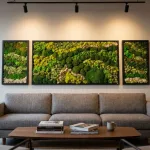
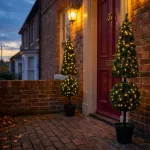
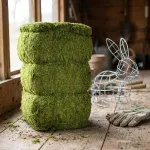
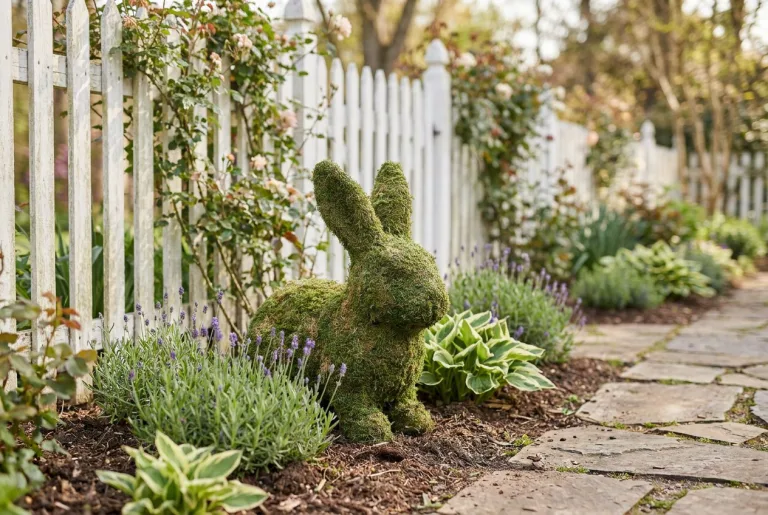
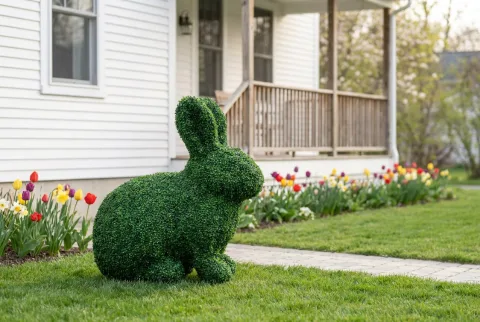
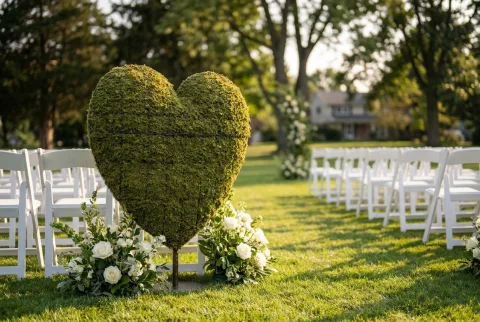
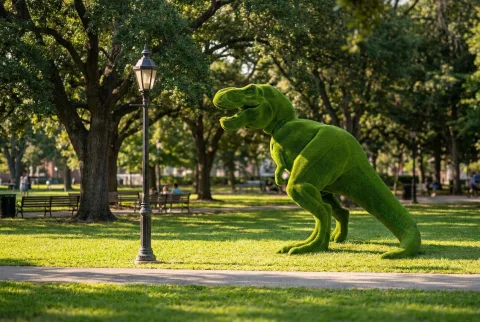
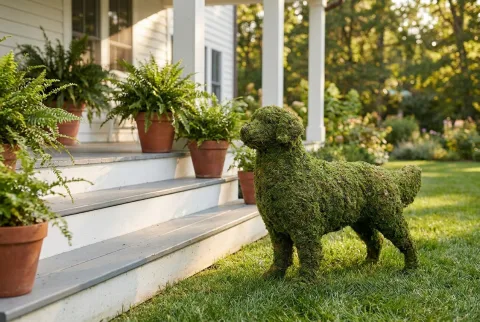
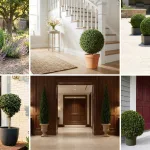
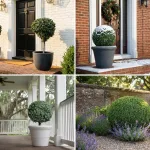
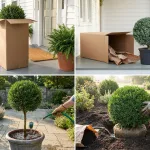
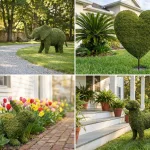
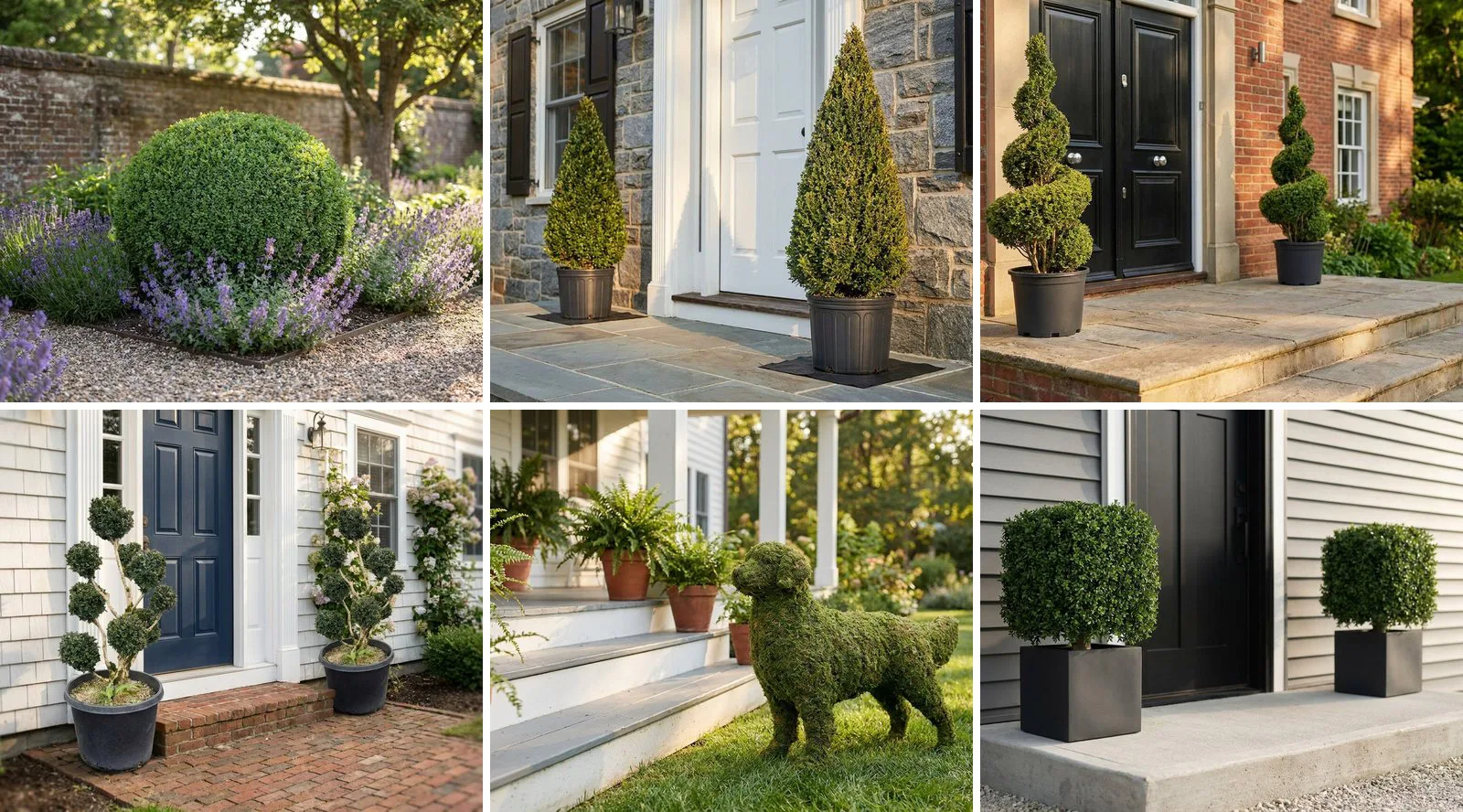
The ten most popular topiary shapes are the ball, the ball on a stem, the double or triple ball, the cone, the spiral, the pom pom, the square, the hedge, the animal and the letter. The ball and the cone are the easiest to keep. The spiral and the animal get the most attention from the street.
Pick the shape for the spot first, then the material. Each section below says where a shape looks right, the sizes we carry, and whether live, preserved or artificial suits it best.
Which shape for which spot
| The spot | Shapes that suit it |
|---|---|
| A front door or gate | A pair of cones, spirals or balls on stems |
| A narrow porch or corner | Cone, spiral, square |
| A garden bed or lawn | Ball, pom pom, an animal |
| A patio or terrace | Triple ball, ball on a stem, square |
| A dining table or console | A small ball, a double ball |
| Privacy along a fence or deck | Hedge panels |
| A wedding, party or lobby | A letter, a heart, an animal |
1. Ball
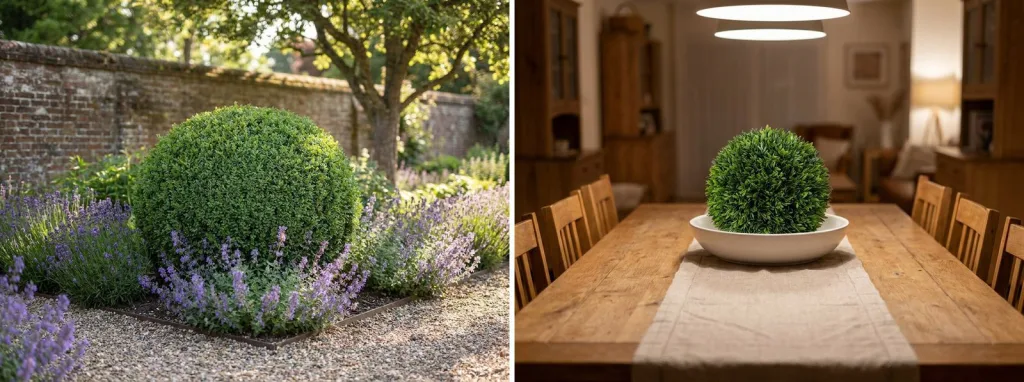
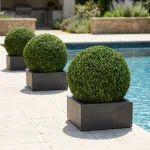
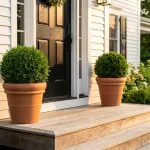
The ball is the most popular shape, and the easiest to live with. It looks calm next to any style of house, and a round outline is the easiest to trim by eye. Small balls sit in window boxes and on tables. Large ones anchor the corner of a bed.
We carry live boxwood balls from about 12 inches to 5 feet, and artificial topiary balls from 6 inches to 5 feet. Not sure of the size? Read what size boxwood ball to buy.
2. Ball on a stem (standard)
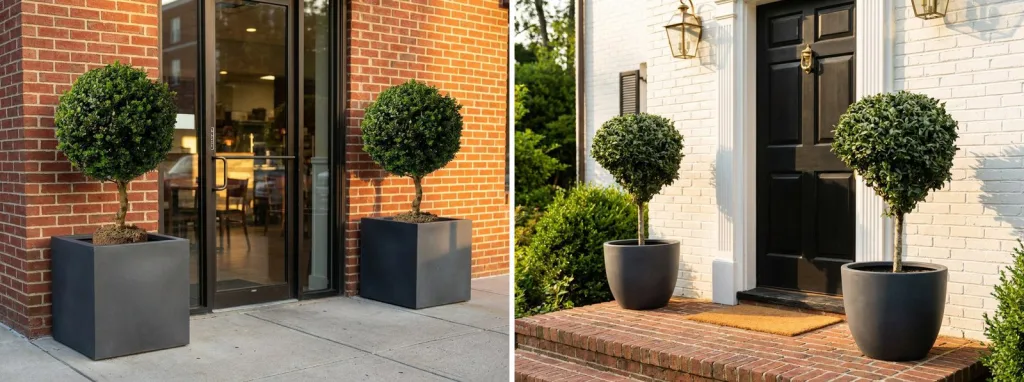
A ball on a clear stem is called a standard. It gives you height without bulk, because the stem takes up almost no floor space. That makes it the best shape for a narrow step where a big ball would get in the way.
Standards look best in pairs. Live boxwood standards run from about 2 feet to 7 feet in our ball range.
3. Double and triple ball
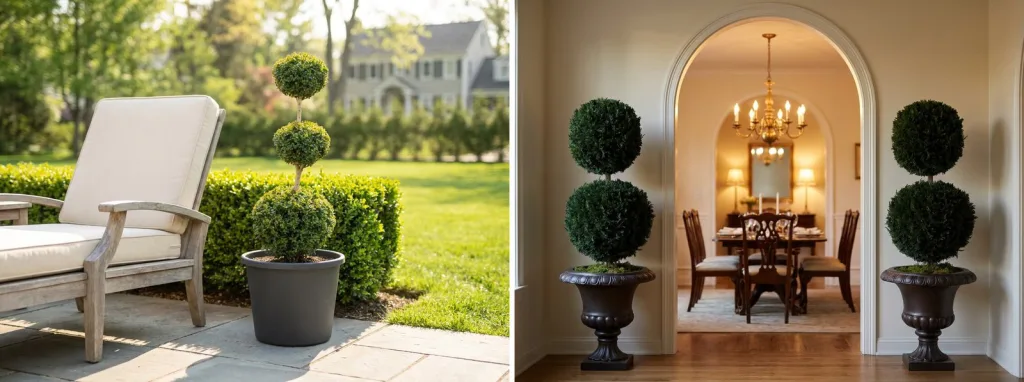
Two or three balls stacked on one stem look formal and a little grand. They suit tall doorways, stair landings and patios where a single ball would look lost.
Live doubles start at about 21 inches and live triples reach about 5 feet. For an indoor spot with no light, the preserved double and triple balls run from 30 inches to 6 feet.
4. Cone
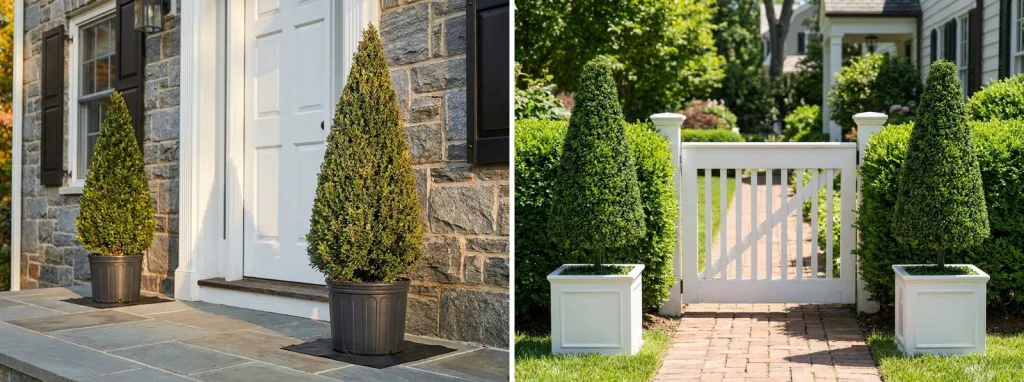
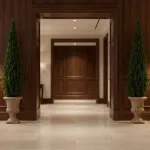
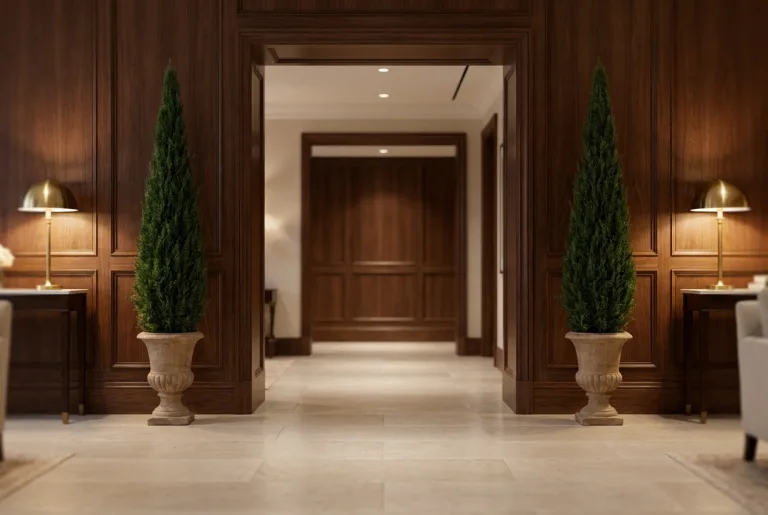
The cone is the classic entrance shape. It is wide at the base and narrow at the top, so it fits into corners and beside doors where people brush past. It is also easy to keep, because the sides are straight lines you can follow.
Shop live cone topiary from 15 inches to about 6 feet, or artificial cones up to 8 feet. More in why the cone is the easiest shape to keep.
5. Spiral
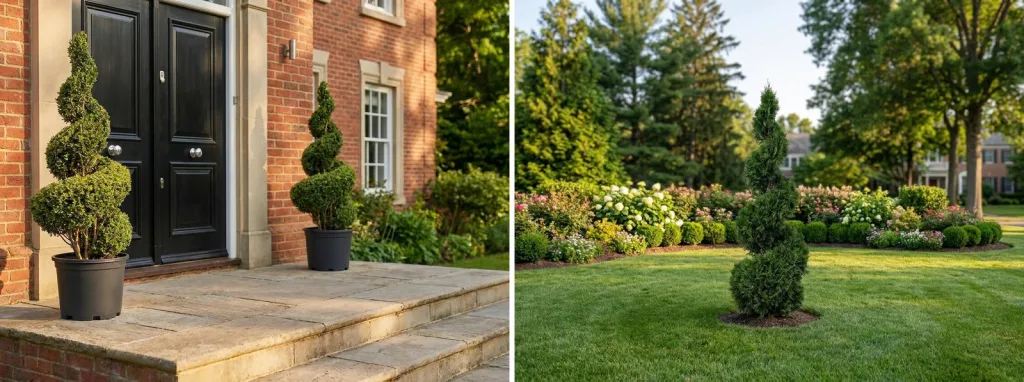
The spiral is the shape people stop and look at. A live one is cut into the plant over several years, so it costs more than a cone of the same height. It gets the same two cuts a year as any boxwood, but each cut takes longer: the gap first with hand shears, then the ridge.
Our live boxwood spirals run from 2 feet to 9 feet, and there is a 17 foot arborvitae spiral for big spaces. For a sunny door you do not want to trim, see the artificial spirals, 3 to 10 feet.
6. Pom pom (poodle)
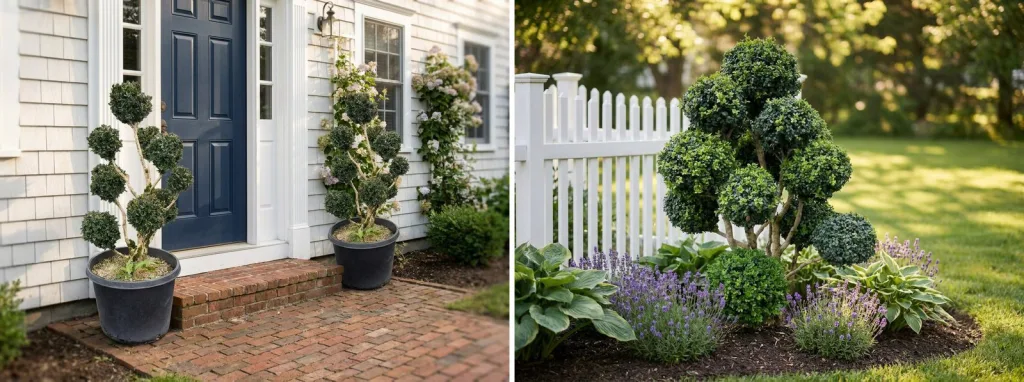
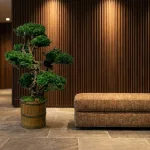
A pom pom has several clipped balls spaced along a bare trunk or branches. Some people call it a poodle, and the loose version is called a cloud. It looks playful but still tidy, and it is a good choice when a plain ball feels too serious.
Live pom pom topiary runs from about 3 feet to 12 feet. Read more in pom pom, cloud and poodle topiary.
7. Square (cube)
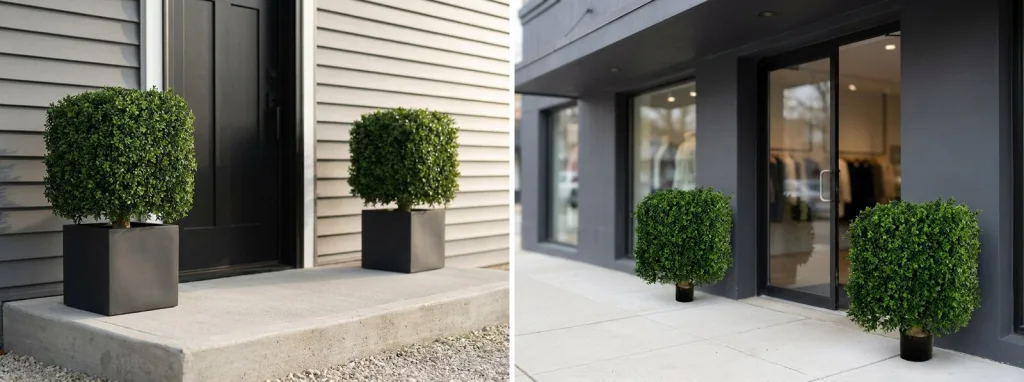
The square has sharp corners, so it matches modern houses, shop fronts and square planters. A live square takes careful trimming to keep the edges straight. That is why most square topiary is artificial.
Artificial boxwood squares run from about 16 to 25 inches. The outdoor range has a UV-resistant square for a sunny step, and the hedges and shapes range has the rest.
8. Hedge and screen
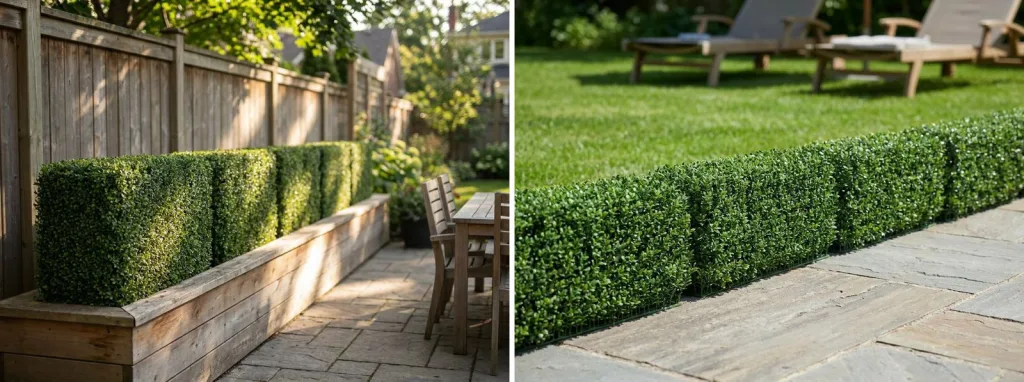
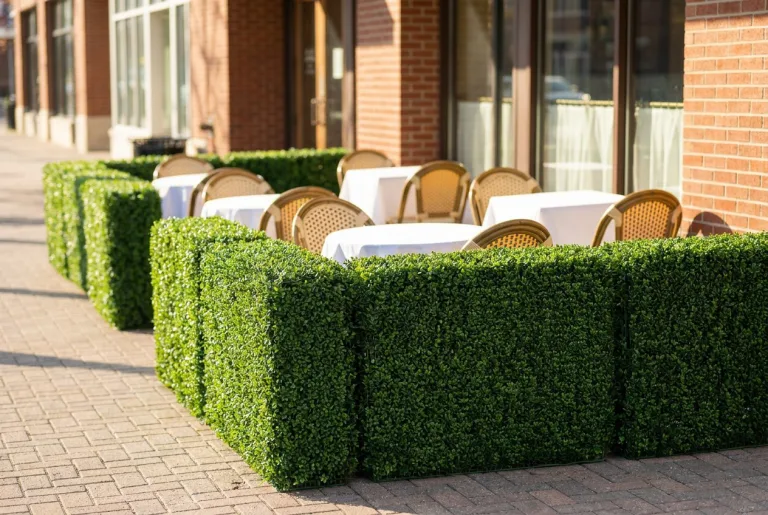
A hedge is topiary at the scale of a wall. A tall one hides a fence, an air conditioner or a neighbor’s window. A low one edges a path or a bed. Live hedges take years to fill in, while artificial panels give you the finished height the day they arrive.
See the hedges and shapes range, with pieces up to 8 feet, and artificial hedge panels and columns for how they go together.
9. Animal
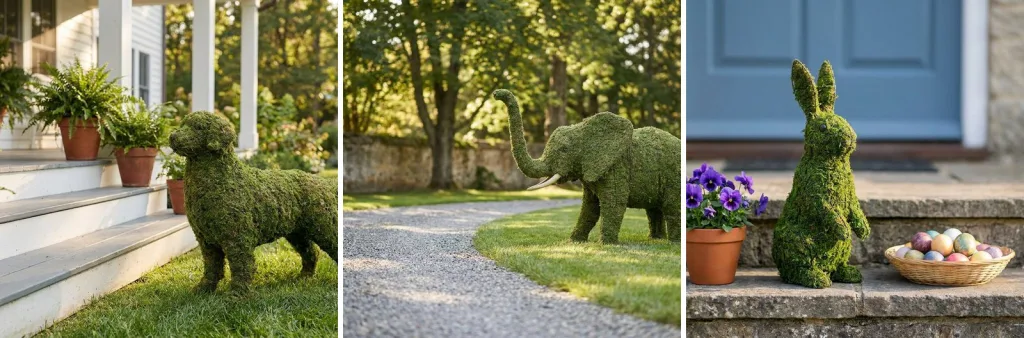
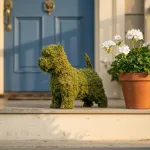
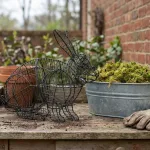
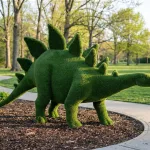
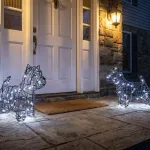
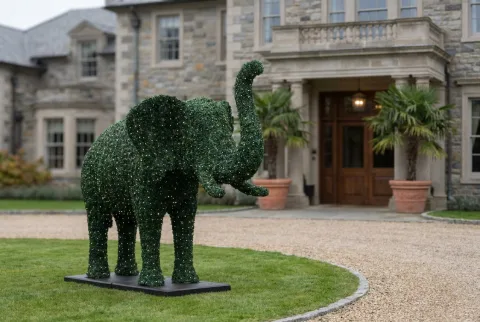
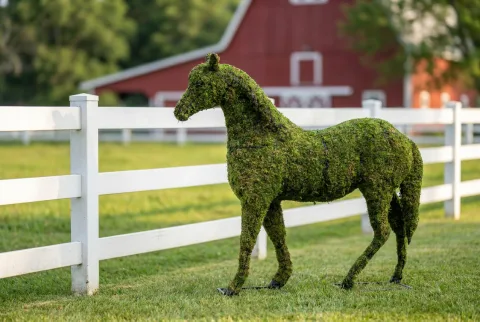
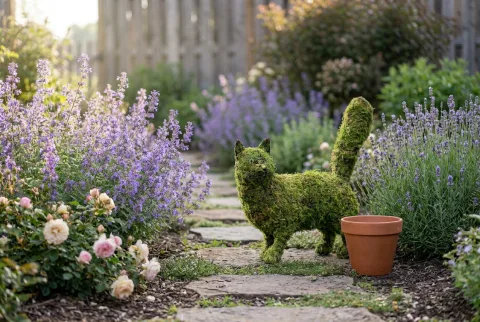
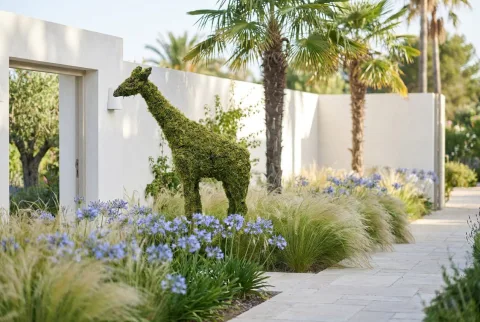
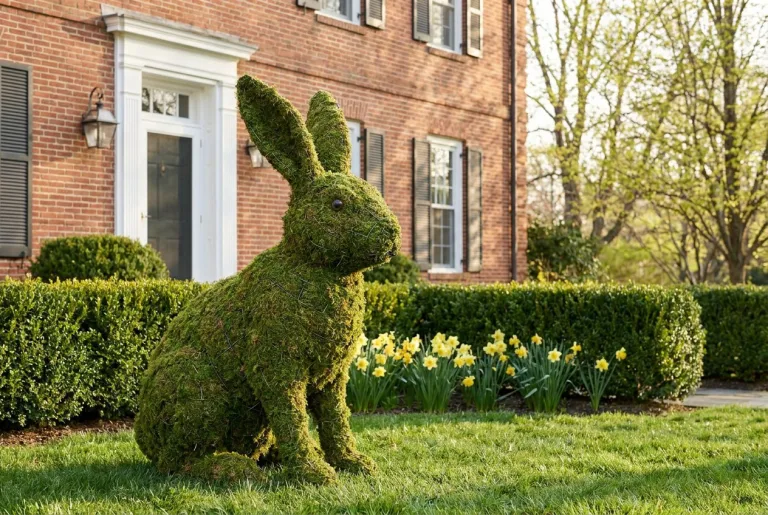
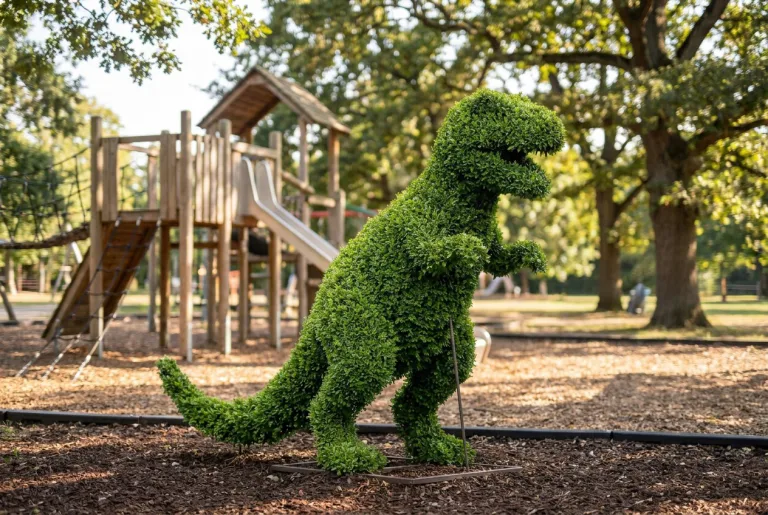
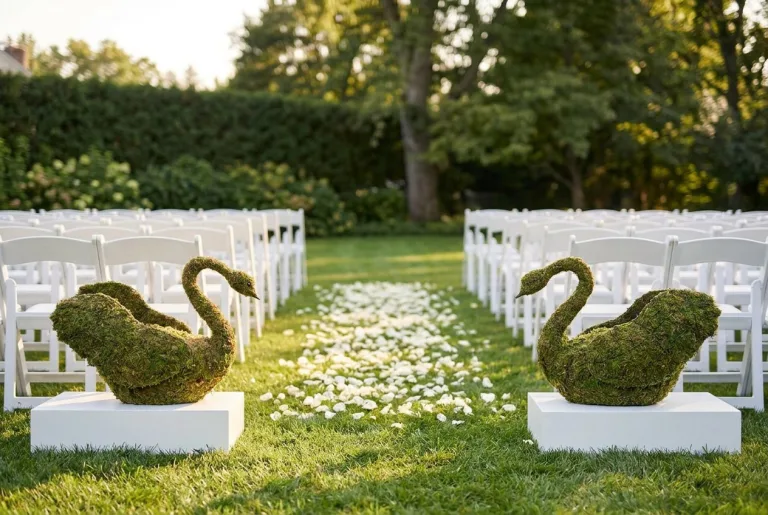
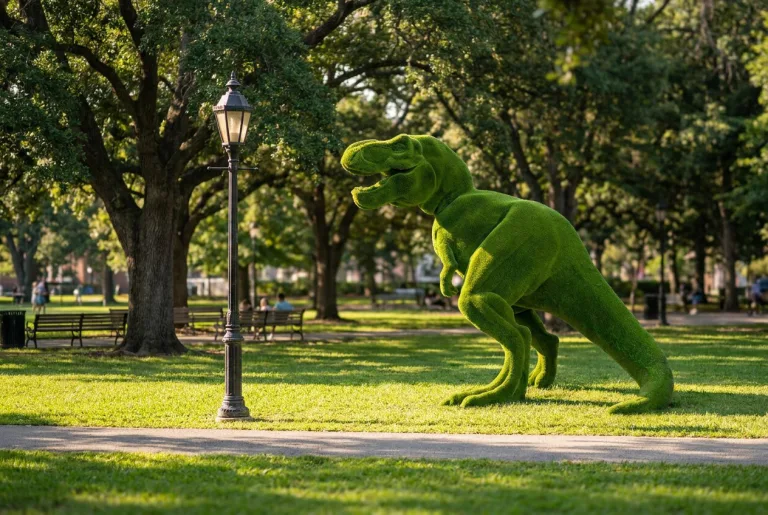
Animal topiary is the shape that makes people smile. Dogs, bunnies, elephants and dinosaurs are the most asked for. You can buy an animal as a wire frame to plant yourself, as a mossed piece ready to display, or with lights for the holidays.
Start with the animal collection. For a green animal with no planting, see mossed animal topiary. To grow your own, pick a wire animal frame.
10. Letters, hearts and custom forms
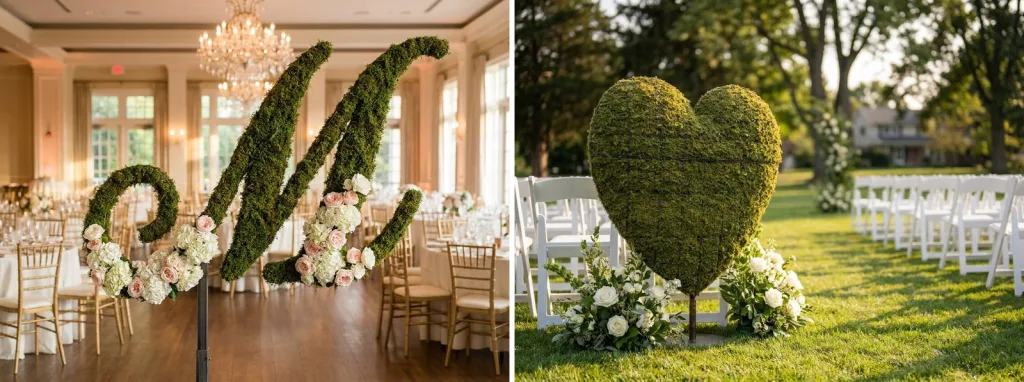
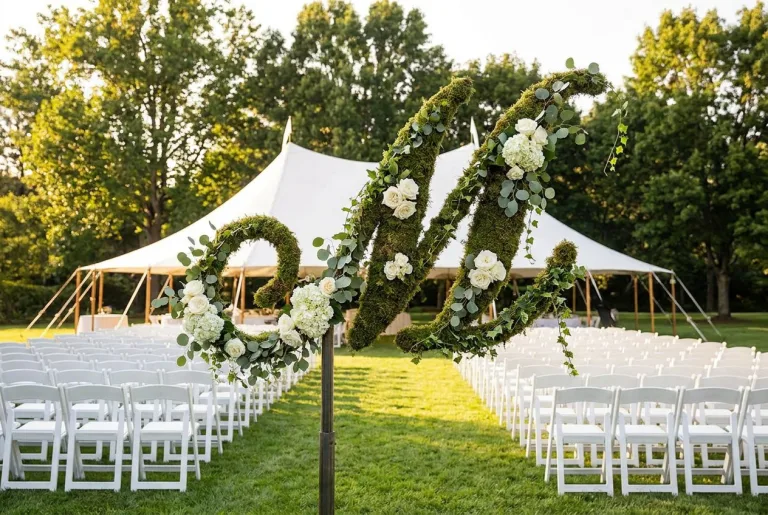
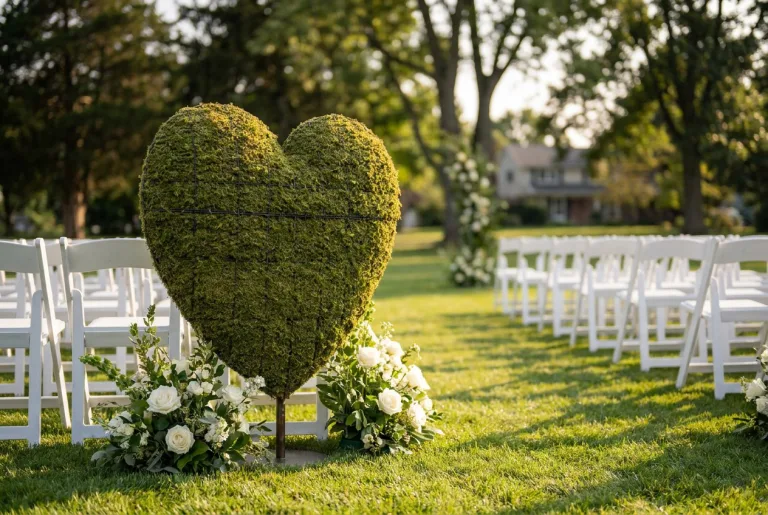
Letters and hearts are the event shapes. A couple’s initial at a wedding, a heart at an anniversary, a company logo in a lobby. The frame is packed with moss, and a florist can tuck fresh flowers into it on the day.
Our monogram letter frames stand about 6 to 7 feet tall on a rolling stand. For a logo or any other shape, see custom topiary and how a custom order works.
Which shapes are easiest to keep?
If you want a live topiary with little work, choose a ball or a cone. Every live boxwood needs two cuts a year, in late spring and late summer, but a ball or a cone forgives an uneven cut. On a spiral, a square or an animal, a small mistake shows from the street.
If you want no trimming at all, any of these shapes comes in artificial foliage, and UV-rated outdoor pieces handle full sun. To compare the three materials, read live, preserved or artificial. For the plants that hold these shapes best, see the best plants for topiary.
Quick answers
What is the most popular topiary shape?
The ball. It suits any house, it is the easiest to trim by eye, and it comes in the widest range of sizes, from a 6 inch tabletop ball to a 5 foot garden globe.
What is the simplest topiary shape for a beginner?
A cone or a ball. Both get two light cuts a year and hide small mistakes. Leave spirals and animals until you have kept one of these for a season.
Which topiary shape is best for a front door?
A matched pair of cones, spirals or balls on stems. They are tall and narrow, so they frame the door without blocking the step. See topiary for a front door for sizes.