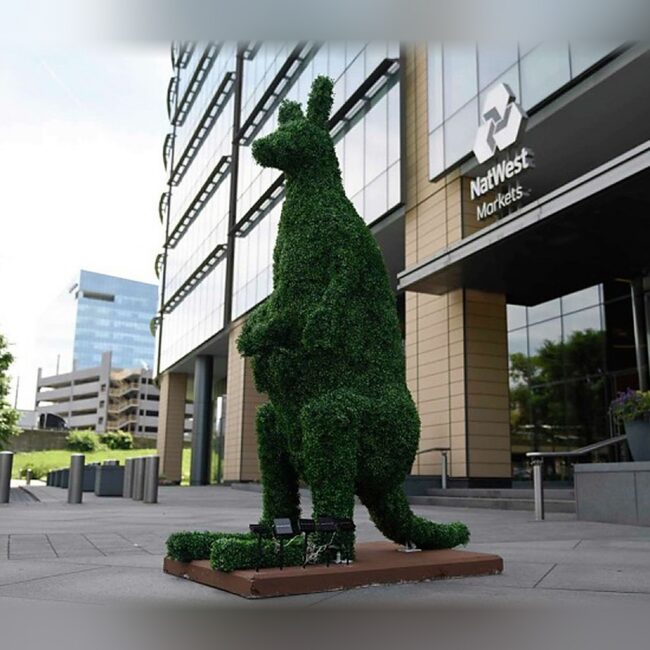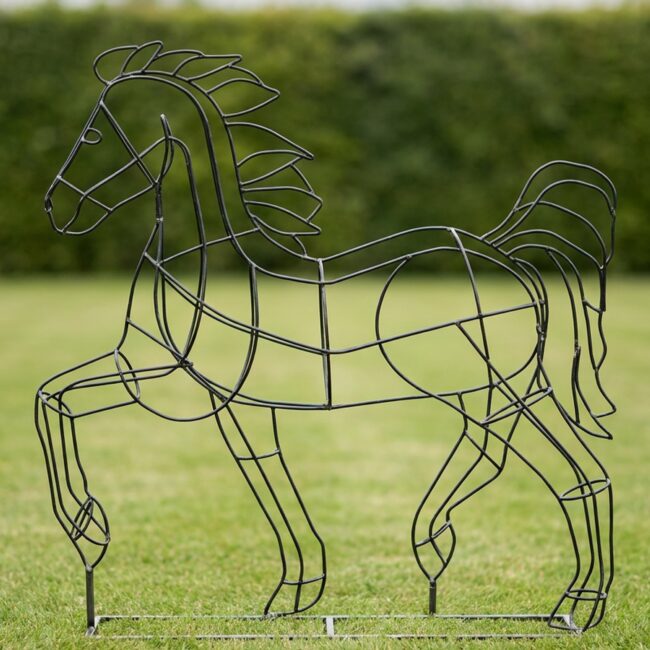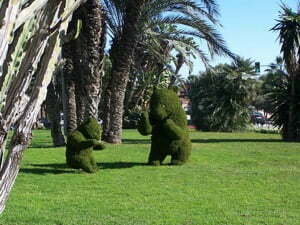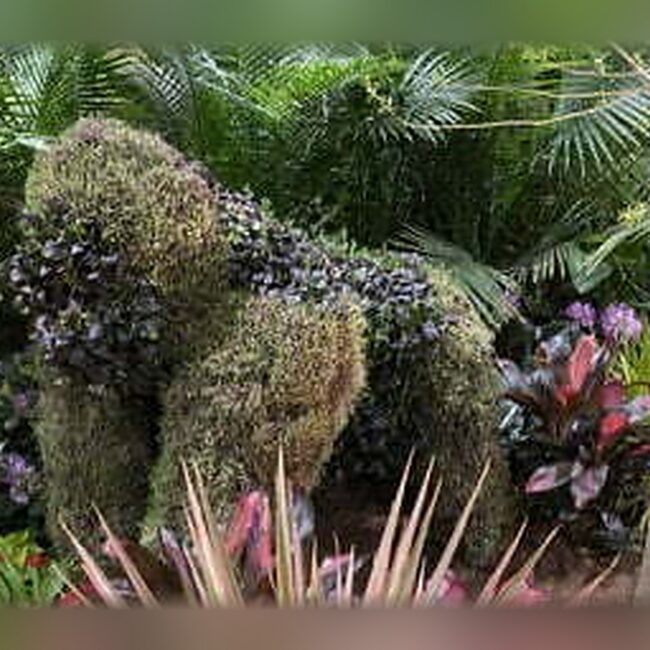
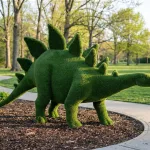

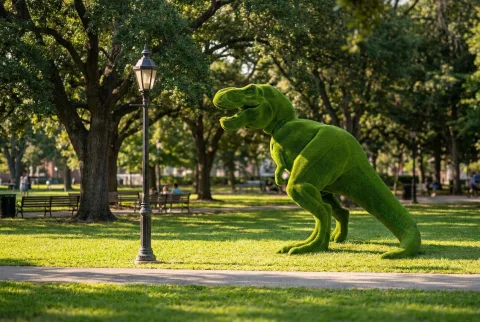
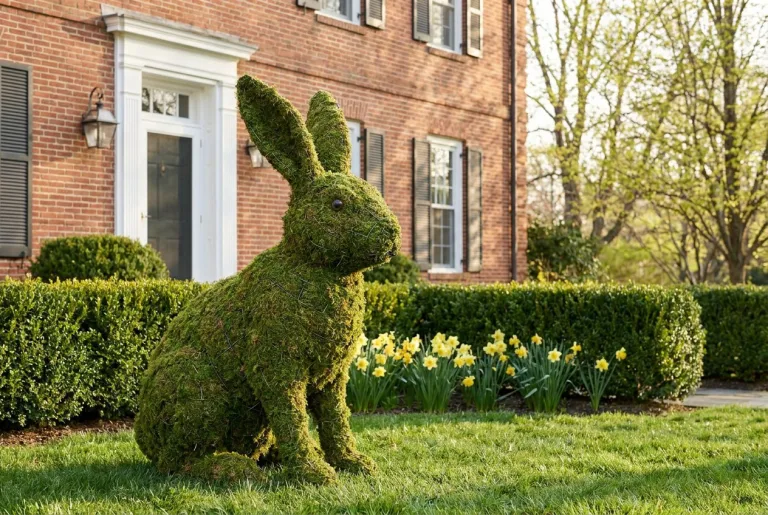
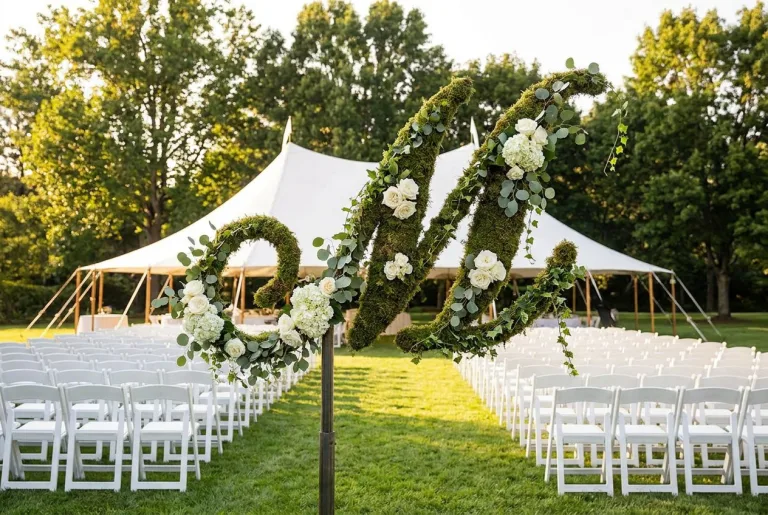
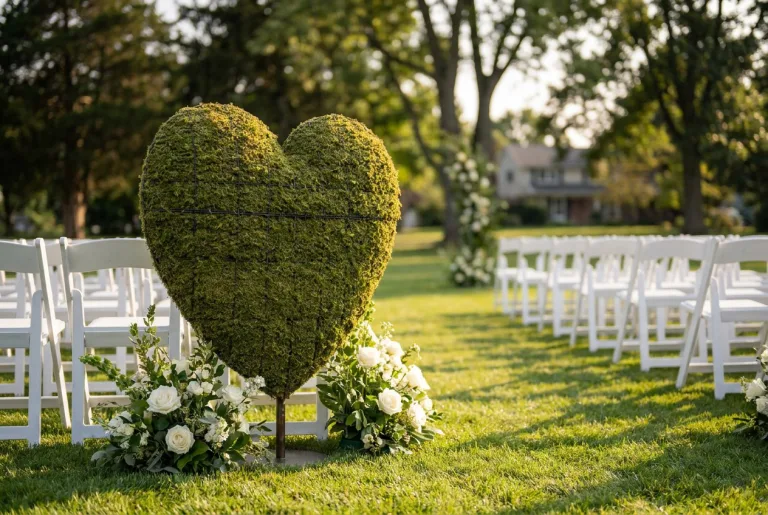
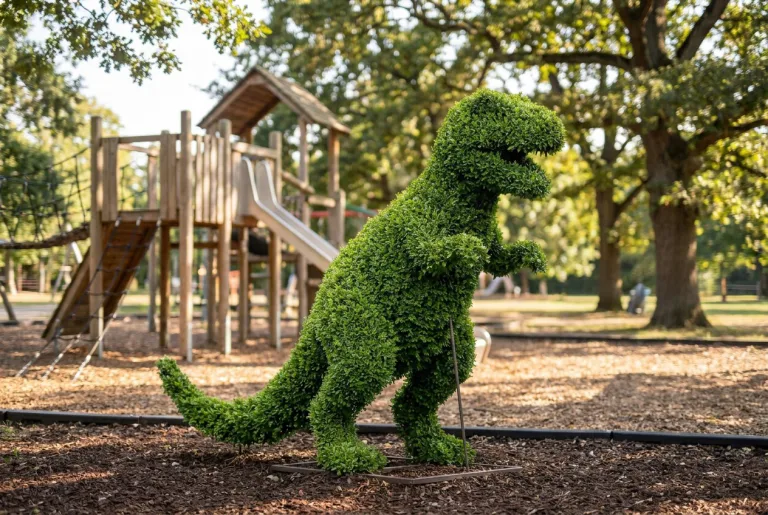
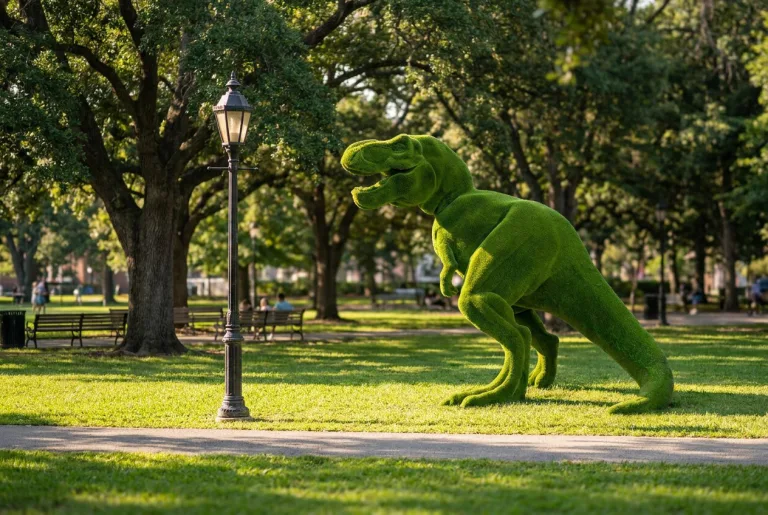

A 16-foot T-Rex topiary is a landmark before it is a plant. The photographs show one installed on a downtown corner in Stamford, Connecticut, standing well clear of the cars and shopfronts behind it, and another out on open lawn.
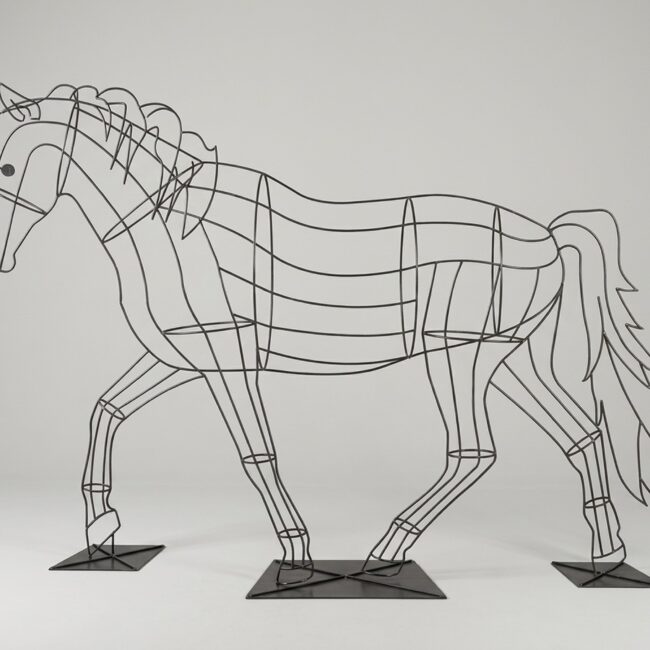
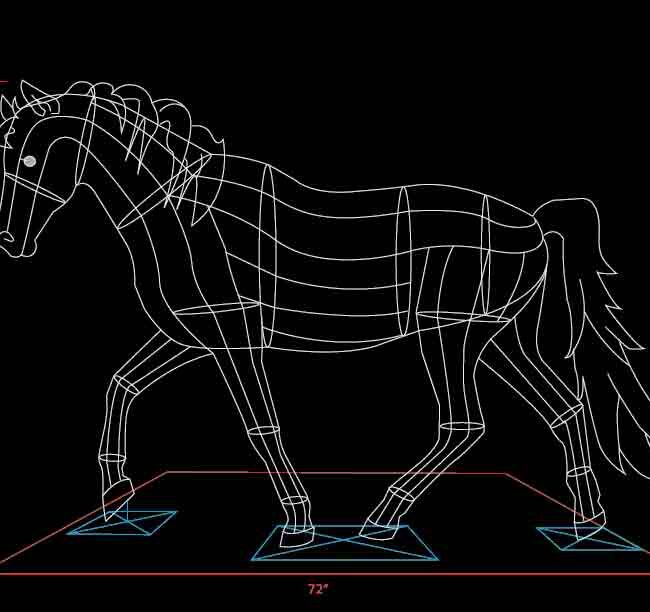
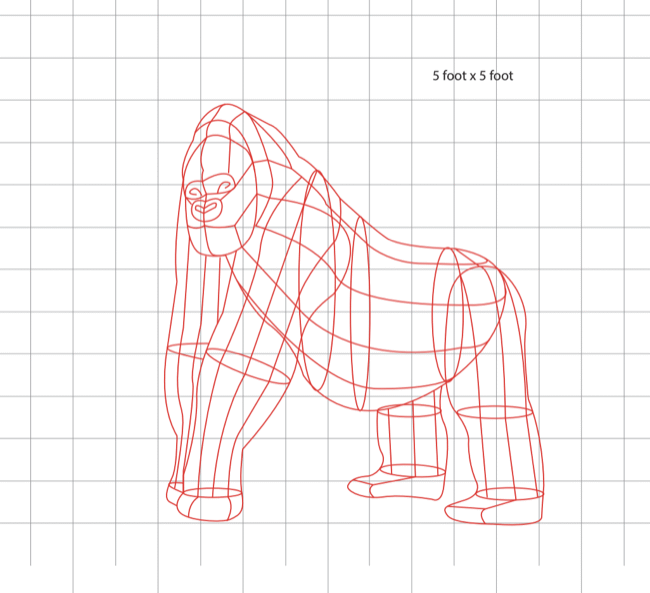
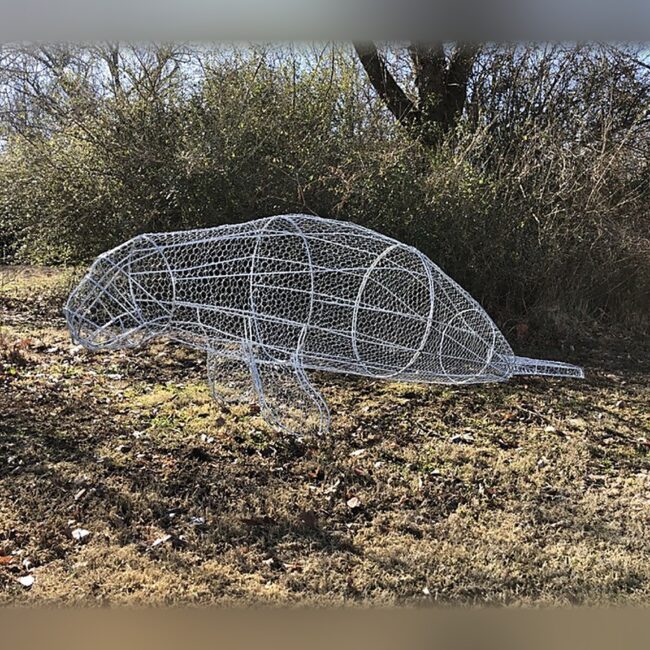
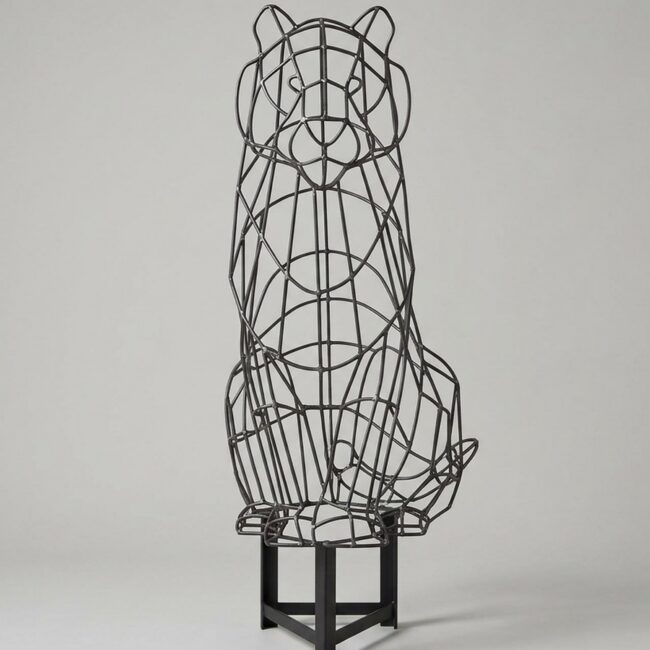
A dinosaur at this scale starts as a drawing. The CAD sheet here sets out the internal armature: a steel frame that carries the head and the tail, a marked break point so the body travels in sections, and a base pad for bolting or cement footing once it is on site. Foliage is settled at the quote stage, either sphagnum moss or outdoor boxwood.
Ground comes before shape. Something this tall wants a level, anchored footing rather than a lawn spike, and enough room for people to walk around the tail. Parks, plazas, restaurant frontages and museum entrances are where these end up.
Upkeep follows the surface you pick. Moss wants misting through dry spells and refreshing each year. Send us the height, the site and the date you need it and we will quote the build.
The Stamford piece in the photographs stands outside Blackstones Steakhouse: one of the sixteen animals we built for the HedgeFun trail through the city’s downtown. How that installation was designed, anchored and lit is its own story.
T-Rex is one of a family. There is a five-foot T-Rex for parks and playgrounds, a stegosaurus and a triceratops, and the wider set of grass and moss dinosaurs: from under five feet to eighteen, lives in turf topiary. If what you have seen is the small T-Rex that home-goods stores carry in season, this page is the other end of that idea: a steel-framed dinosaur built to order for a specific site.