Giraffe topiary

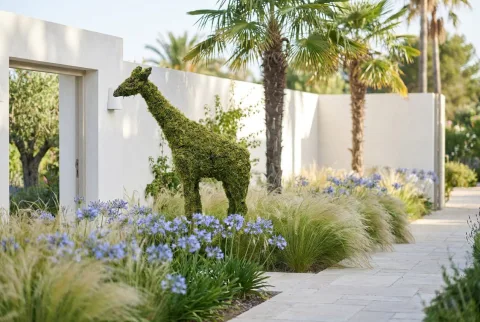
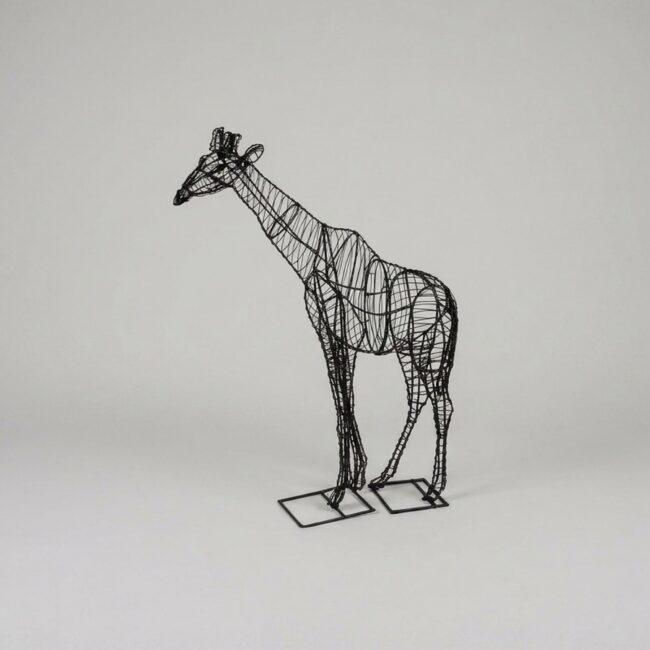
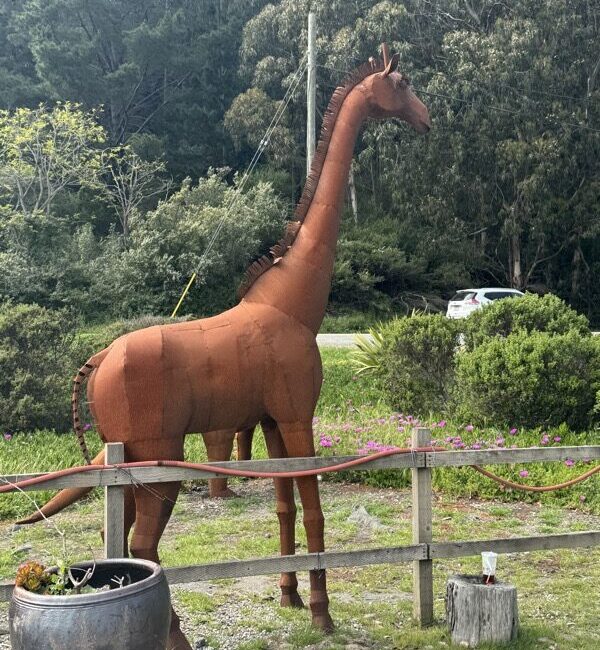
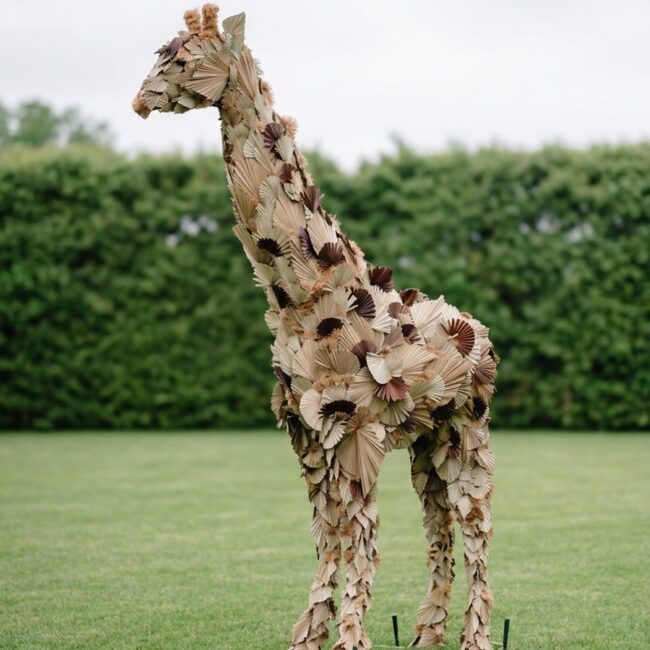
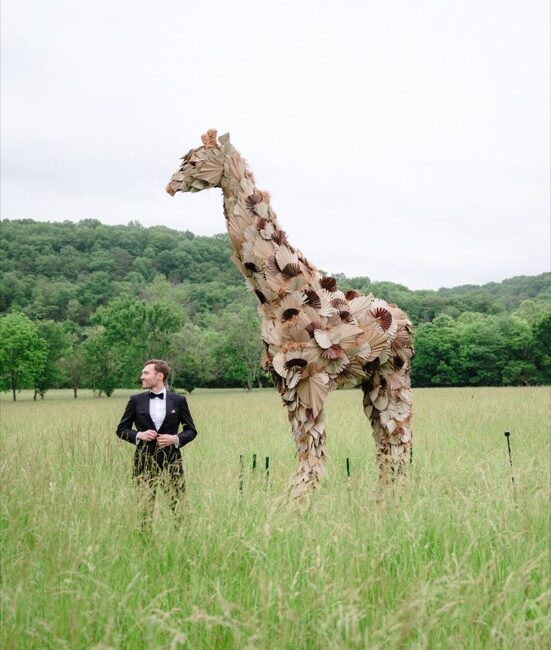
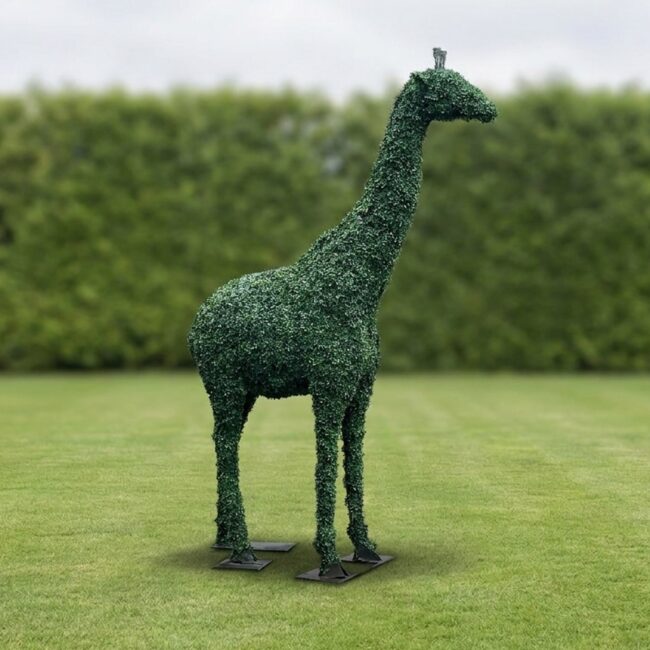
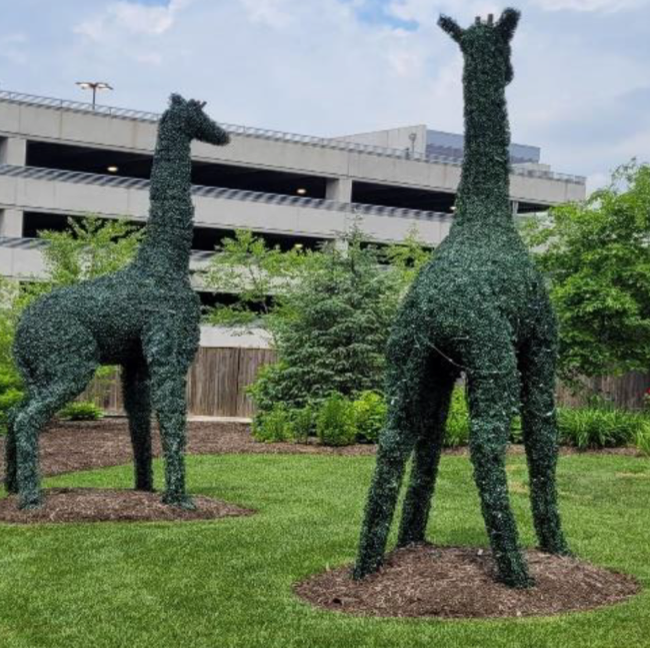
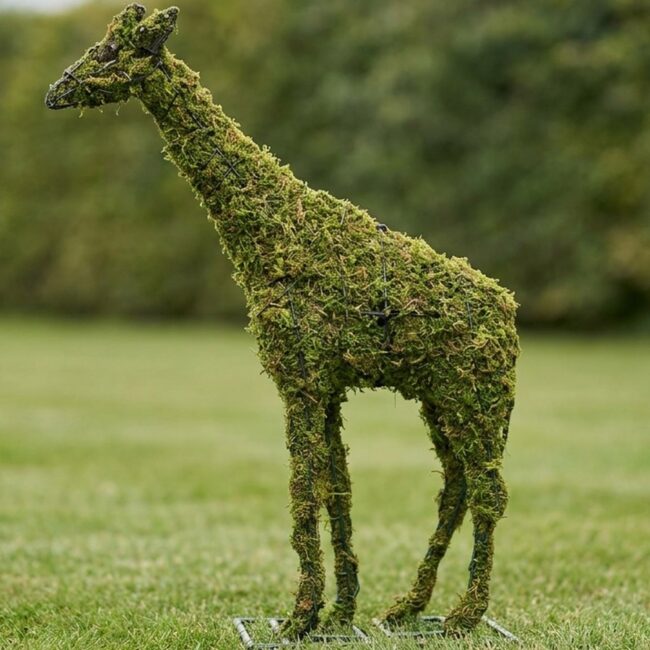
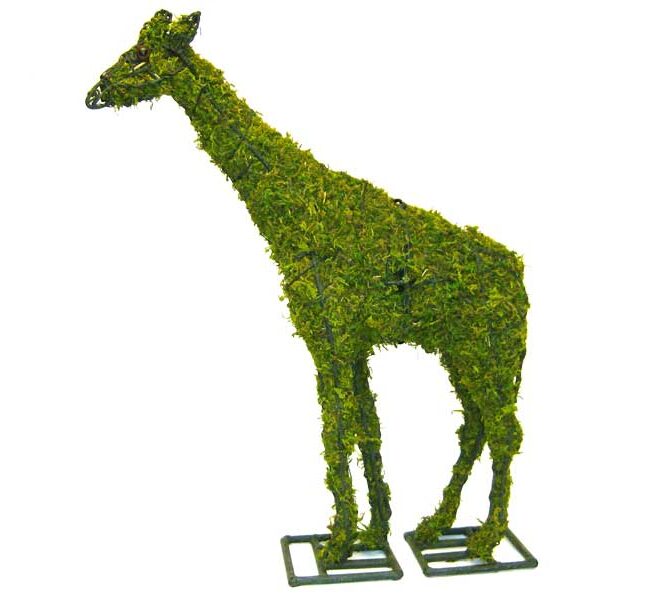
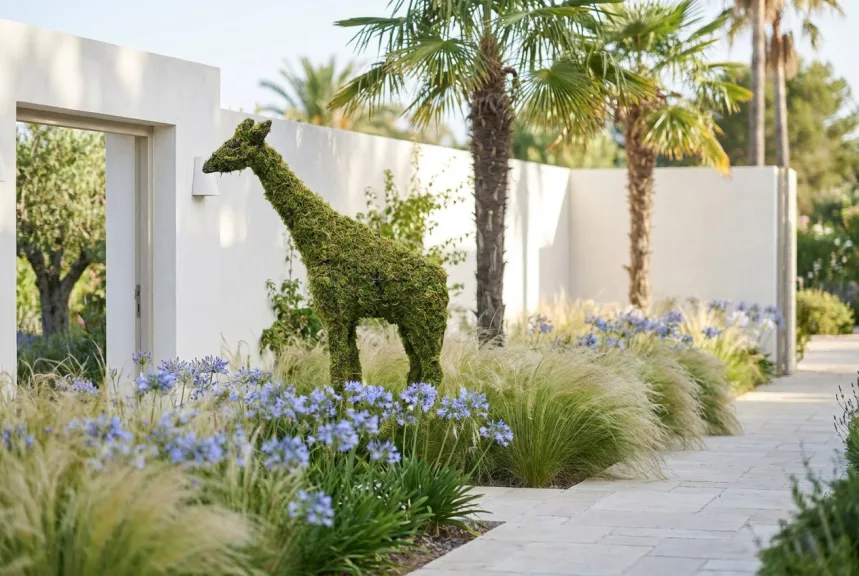
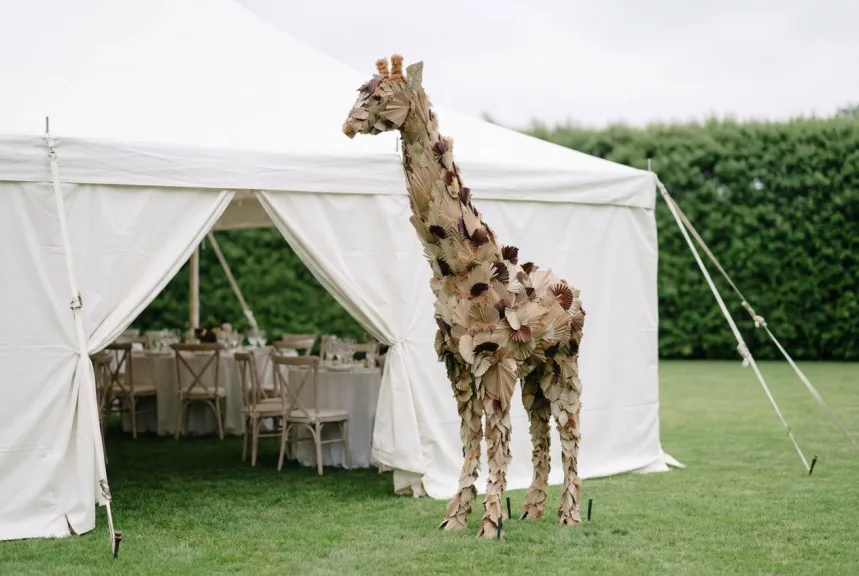
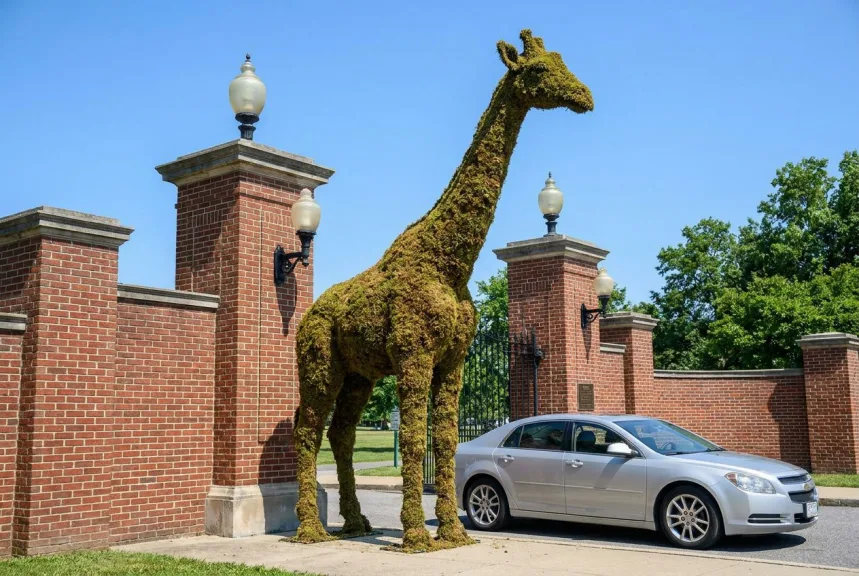
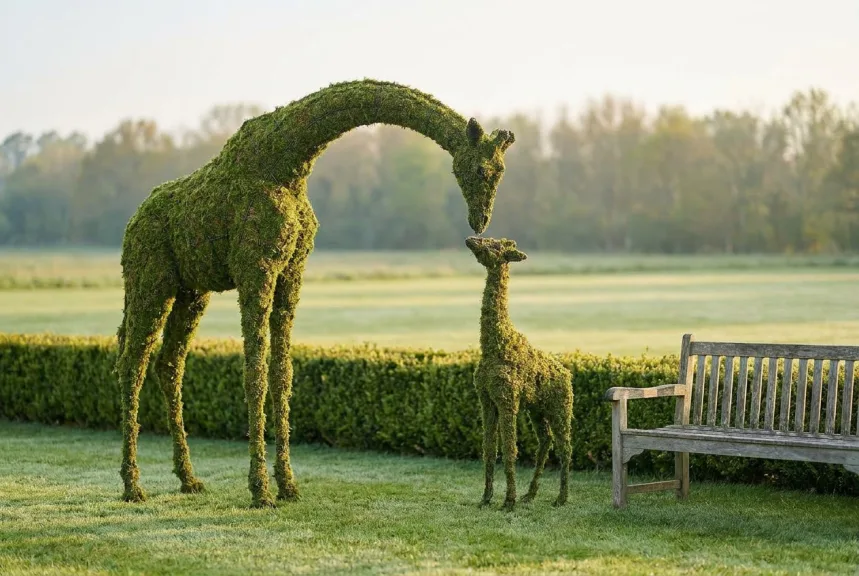
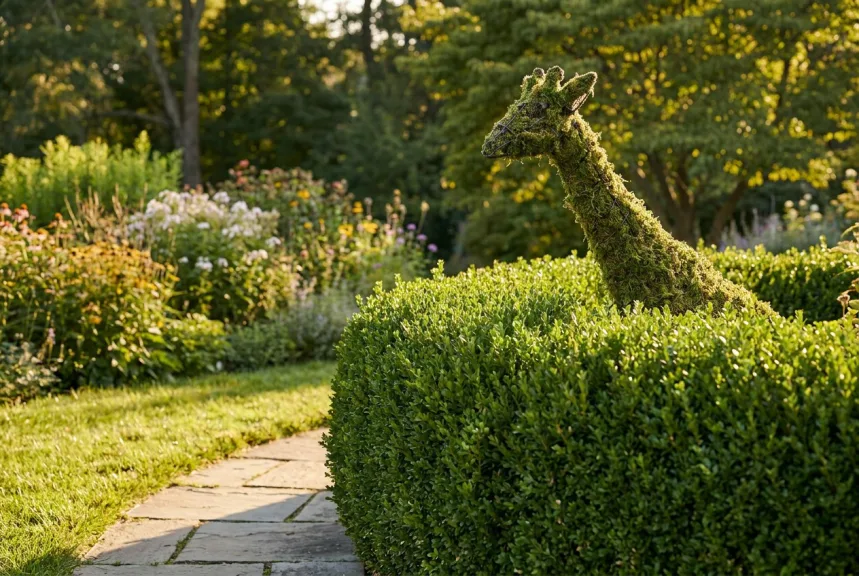
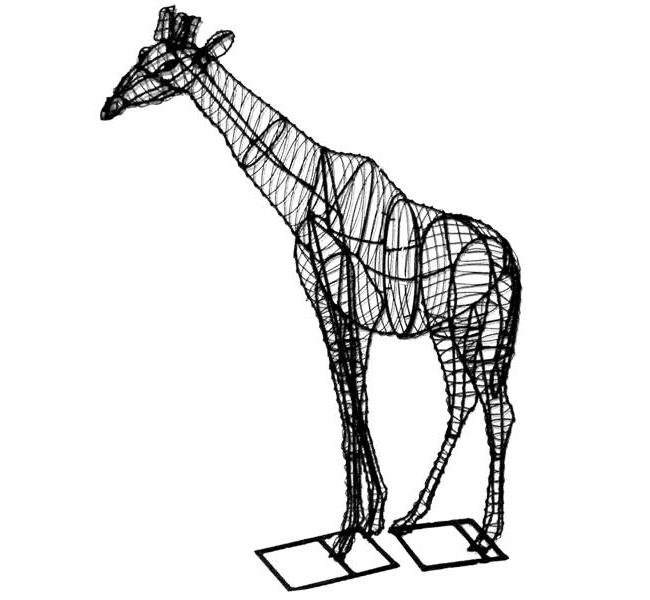
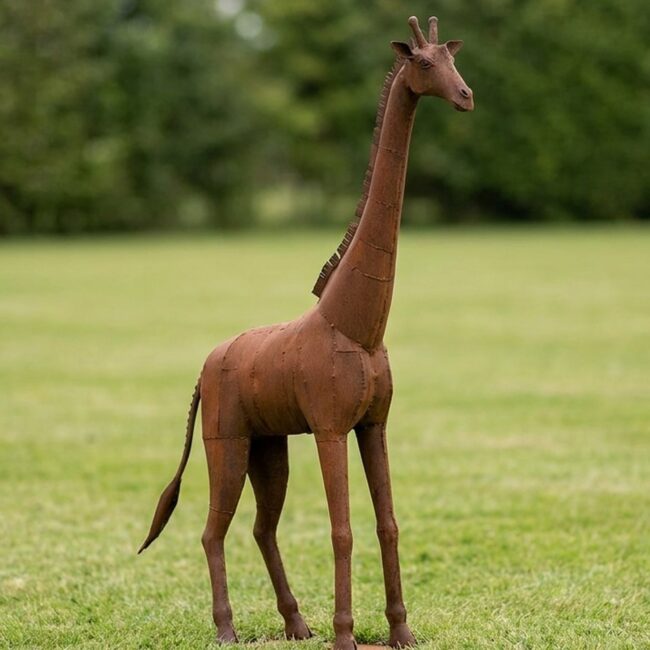
A giraffe topiary is almost all vertical — a tall neck over a small body — which makes it a structural piece before it is a decorative one. Built on welded, galvanized steel and finished in moss or outdoor foliage, it is a zoo, park and hotel-entrance animal, usually built tall enough to be seen over a hedge or a car.

See the giraffe pieces
Made in our own workshopWelded, galvanized and covered here — not drop-shipped.
Ships across US & CanadaSmall pieces by UPS, large ones by freight with delivery quoted.
Built to outlast the foliageGalvanized steel under everything, including the welds.
4–10 weeks for a commissionReady-made pieces leave sooner; we tell you which before you pay.

A giraffe is a wind problem before it is a sculpture.

Almost all of a giraffe’s mass sits at the top of a long, narrow neck, which makes it the piece most affected by wind loading of anything we build. The internal steel tubing that runs through everything over six feet is not a refinement on a giraffe — it is the piece, and the outer cage is shape hung on it.

It also has to be bolted down or set into a footing rather than spiked into a lawn. A giraffe that reads well from the road is usually tall enough that anchoring is a site question we work out with you before it is built, not after it arrives.

Anchoring and installation are quoted with the piece — see topiary sculpture for cities and public art.

What it needs once it is standing.

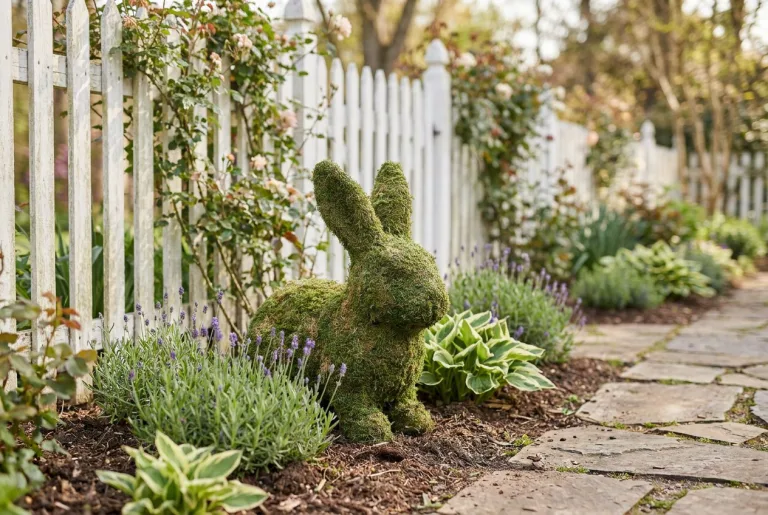
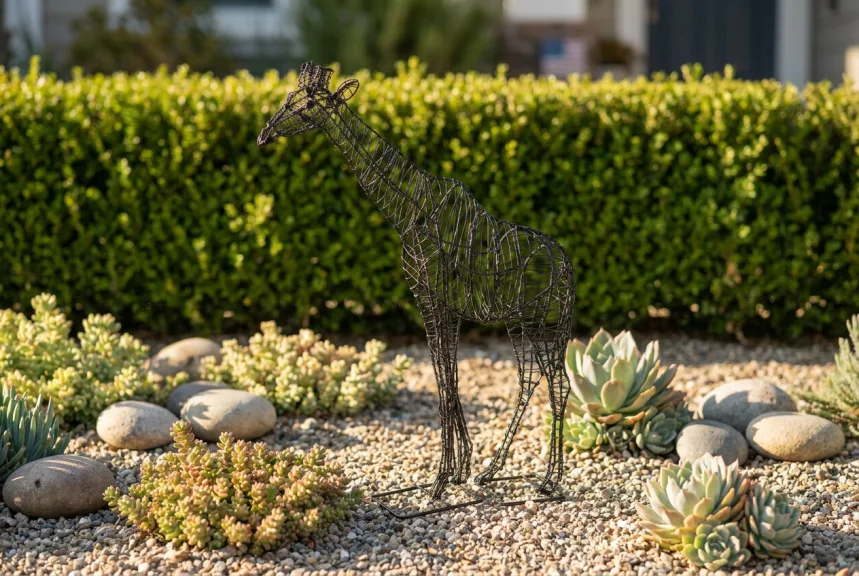
A mossed piece wants misting through dry spells and a refresh of the moss every year or so. A bare frame wants nothing at all until you decide to plant it. Turf and artificial pieces want an occasional rinse and no more — no watering, no trimming, no seasonal work.

The steel underneath is the part that decides how long the piece lasts, and galvanized steel outdoors is measured in decades rather than seasons.

Full instructions by material are on our care pages; if a piece has gone tired, this eight-year-old swan shows what a restoration looks like.

In the workshop

Steel first, then green.

Three of the six stages every piece goes through. The frame is the sculpture; everything after it is surface.
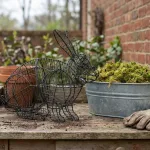
  1. The same rabbit as a bare welded steel wire armature, weld points marked02Steel rod, bent and weldedSteel rod bent by hand and welded into a cage that carries the pose. Anything over six feet also gets steel tubing run inside it.
  2. The rabbit frame lowered on a hook into a bath of molten zinc for hot-dip galvanizing03Galvanized, welds includedGalvanized over every surface including the welds — which is exactly where outdoor steel fails first.
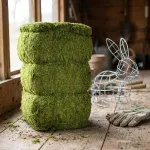
  3. Hands packing long-fibre sphagnum moss into the rabbit frame, half filled04Sphagnum packed by handLong-fibre sphagnum packed into the cage by hand and bound down, so the piece is green the day it arrives.

The full sequence — drawing, welding, galvanizing, mossing, planting and installation — is set out step by step in how a topiary form is made.

Before you order

Giraffe topiary questions, answered.

How tall are they?

A giraffe only works at height — a short one reads as something else. Ours are built tall enough to clear whatever is around them, which is a site question we work out with you.

How is the neck supported?

Internal steel tubing runs the length of anything over six feet. On a giraffe that tubing is the piece; the outer cage is shape.

Does it need a footing?

Yes. A tall, narrow animal has to be bolted down or set into a footing rather than spiked, because of wind loading on the neck.

What finish outdoors?

Moss where the piece is sheltered and someone will mist it. For an exposed site with nobody maintaining it, we build the same giraffe in artificial outdoor foliage to commission.

Can you deliver and install?

Across the US and Canada, yes, and a giraffe is normally a piece we install rather than ship loose.

Something bigger?

Tell us the animal and the size.

Send a photograph or a sketch with the height you need and where it will stand. We come back with a design, a price and a delivery date — then build it in our own workshop.

Start a commission

or call 866·306·1020