















Preserved 1x, or 2x, or 3x Ball Topiary
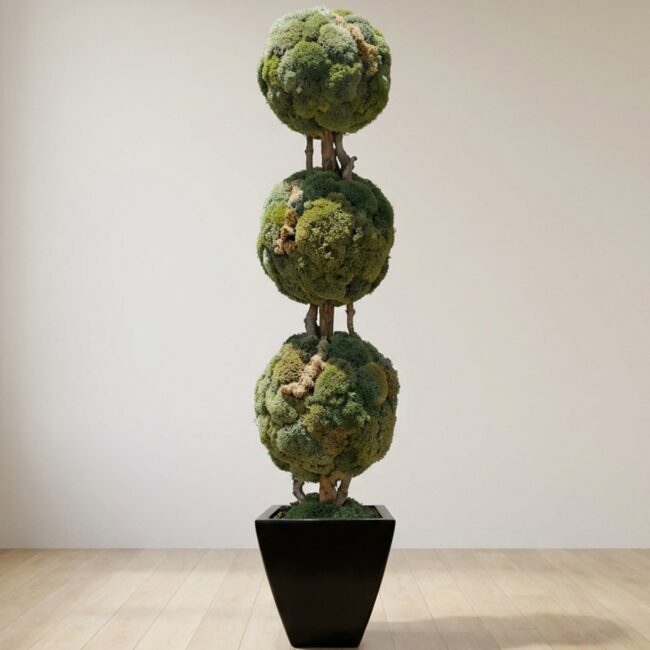
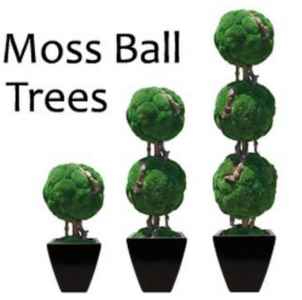
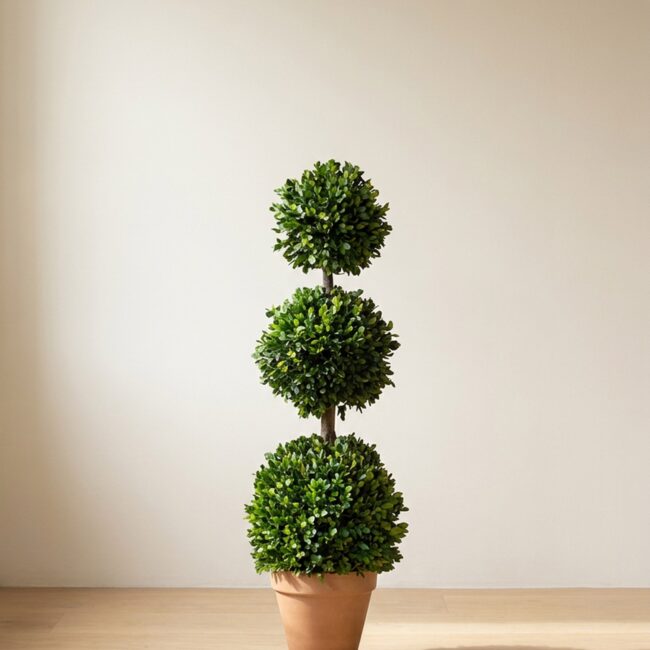
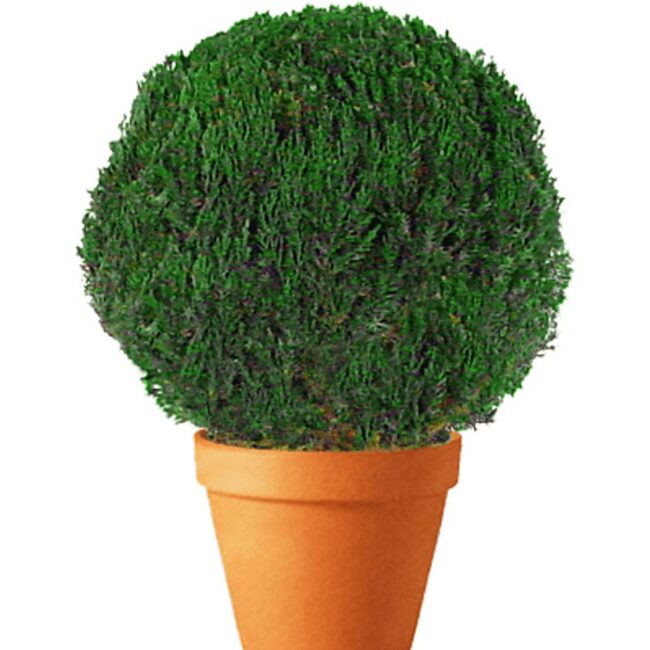
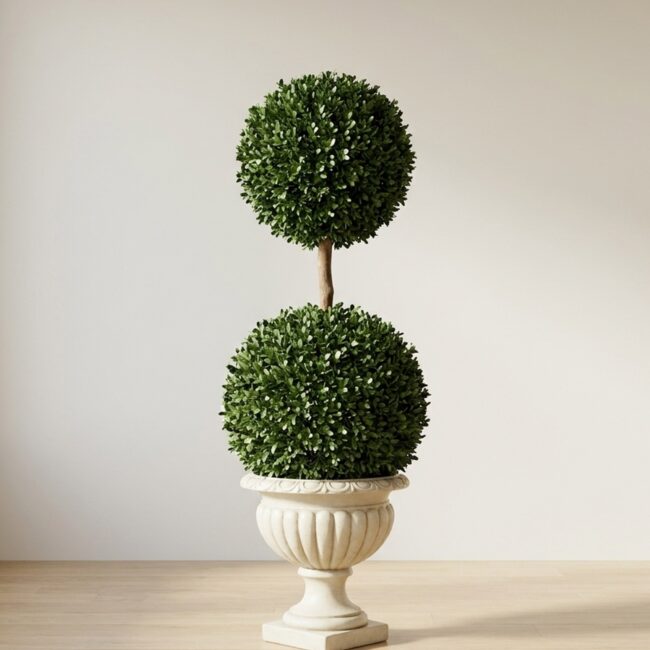
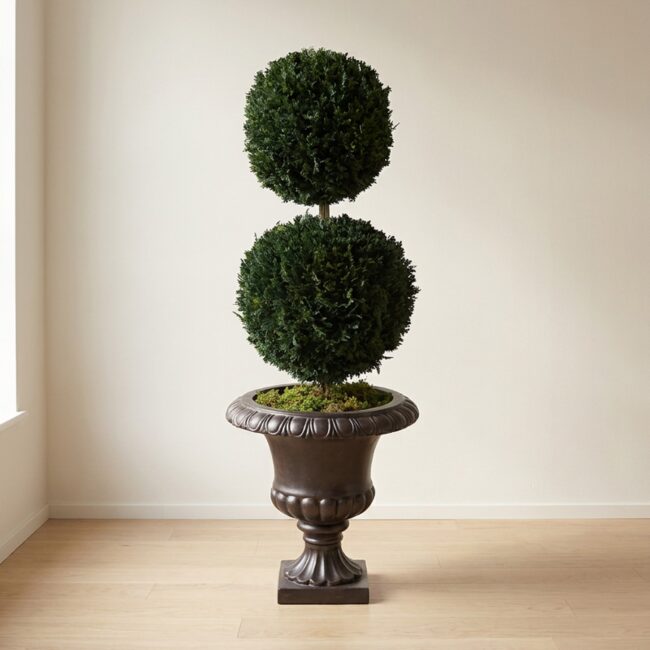
Preserved ball topiary stacks one, two or three spheres of real boxwood or juniper on a natural trunk. A single ball suits a console or a narrow corner. A double or triple ball gives a lobby or a hallway more height. The foliage is preserved, so it needs no water or light. Keep it indoors, away from direct sun and humid rooms.

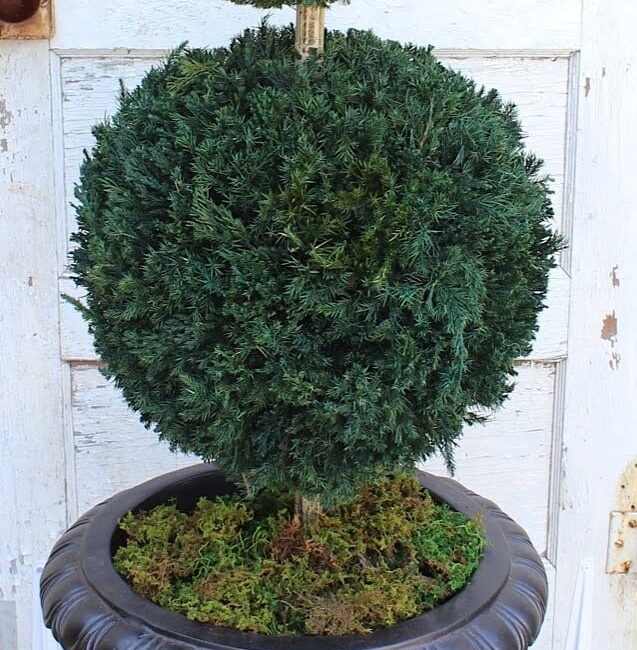
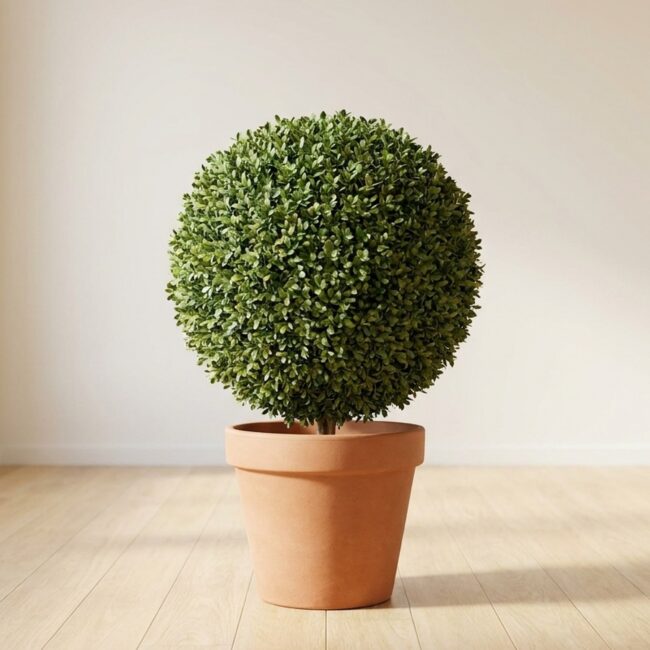
Boxwood Ball Topiary, Preserved, 36 in
$3,750.00delivery quoted separately
In stock, ships by freight
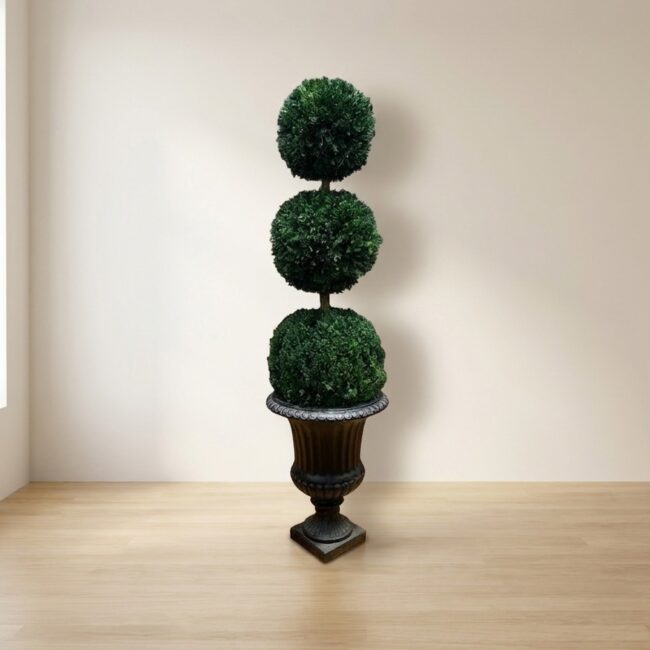
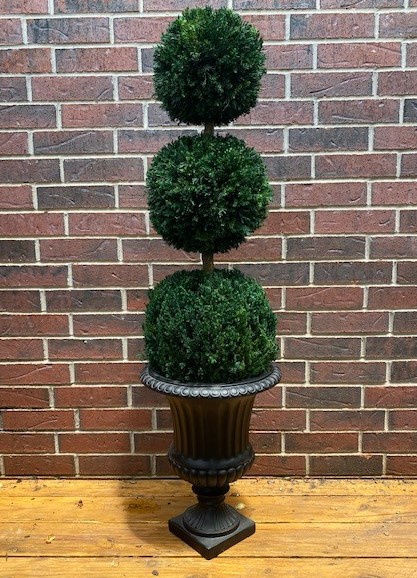
Triple Ball Topiary, Preserved, 72 in
$1,350.00delivery quoted separately
In stock, ships by freight
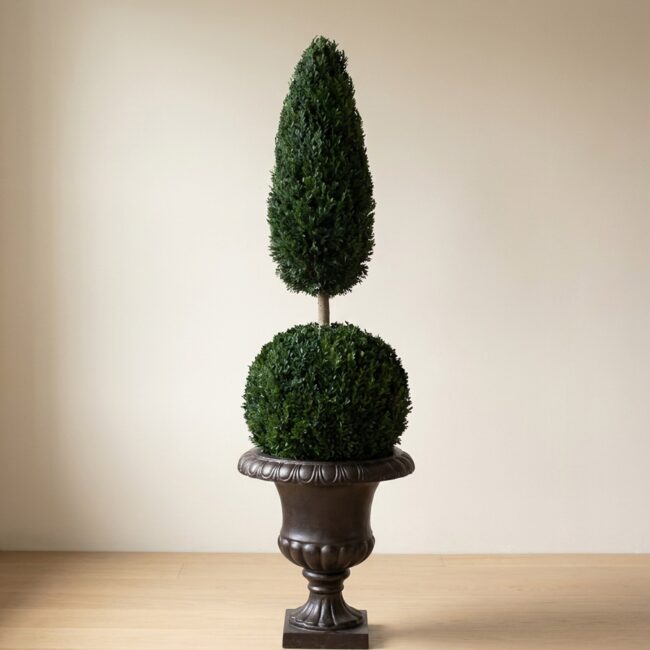
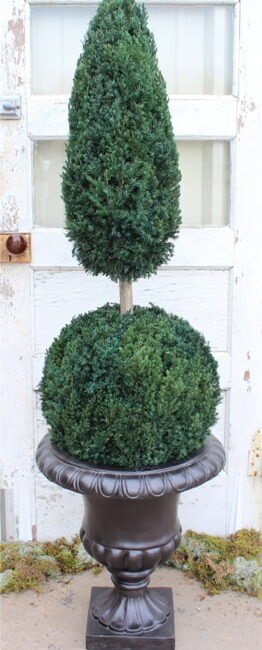
Juniper Ball Cone Topiary, Preserved, 45–50 in
$799.00delivery quoted separately
In stock, ships by freight
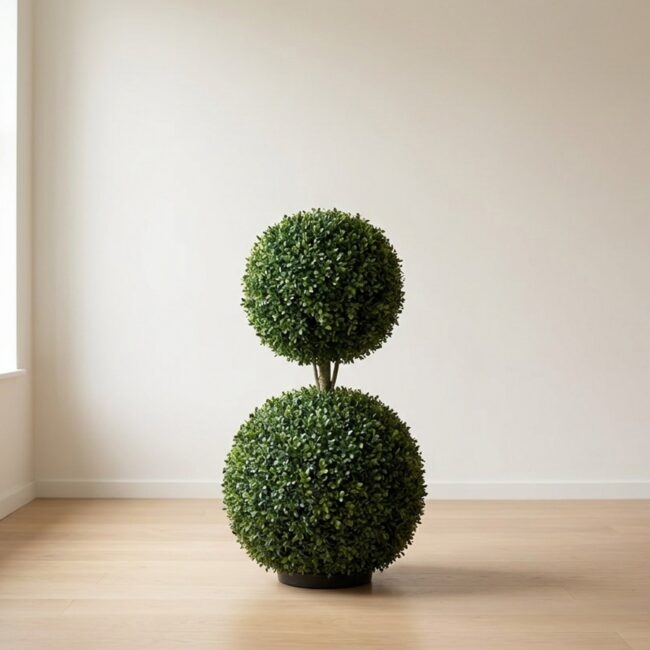

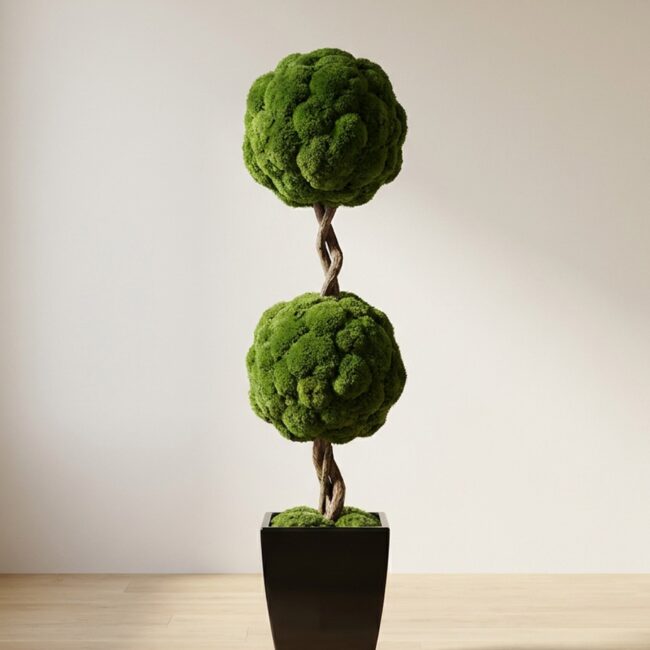

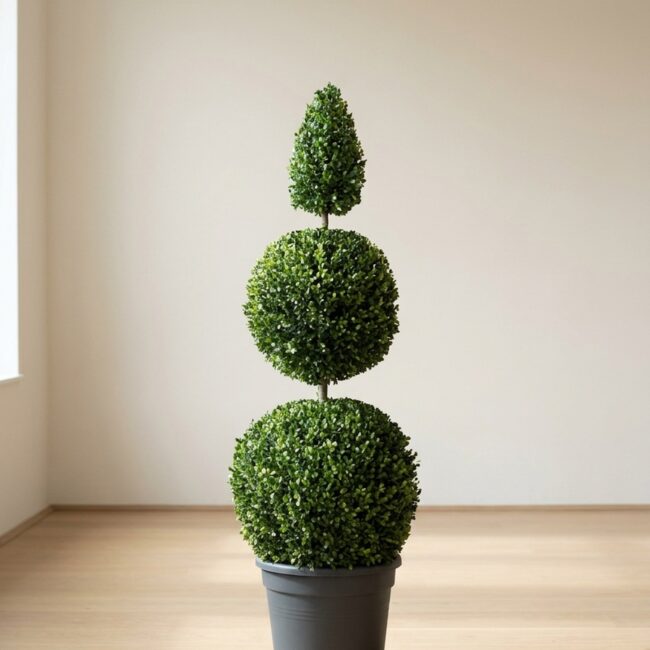
Boxwood Double Ball & Cone Topiary, Preserved, 60–72 in
Price range: $1,350.00 through $1,450.00delivery quoted separately
In stock, ships by freight
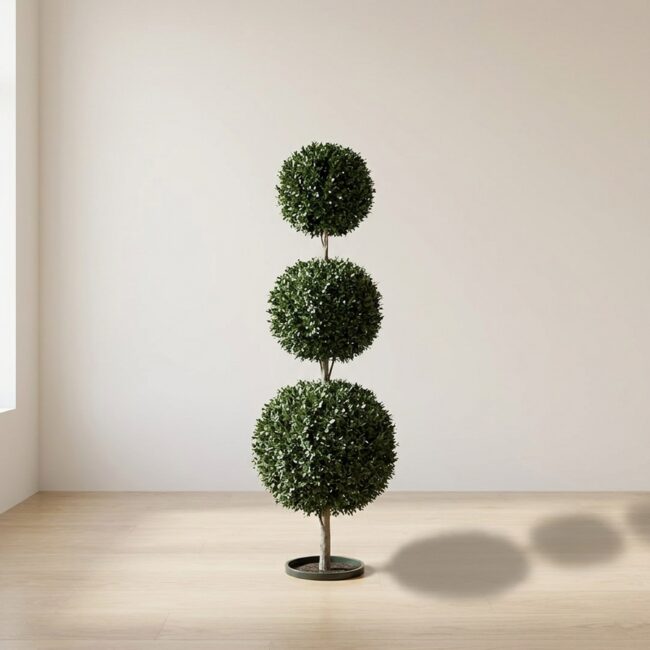
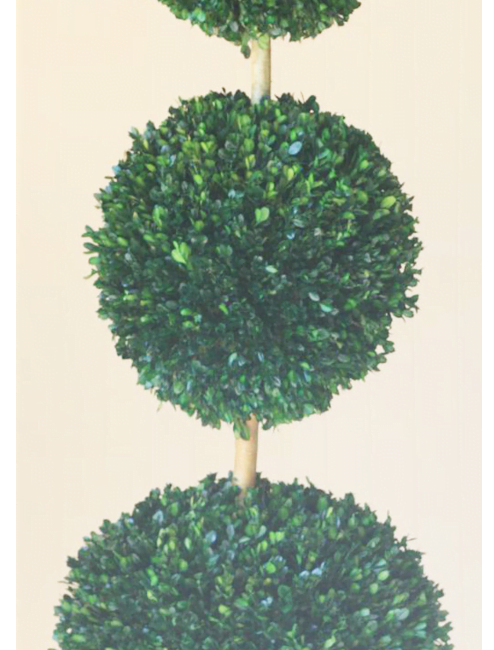
Boxwood Triple Ball Topiary, Preserved, 60 in
$1,350.00delivery quoted separately
In stock, ships by freight
Need a size or shape you don’t see?
Tell us the space and the height. We will suggest pieces and quote them with delivery to your ZIP.
Why choose preserved ball topiary
Ball topiary is the most formal shape in topiary, and preserved foliage keeps it that way without a single trim. A preserved ball does not grow, so a matched pair stays matched for years. What you are really choosing is how many balls, which foliage and where the piece will stand. Each row below takes one of those questions.
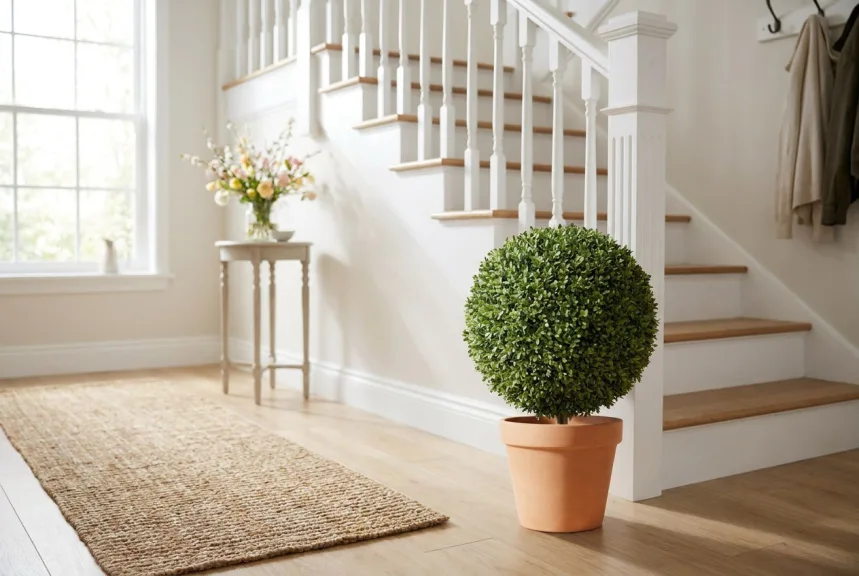
A single preserved boxwood ball
A single ball is the calm choice. Boxwood gives it a tight, even surface that looks clipped from every side, and it suits a front hall, a landing or the end of a sofa.
Size it to the space around it. A larger ball needs floor room, while a smaller one can sit on a low bench or a wide sideboard. Preserved boxwood is for indoors only, so keep it off an open porch even in summer. Tell us the spot and we will suggest a size.
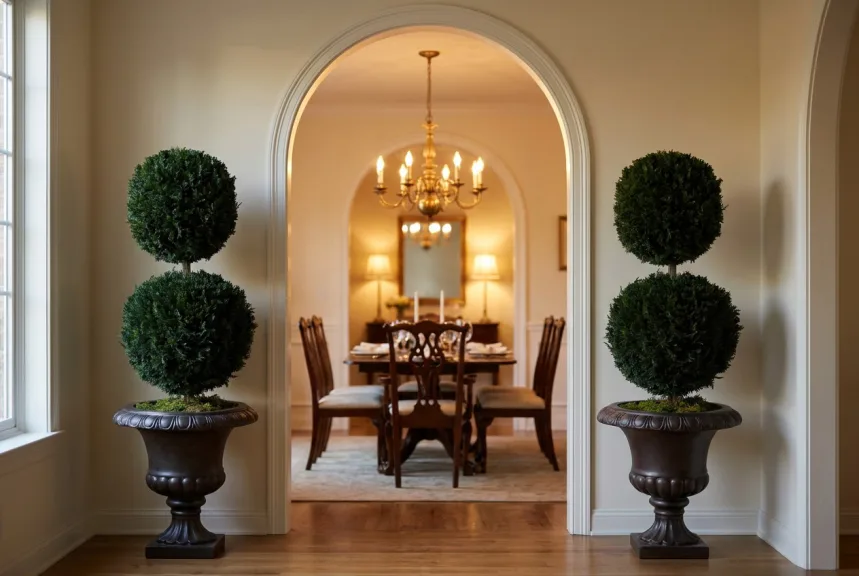
Double ball topiary for a doorway
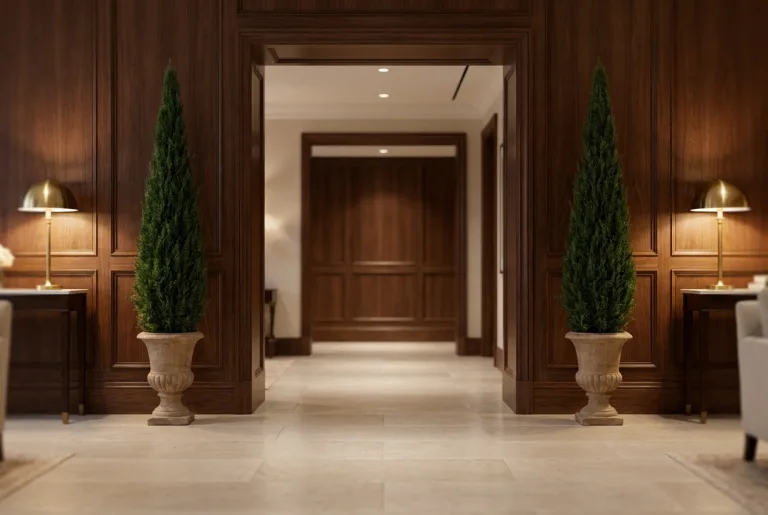
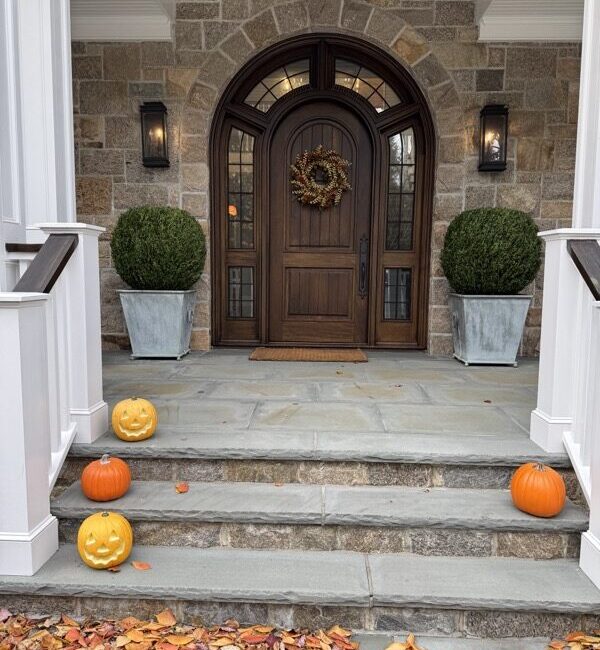
Two balls on one trunk add height without much width, which is why a double works so well beside a door. Put one on each side of an inside doorway, a hallway arch or the entrance to a dining room.
Preserved pieces do not grow. The pair stays even, and a heavy decorative container helps it look settled. Most pieces ship in a plain grower's pot and the planter is extra, so plan for one when you order.
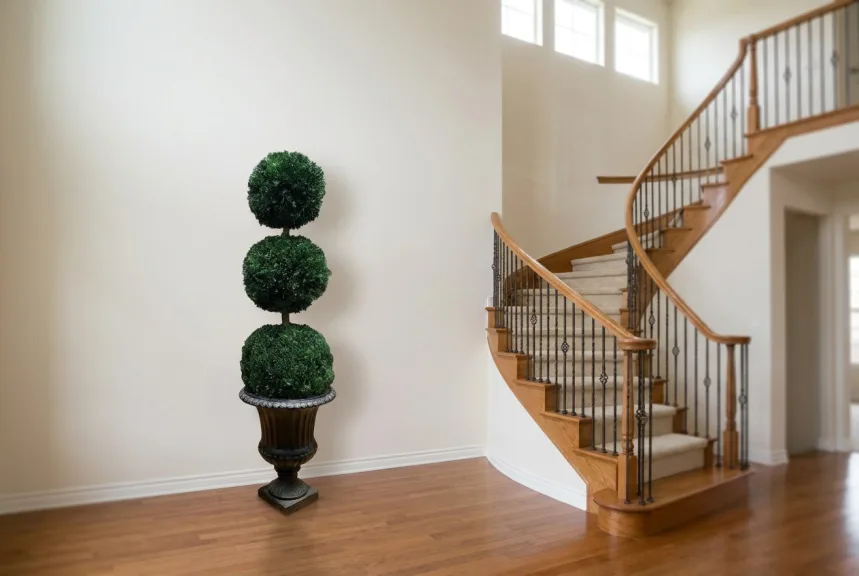
Triple ball topiary for high ceilings
A triple ball is the tall piece. It fills the height of a stairwell, a two-story foyer or a hotel reception that has a lot of air above it. Under a standard ceiling it can look crowded, so leave clear space above the top ball.
Tall pieces are quoted with delivery, and the large ones travel by freight. Allow 1 to 3 weeks before it ships, because each piece is finished to order. Single, double or triple compares the three with room heights.
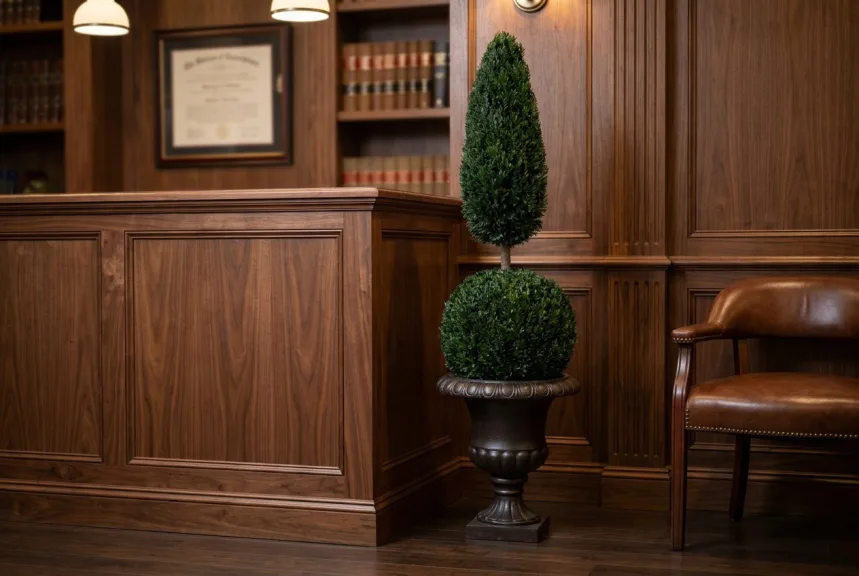
Boxwood or juniper foliage
Boxwood has small, dense leaves and gives the classic tight sphere. It is for indoors only.
Juniper has a softer, feathery surface with more texture up close. Preserved junipers last seven years or more, and the juniper globe may stand under a covered porch, out of rain and direct sun. Nothing preserved is guaranteed outdoors, though.
With either one, humid rooms are the risk. Damp air can make the foliage drip glycerin, so skip bathrooms and laundry rooms.
Questions about Preserved Ball Topiary
Single, double or triple: how do I choose?
By height and by how busy you want it to look. A single looks calm on a table, a double adds height beside a door, and a triple is the tall piece for high ceilings and flanked entries.
How long does preserved ball topiary last?
Years, indoors. Preserved junipers last seven years or more. We have no firm figure for boxwood, but the same rules keep both going: no direct sun, no water and no damp room.
Can a preserved boxwood ball go outside?
No. Preserved boxwood is for indoors only. The juniper globe may stand under a covered porch, but nothing preserved is guaranteed outdoors. For an open porch or a garden, choose artificial boxwood balls.
Does a preserved ball topiary come with a planter?
Usually not. Most pieces ship in a plain grower’s pot, and the decorative container is extra. A heavy planter grounds a triple, and a low bowl turns a single into a centerpiece.
How long does delivery take?
Allow 1 to 3 weeks for it to ship, because each piece is finished to order. We ship across the US and Canada. You have 15 days after delivery to return a piece.