
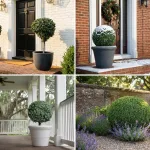
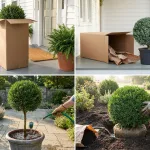

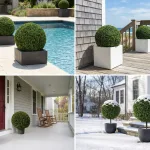
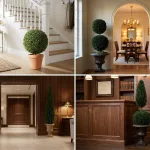
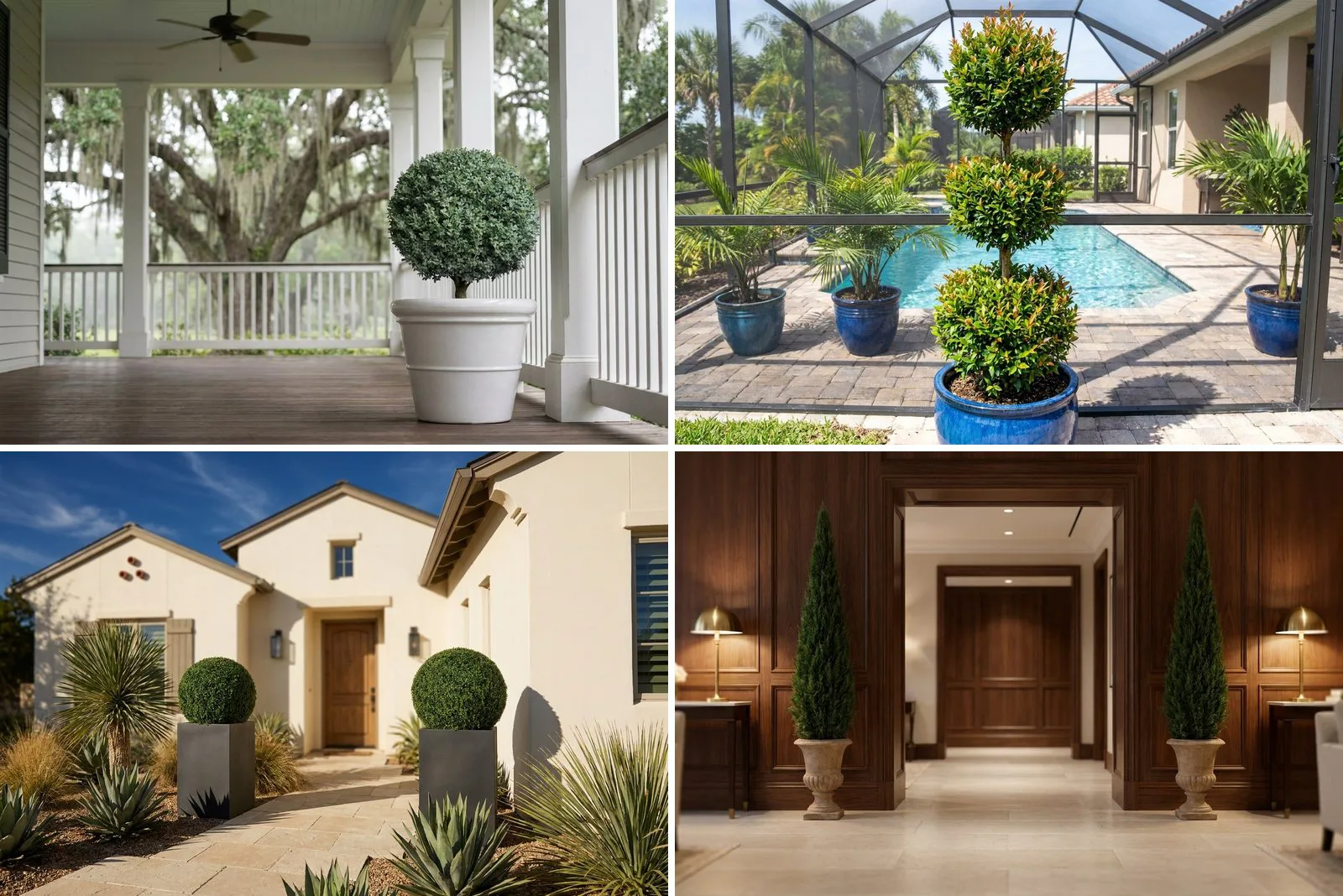
In humid heat, the Gulf Coast and the Southeast, live boxwood needs airflow and afternoon shade, and preserved topiary belongs in air-conditioned rooms. In dry heat, the Southwest and inland California, sun is the problem, so choose UV-rated artificial topiary for exposed spots and give live plants afternoon shade and more water. The two climates need different choices, and most advice treats them as one.
Humid heat: the Gulf Coast and the Southeast
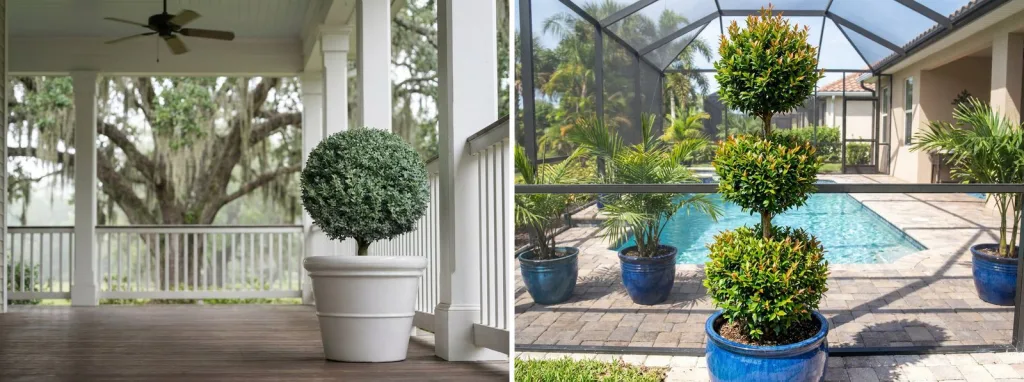
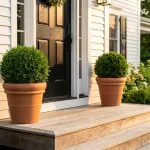
Live boxwood needs airflow in humid heat, because warm, wet leaves cause more trouble than the temperature itself. It grows here, but it is harder work. Dense clipped foliage holds moisture in the middle of the plant, still warm air keeps it there, and that is what fungal disease wants.
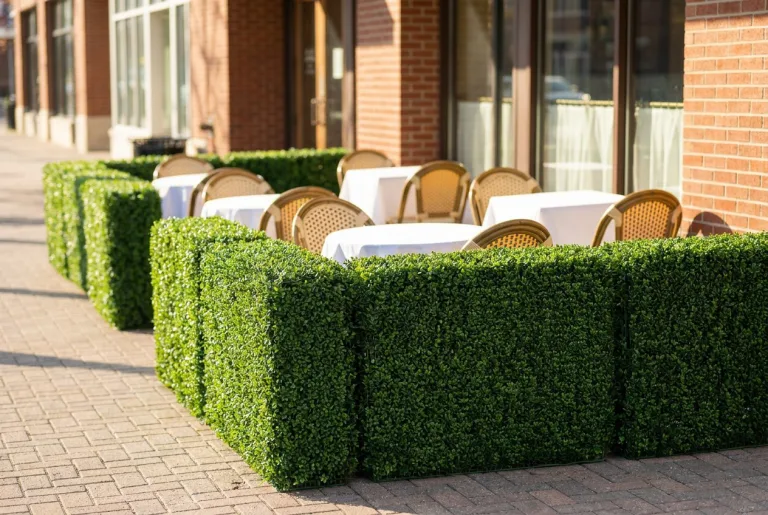
So give the plant space, water at the base instead of over the top, and thin the inside instead of clipping it into a sealed shell. ‘Green Beauty’ handles heat best. The boxwood diseases guide covers what to look for. In frost-free South Florida, eugenia is the usual clipped plant instead; see the best plants for topiary.
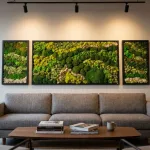
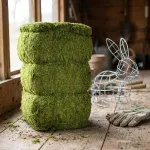
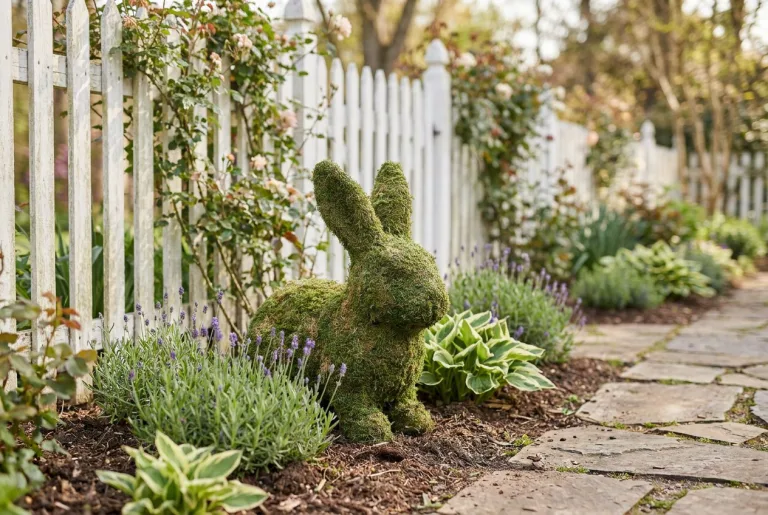
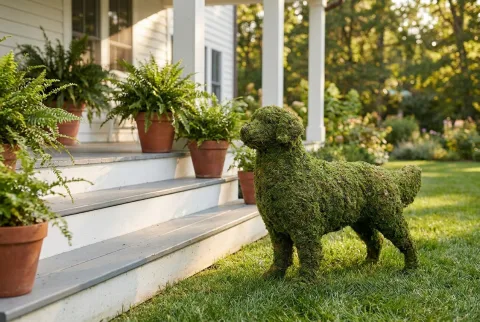
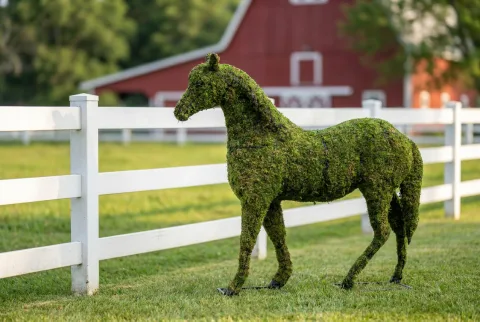
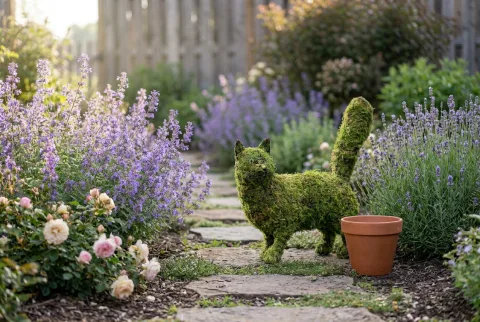
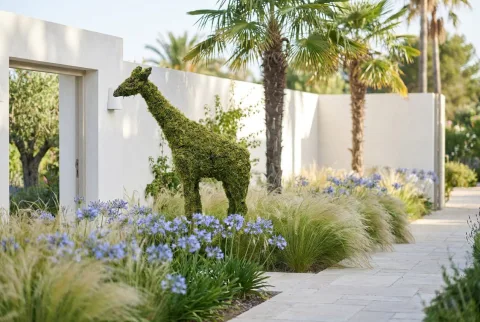
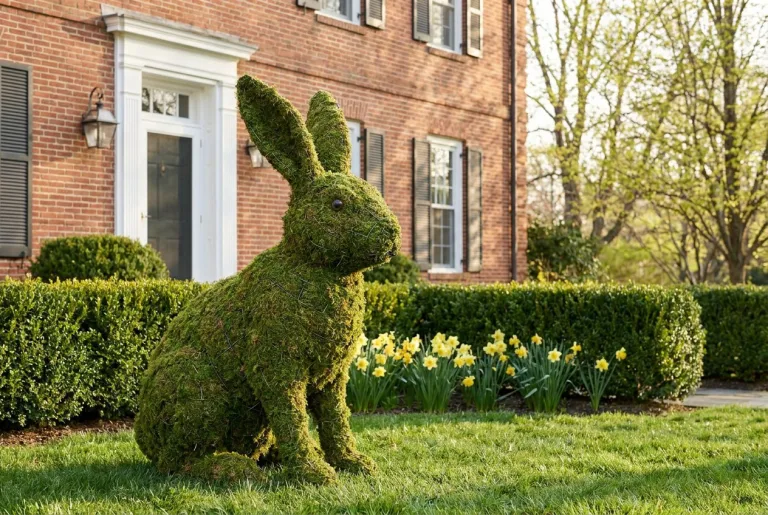
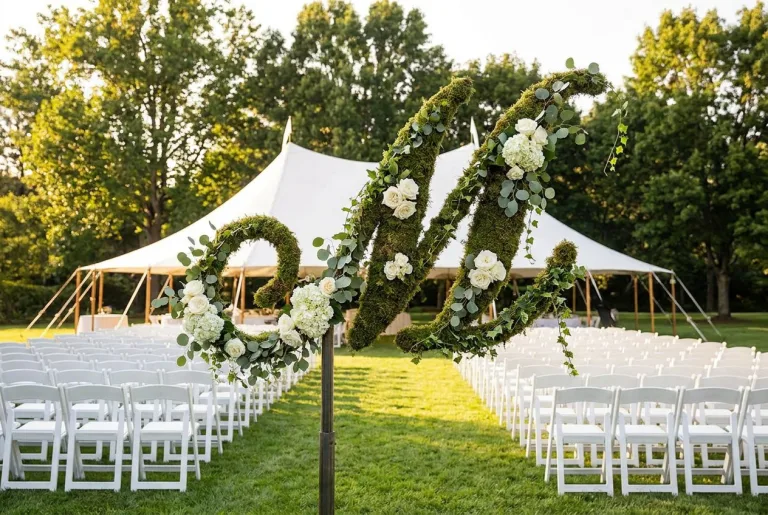
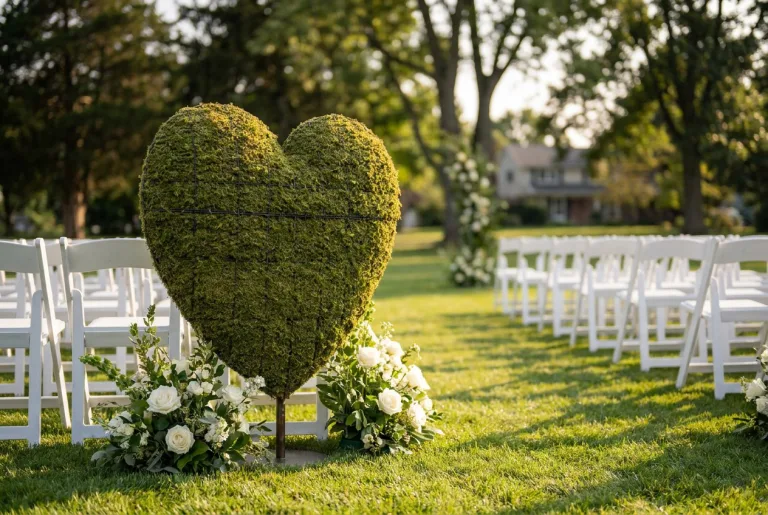
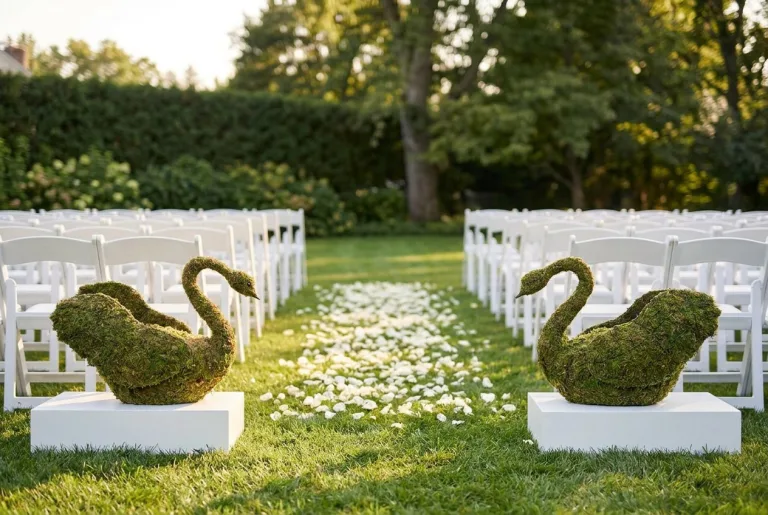
Mossed pieces like humidity. Sphagnum holds water, so a humid climate means less soaking. Standing water still rots them, so make sure water can drain away underneath.
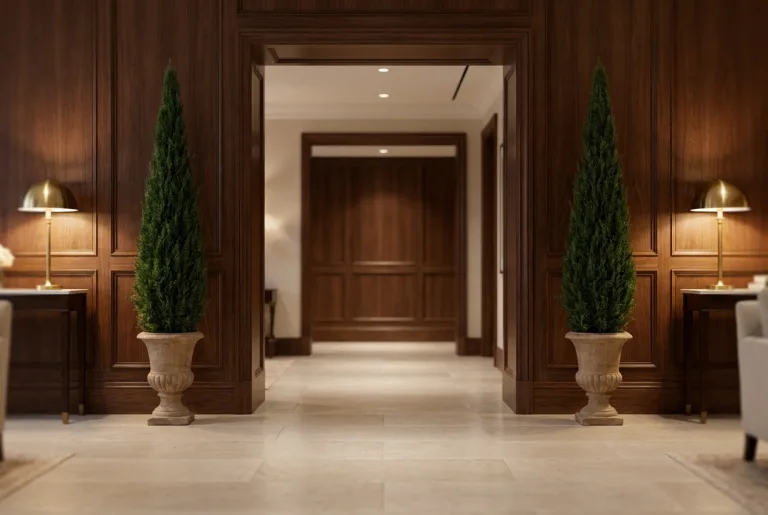
Preserved topiary belongs in air-conditioned rooms here, and nowhere damp. The glycerin in preserved foliage draws moisture from the air, so in a damp room it turns tacky and slowly breaks down. A screened porch in August is damp enough to do it.
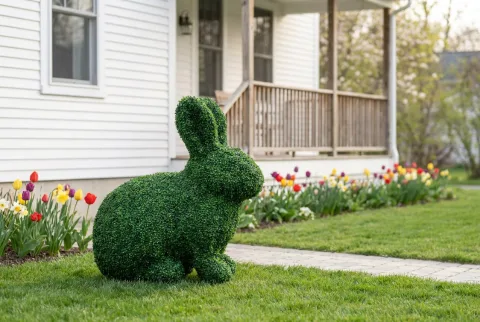
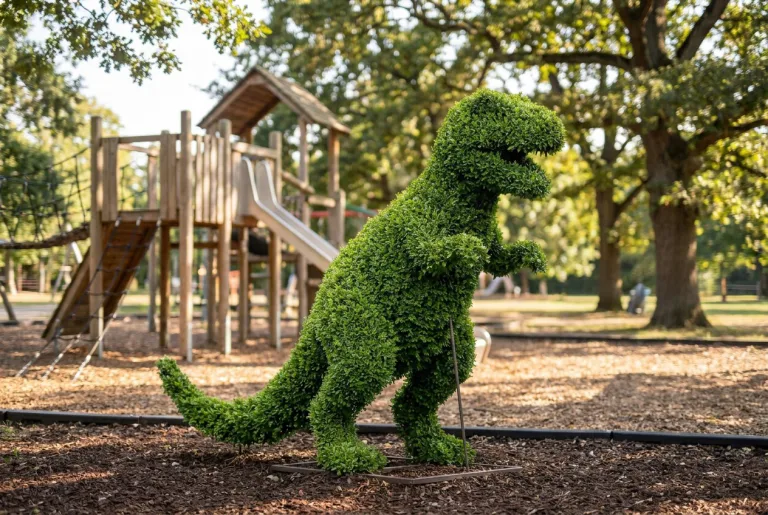
Artificial topiary does not mind humidity. Sun is what ages it, and here the sun is often softened by cloud and haze.
Dry heat: the Southwest and inland California
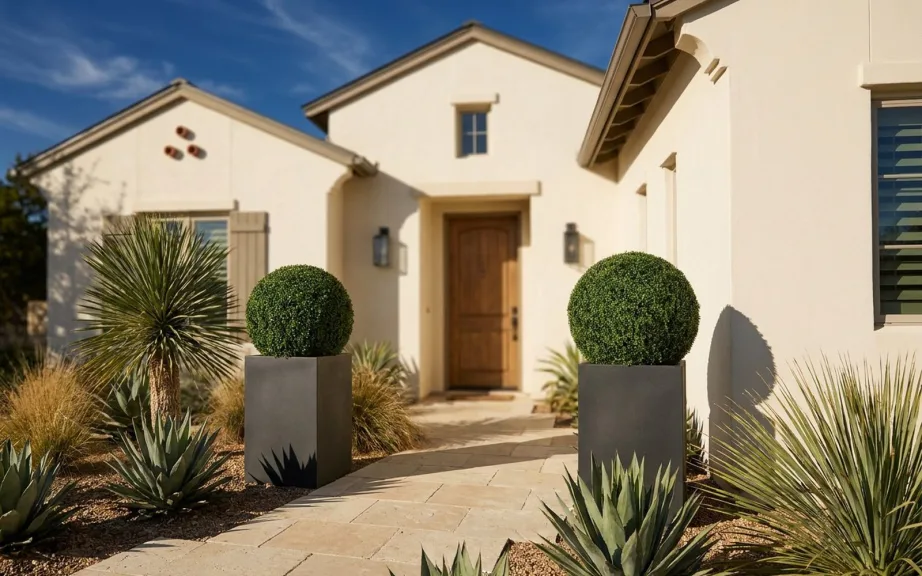
Ultraviolet light is the main problem here.
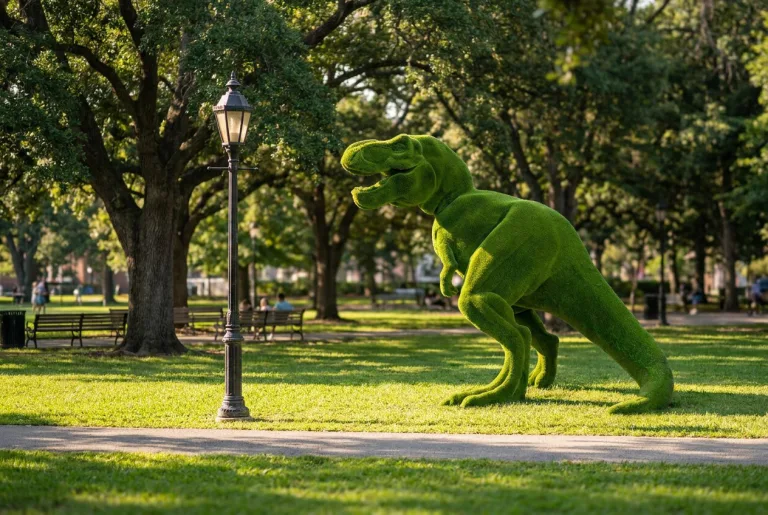
Artificial topiary needs the best UV protection you can get. UV protection built into the material lasts longer than a surface coating, which wears through and fades in patches. Read what UV-rated means before you buy.
Live plants want shade in the afternoon and far more water than the same plant in a mild garden. Boxwood in dry heat loses water through its leaves faster than its fine roots can replace it, and the leaf edges scorch tan. In a pot it needs more water again, because the pot dries from every side.
Preserved topiary works well indoors here. Keep it out of any sunny window, because direct sun fades it.
The spot matters more than the product
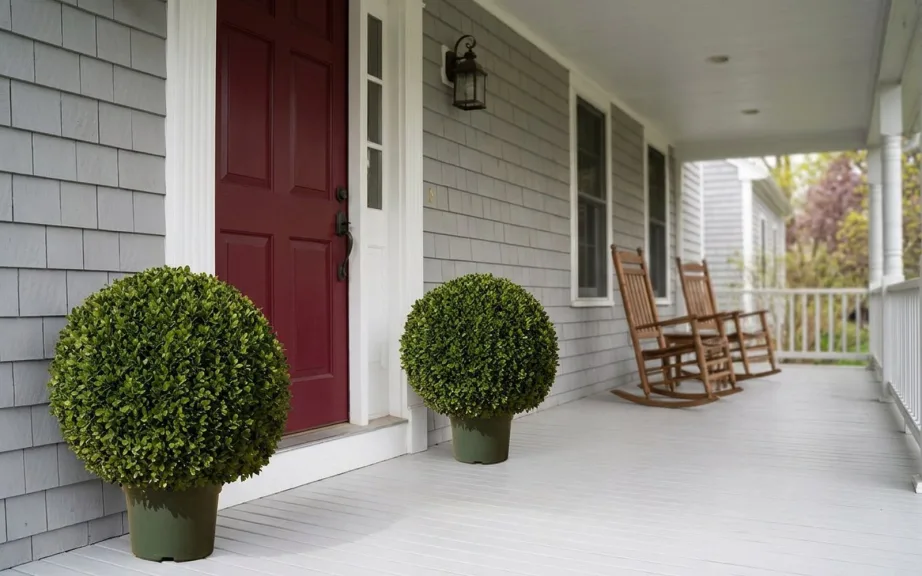
In either climate, give your topiary morning sun and afternoon shade. Shade costs nothing, makes artificial foliage last longer and cuts watering for live plants. An east-facing wall, the shady side of a building, a porch roof or a tree canopy all work.
A courtyard can be harsher than an open lawn with the same hours of sun. Pale paving, white walls and glass reflect light back onto the piece, so treat a bright enclosed space as hotter than it looks.
Choosing, by region
| Where | Best choice |
|---|---|
| Humid Southeast, outdoors | Artificial for exposed spots; mossed pieces; live boxwood with airflow and afternoon shade |
| Humid Southeast, indoors | Preserved, in air-conditioned rooms only |
| Southwest, outdoors | Artificial with the best UV rating, in the shadiest spot that suits |
| Southwest, indoors | Preserved, away from sunny windows |
The cold end of the country, zone by zone and cultivar by cultivar, is in the boxwood zone guide.
Quick answers
Can boxwood grow in Florida?
In north and central Florida, yes, with afternoon shade and good airflow, and ‘Green Beauty’ does best. In South Florida it struggles, and eugenia or UV-rated artificial is the better choice.
What is the best topiary for the Southwest?
Outdoors, UV-rated artificial topiary in the shadiest spot the design allows. Indoors, preserved topiary away from sunny windows.
Does humidity hurt preserved topiary?
Real damp does. Preserved foliage turns tacky and breaks down in a wet space. Air-conditioned rooms are fine, which covers most homes and commercial buildings.
Do mossed pieces like humidity?
Yes. Sphagnum holds water, so they need less soaking in humid air. Standing water still rots them, so drainage matters.
Does a courtyard count as shade?
Not always. Pale paving, white walls and glass reflect light back, so a bright courtyard can be harsher than an open lawn.
Keep reading
- The cold end: zones and cultivars
- Boxwood diseases
- What UV-rated means
- Artificial topiary outdoors: what the position decides
Some photographs on this page are staged illustrations, including the eugenia, a plant we do not stock.