

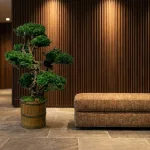
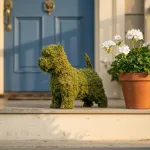
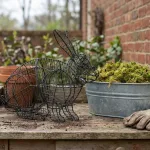
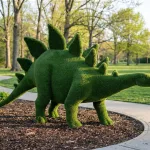








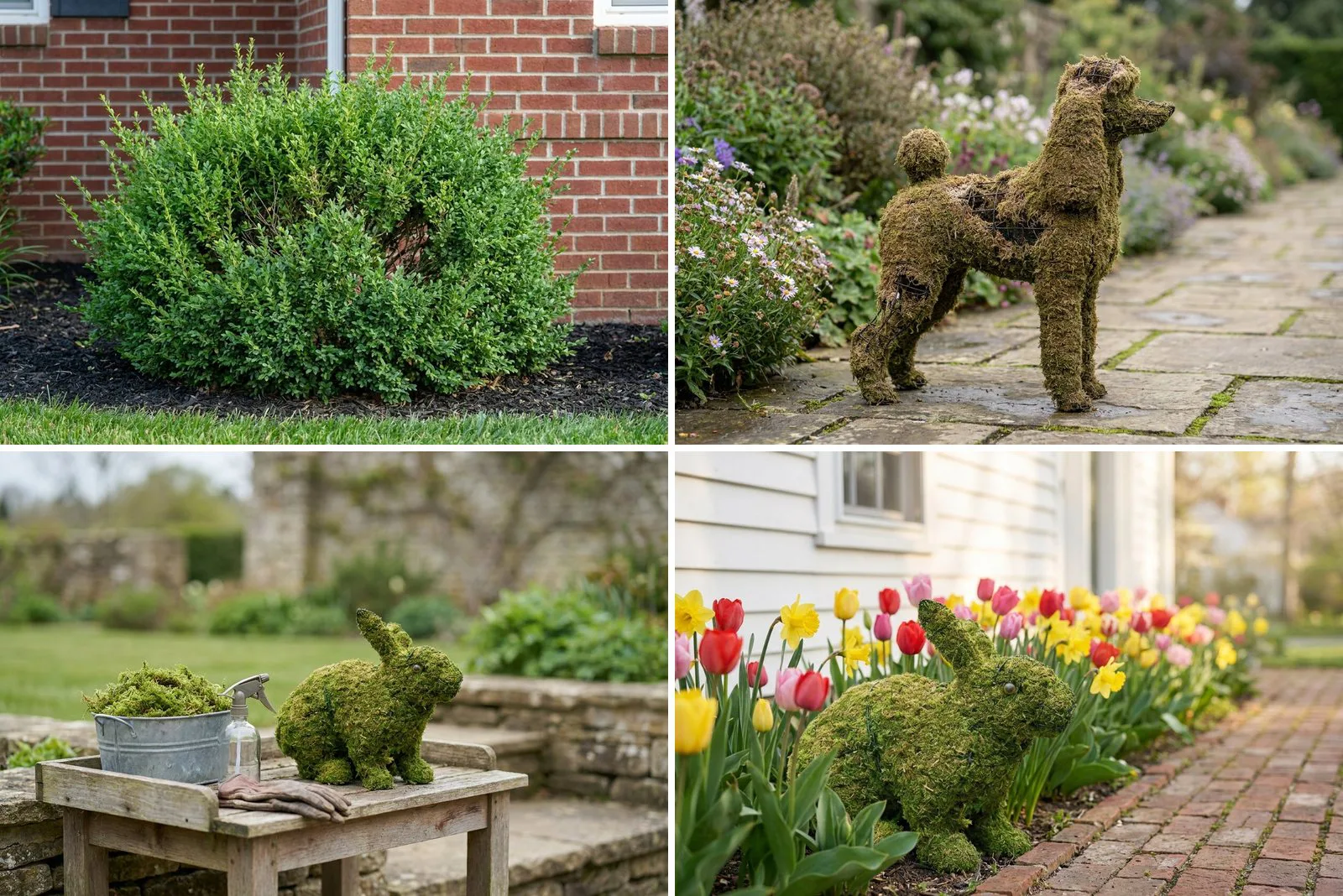
You can usually rescue a neglected topiary. An overgrown boxwood can be cut back into shape over two seasons, a mossed piece that has gone bald can be repacked with fresh moss, and a faded sculpture on a steel frame can often be re-covered. The frame and the roots are usually still sound after the surface has worn out.
A living topiary that has lost its shape
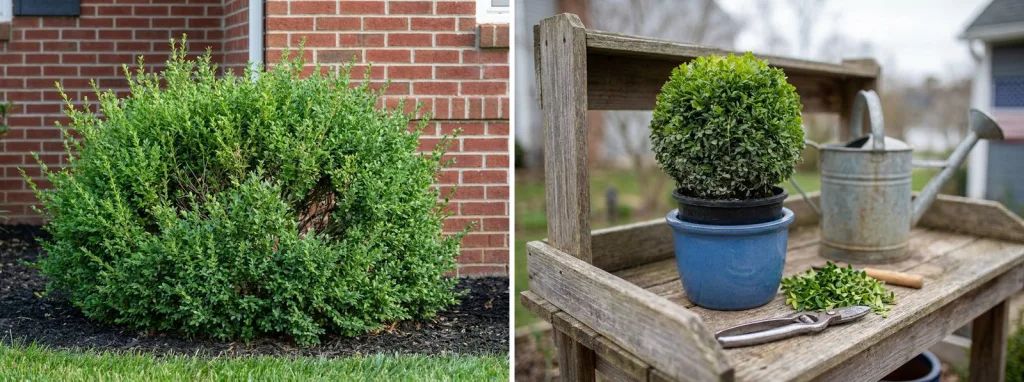
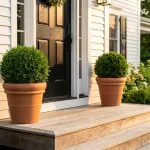
Cut in two stages, with one season between them. Boxwood regrows from old wood, but slowly. Cutting straight back to the final outline exposes large areas of bare stem that stay bare for a long time.
In the first year, cut back to a little outside the shape you want, and remove dead or crossing wood from the inside so light and air reach it. Feed in early March. In the second year, once the plant has responded with new growth, take it the rest of the way.
Make the main cut in early June, after the spring growth has firmed, and never in winter. The rest of the calendar is in what a live boxwood costs to keep.
When a living piece is gone
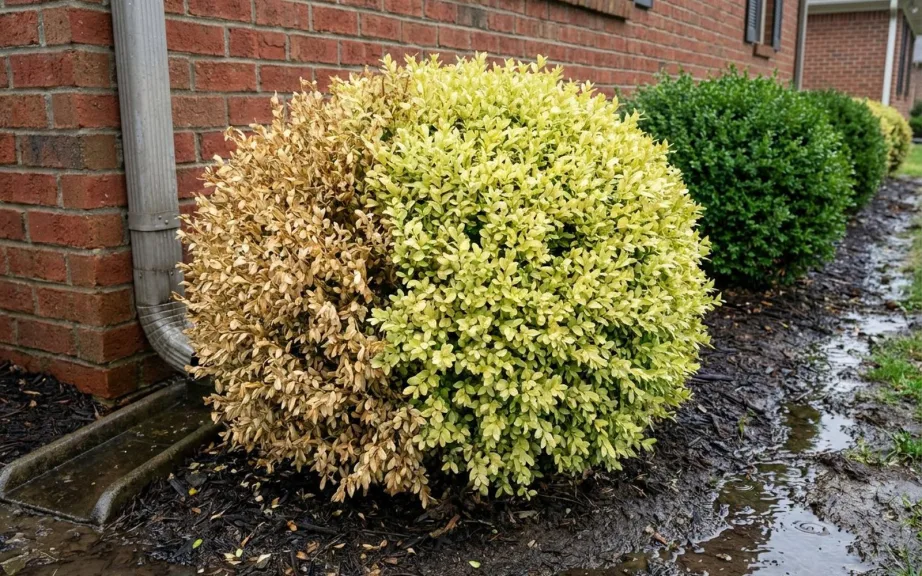
A long-dead center or root problems usually mean you cannot rescue the plant.
A dead center with only a thin outer shell. If the inside is bare wood with no live growth at all, and it has been like that for years, cutting into it exposes something that may not come back.
Root problems. A plant that is thin and pale all over, especially in soil that never dries, usually has a root problem. No amount of shaping fixes it.
Disease is a separate question and often treatable. The boxwood diseases guide covers identification.
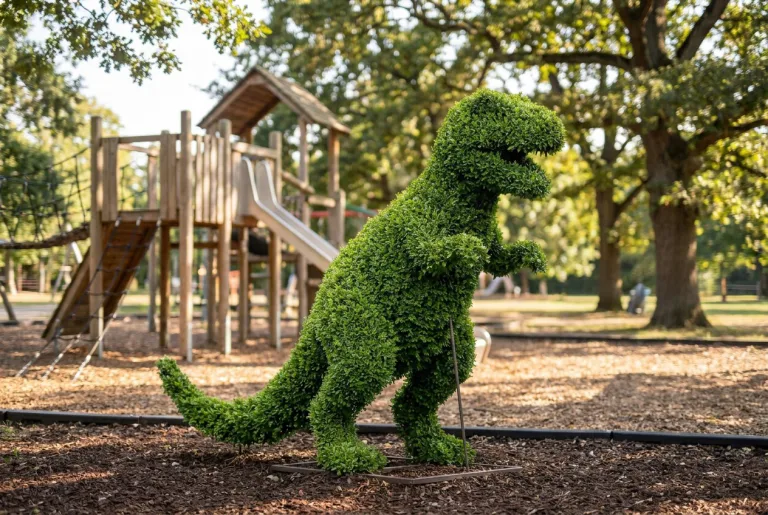
A mossed piece that has gone thin
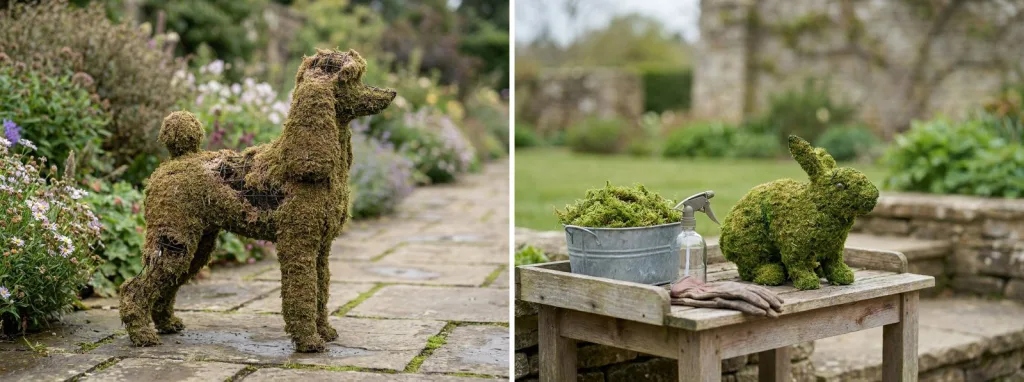
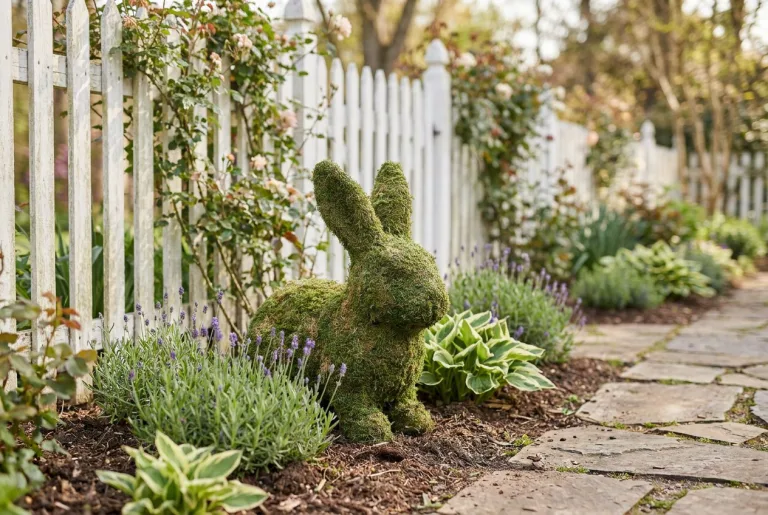
This is the easiest kind to rescue, and the one people most often throw away.
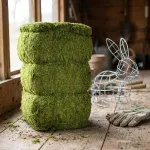
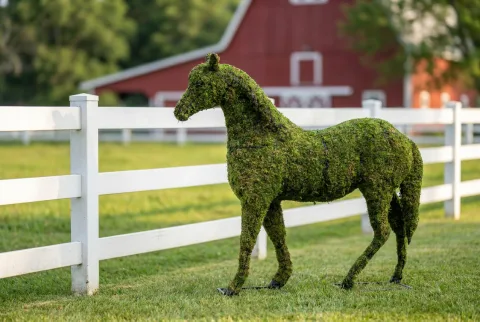
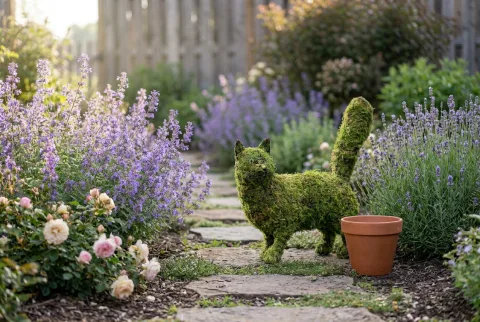
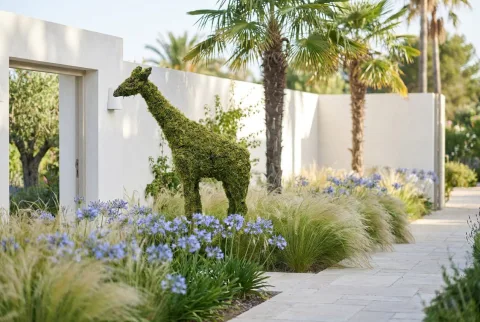
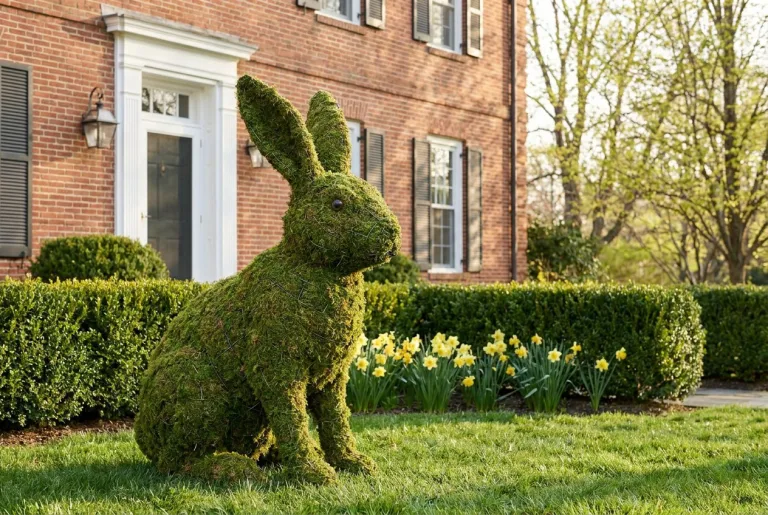
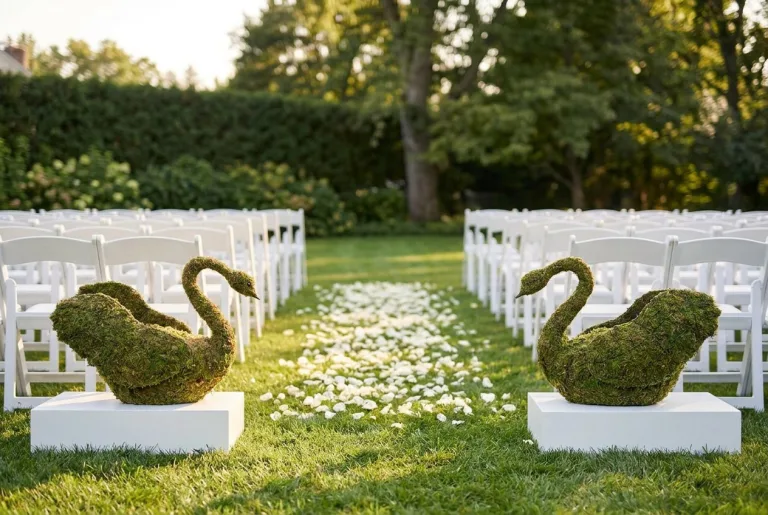
Check the frame first, for rust at the joints and for bent wire. On a galvanized frame it is usually sound. The moss at the surface has weathered while the core has stayed firm, so work fresh sphagnum into the existing packing instead of starting again.
Soak the new moss until it is soft. Press it into the frame in small sections, working from the bottom up, and hold it in place with floral wire or twine.
If the piece is badly worn, strip it and repack it. That is about a day’s work and a few bags of moss, against the cost of a new piece. The frame is the expensive part, and you are keeping it. Our topiary supplies include sphagnum by the bale and woodland moss in bags.
How a mossed animal is made and kept sets out the method, and which moss for which job covers what to buy.
A faded artificial or turf piece
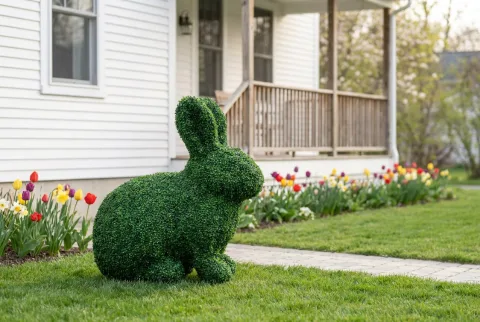
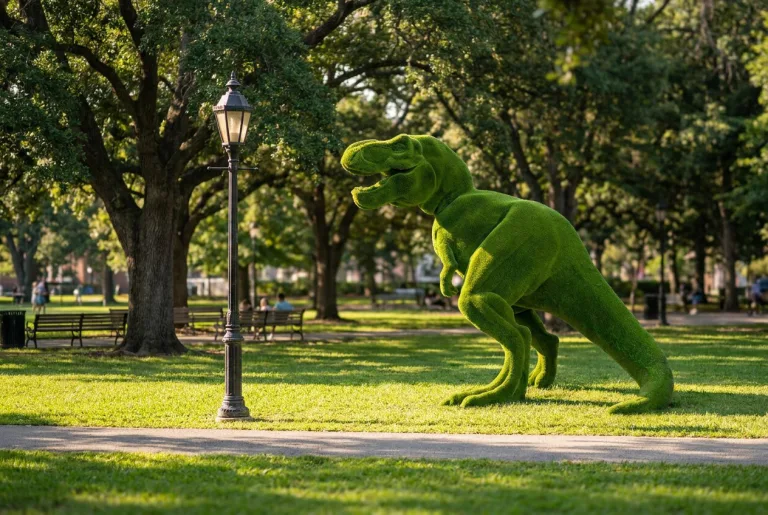
Fading cannot be reversed. A piece built on a galvanized steel frame can be re-covered, because the frame outlives the surface. A piece built on a foam core generally cannot. So ask what is under a sculpture before you buy it, not years later.
Refurbishment, as a service
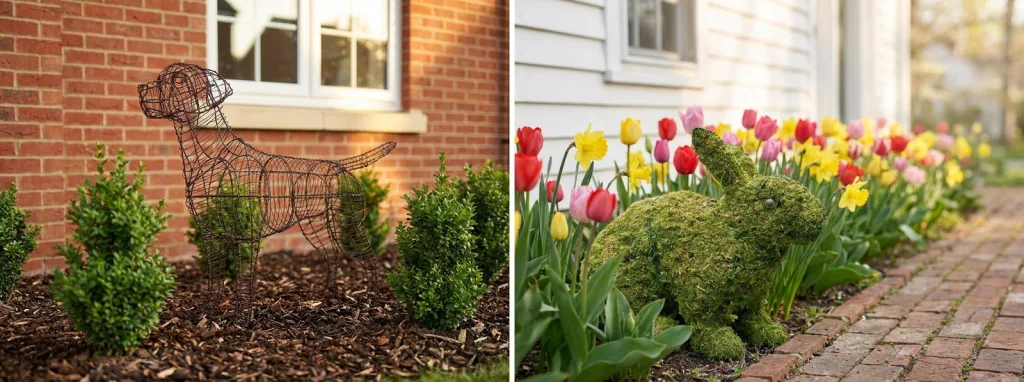
We offer a refurbishment service for tired pieces, including ones bought elsewhere. The frame under a sculpture or a mossed animal is usually still worth having, and re-covering costs a fraction of a new piece.
Send photographs from two or three angles, the approximate height and age, and what it is covered in now. Our team replies within hours, usually the same day, and will tell you honestly whether it is worth saving, including when it is not.
If your piece turns out to be beyond rescue, read how a commission works.
Quick answers
Can an overgrown boxwood topiary be brought back?
Usually, over two seasons. In the first year, cut to a little outside the shape you want and clear dead wood from the inside. Take it the rest of the way the next year.
How hard can I cut boxwood back?
Boxwood regrows from old wood, which is what makes recovery possible, but it does so slowly. Two staged cuts give a far better result than one hard cut.
My mossed animal has gone bald. Is it finished?
Almost certainly not. Check the frame for rust and bent wire, then work fresh sphagnum into the existing packing from the bottom up.
Can a faded sculpture be re-covered?
Yes, if it is built on a galvanized steel frame. A foam-cored piece generally cannot be re-covered.
Do you refurbish pieces bought elsewhere?
Yes. Send photographs, the height and what it is covered in, and our team will give you an honest answer.