




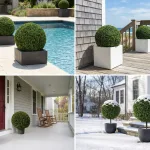

Ball Topiary
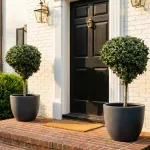
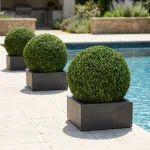
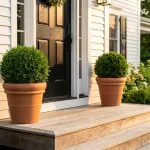
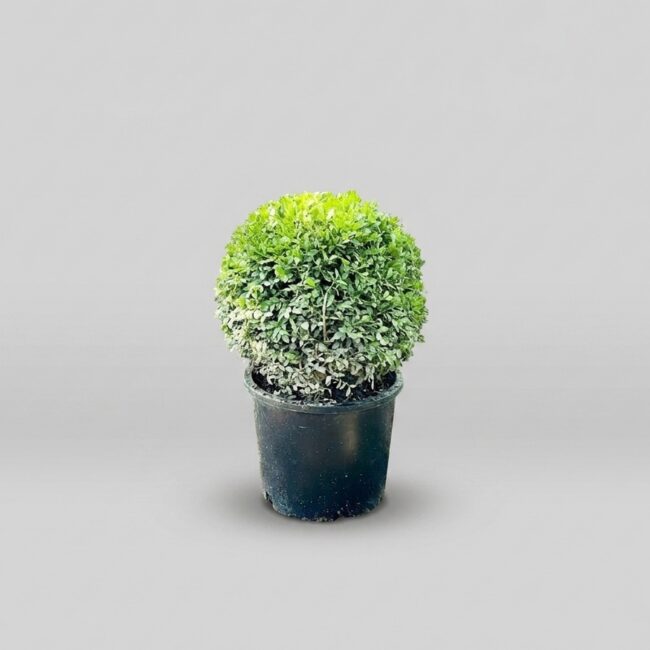
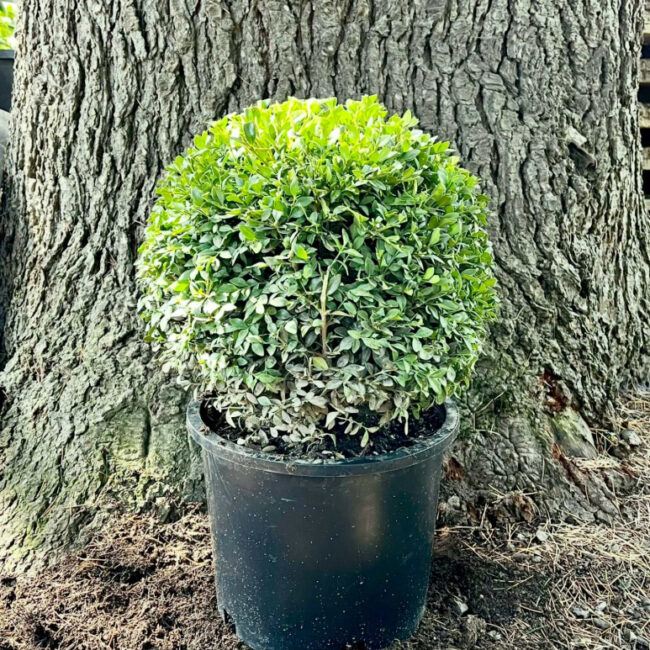
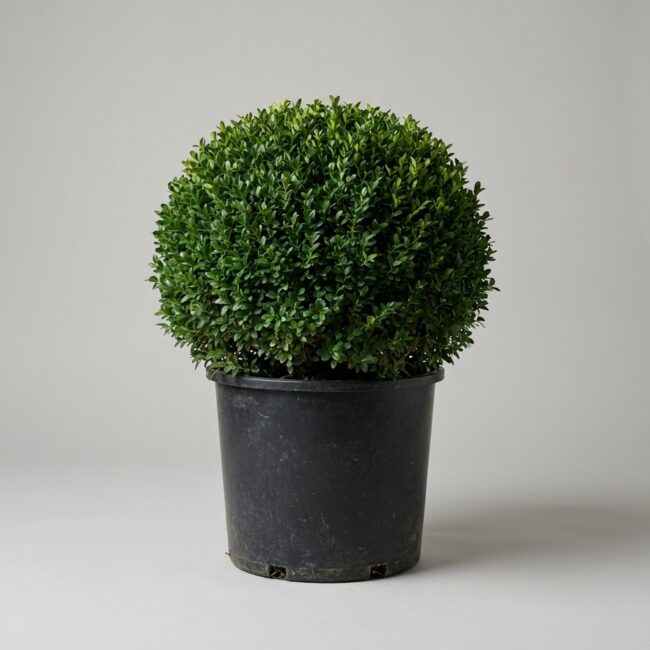
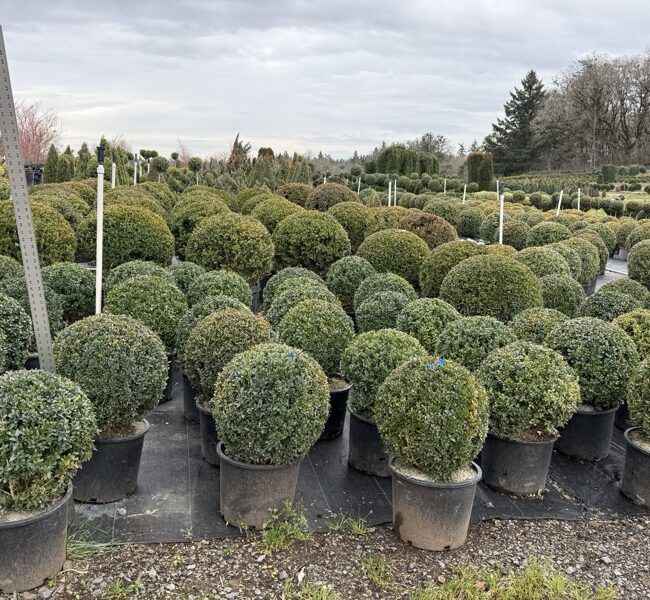
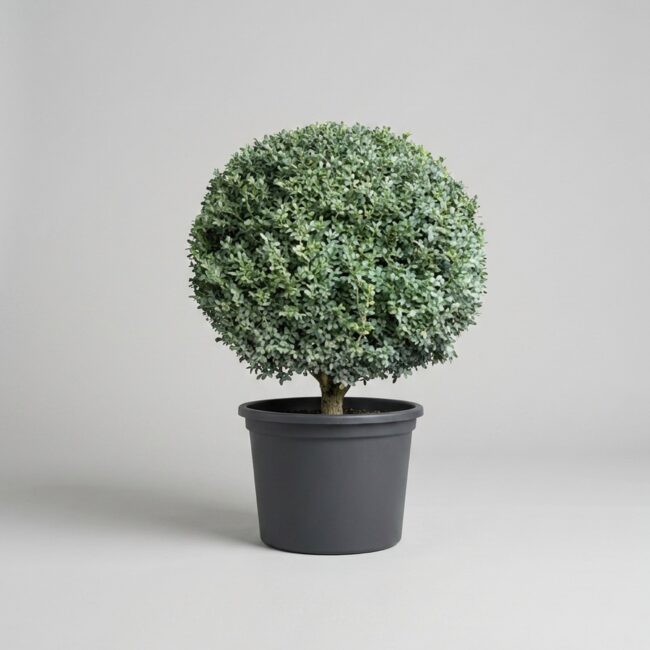
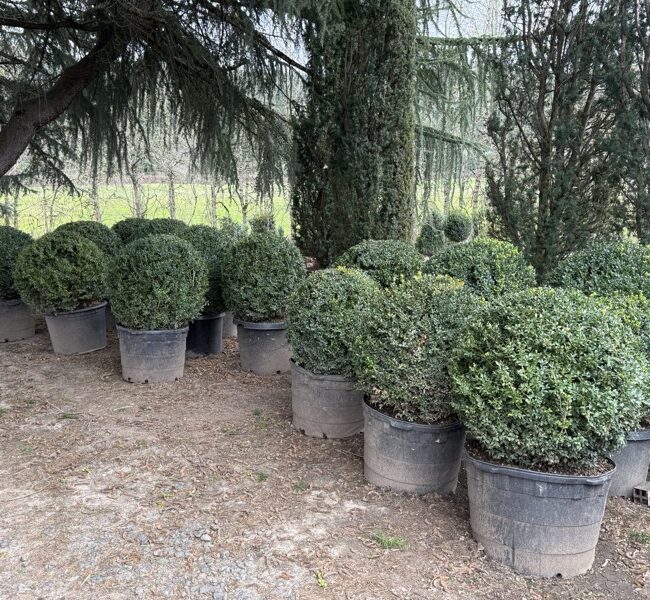
A boxwood ball is the simplest topiary shape and the easiest to live with. Real boxwood globes sit low in a border or a pot, while a ball on a stem lifts the same round shape to eye level beside a door. Both keep their shape with a light trim once or twice a year. Start with the spot: its winter zone and its afternoon sun decide which boxwood will do well there.
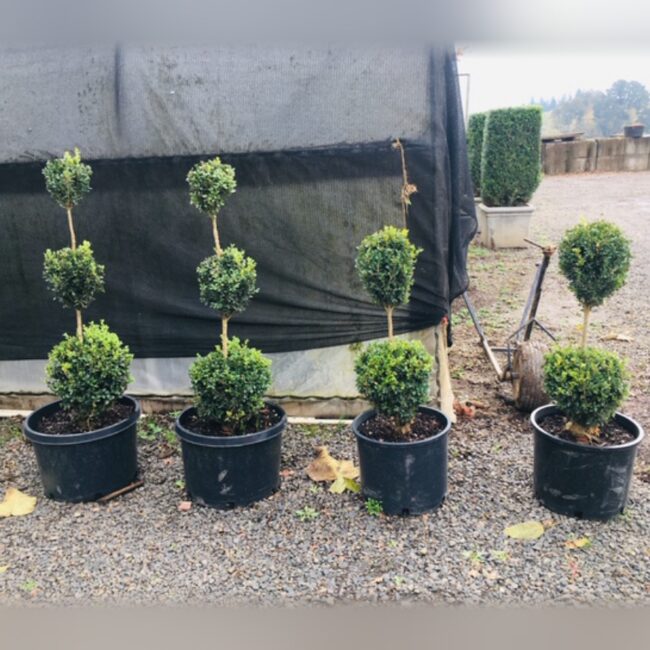

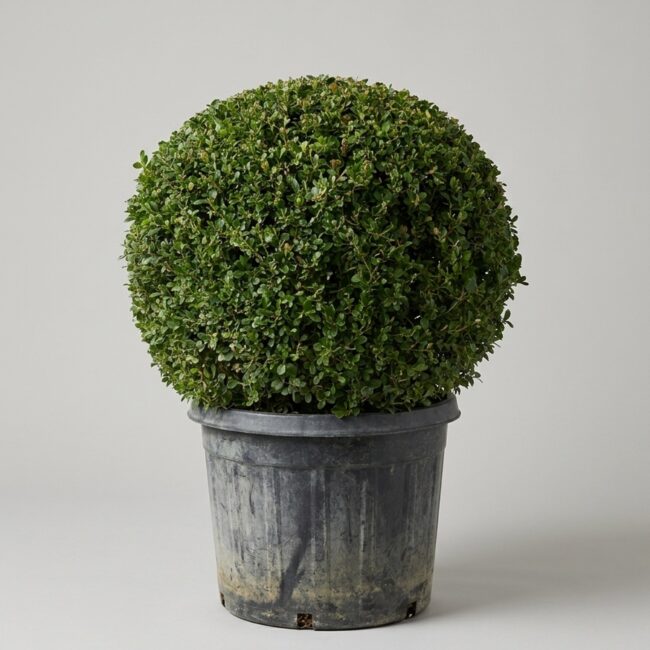
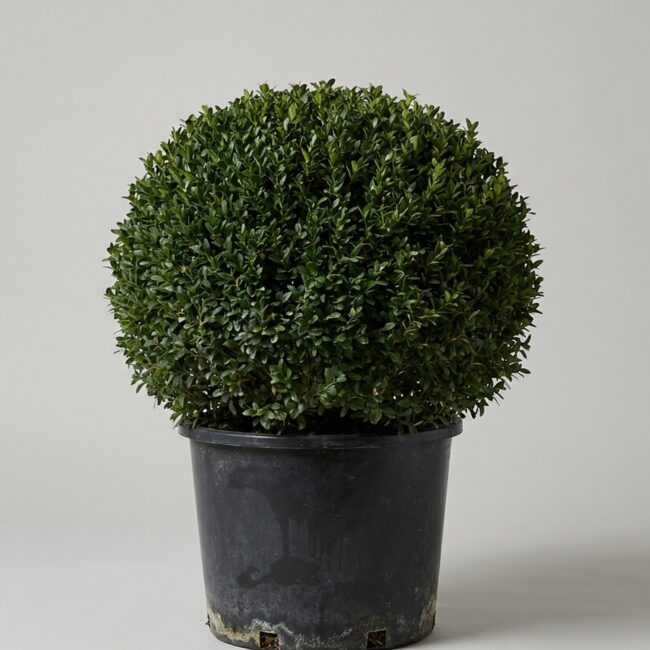
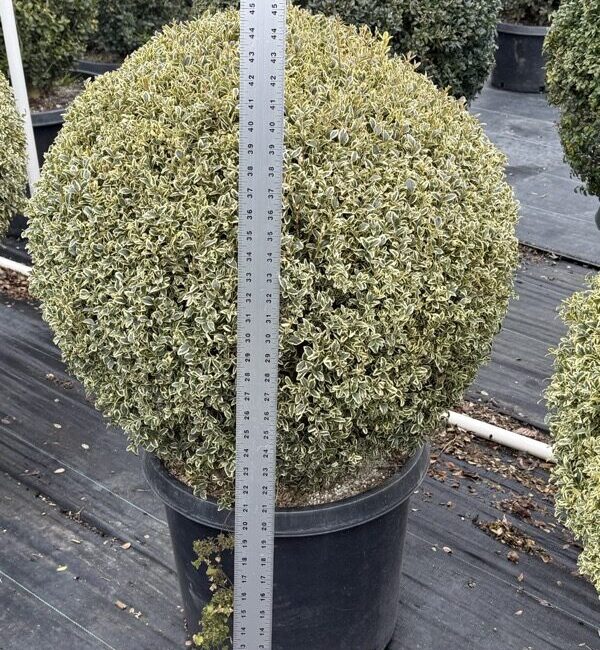
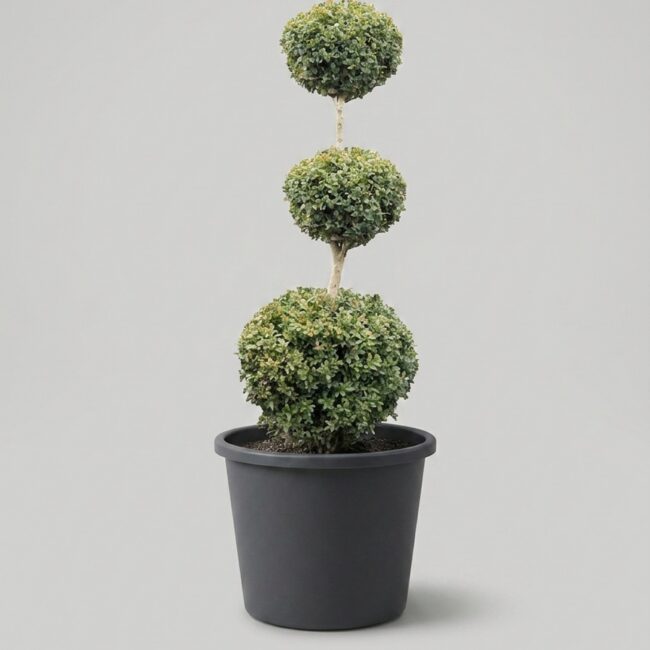
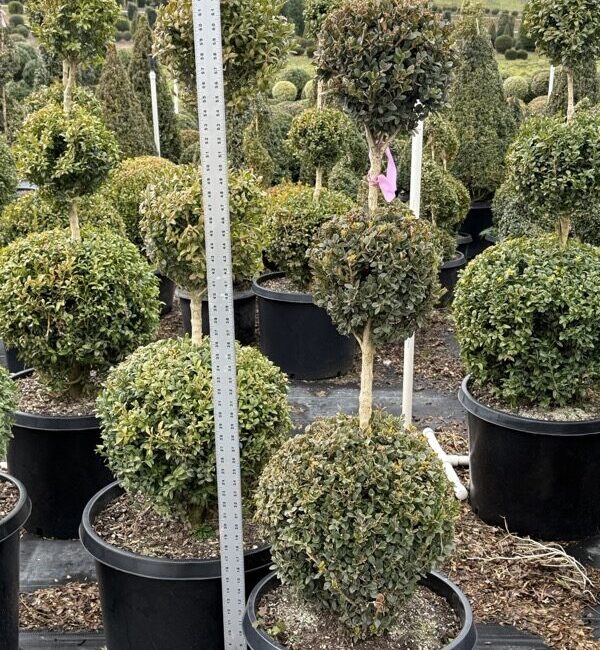
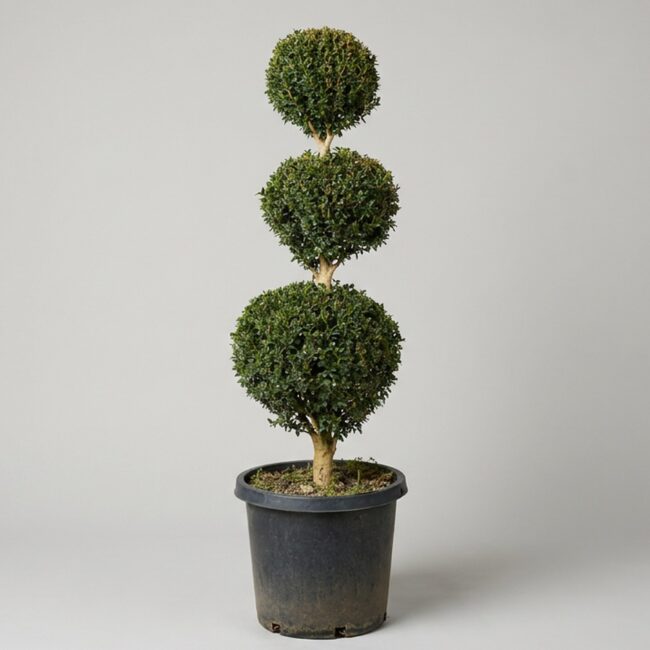
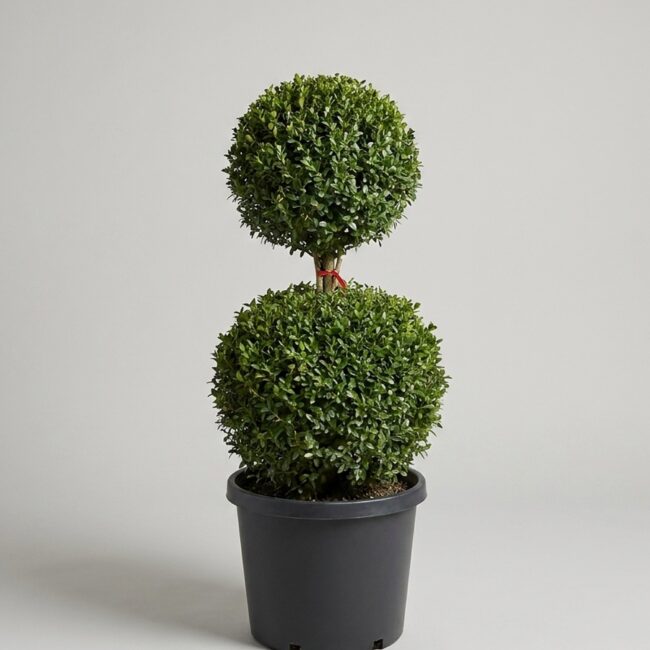
Live Tiered Triple Ball Boxwood Topiary, 48-50 in
Quoted with delivery
Built to order, 4 to 10 weeks
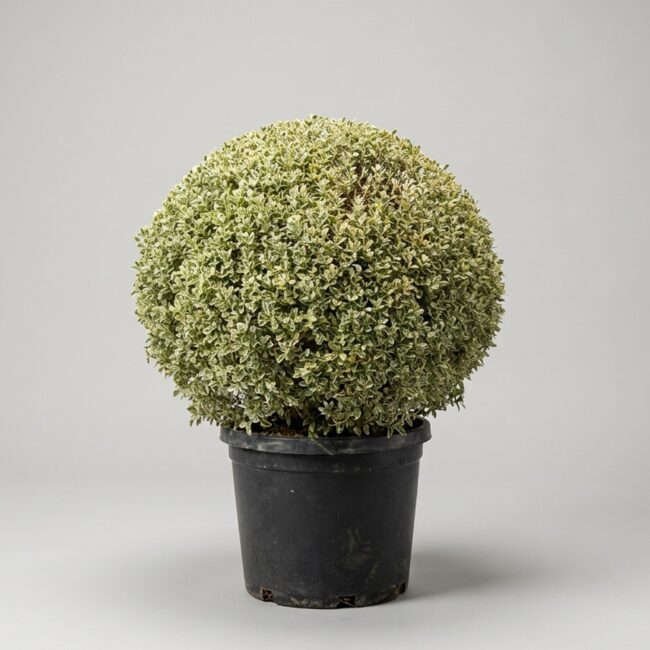
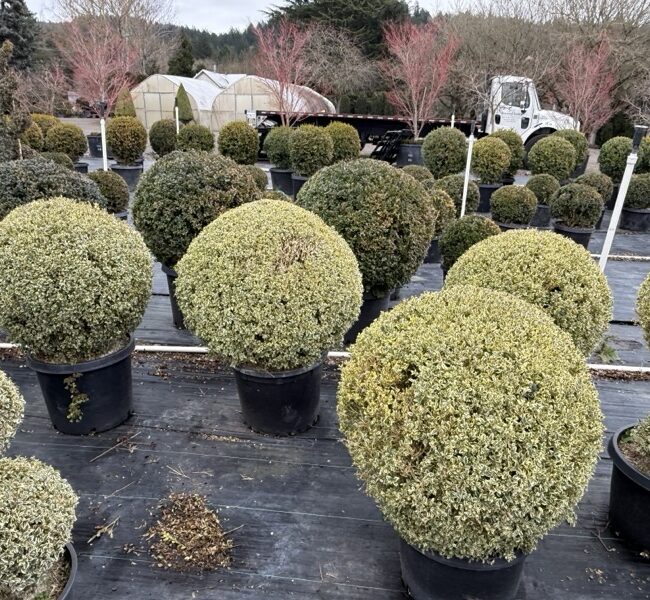
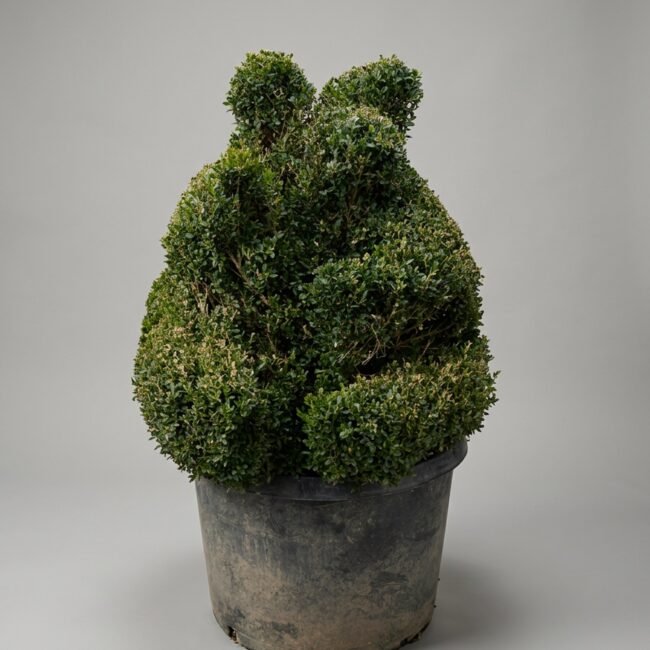
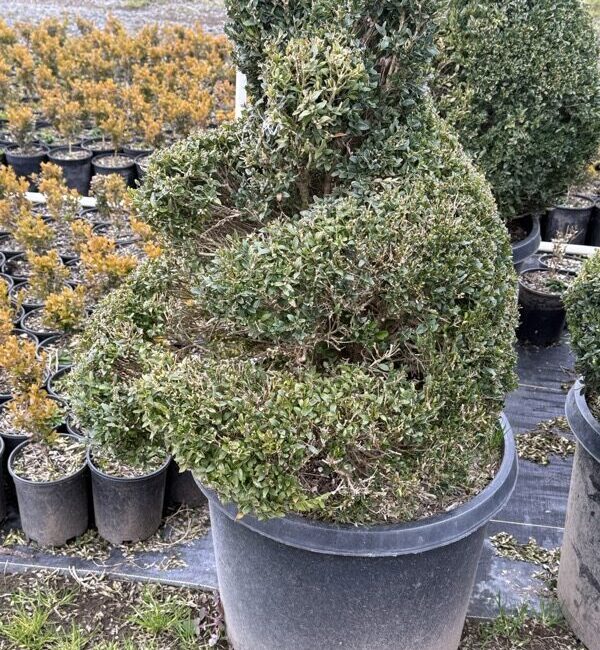
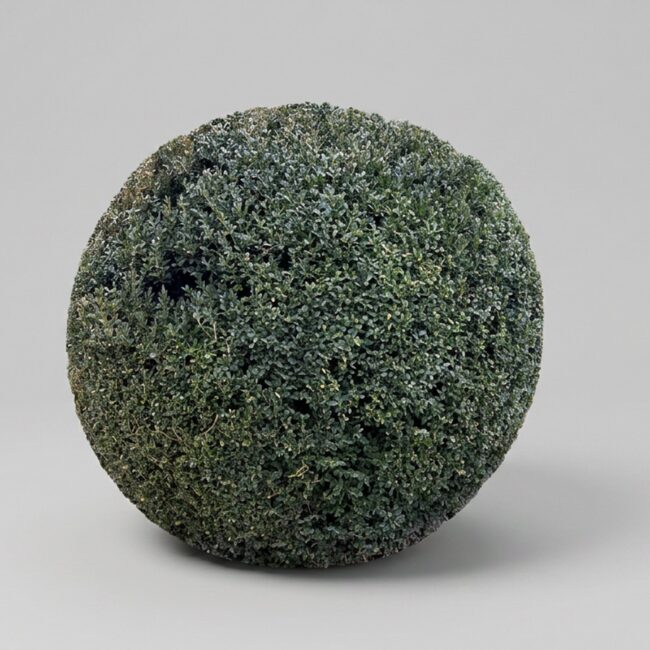
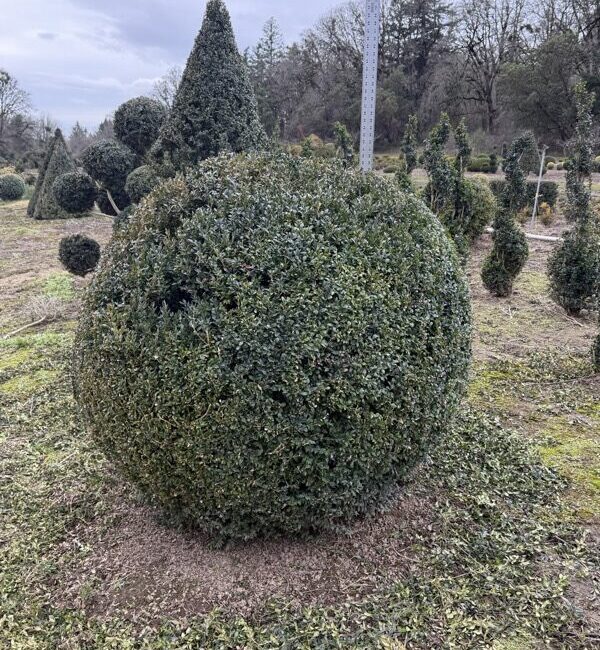
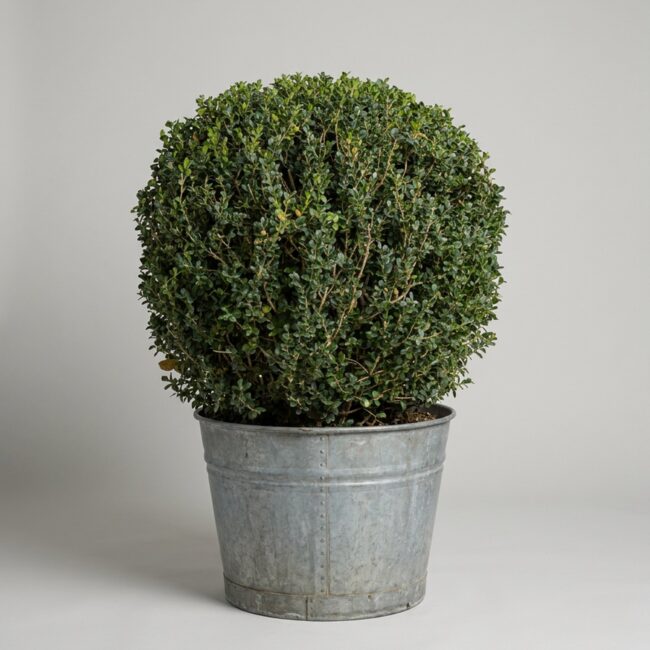
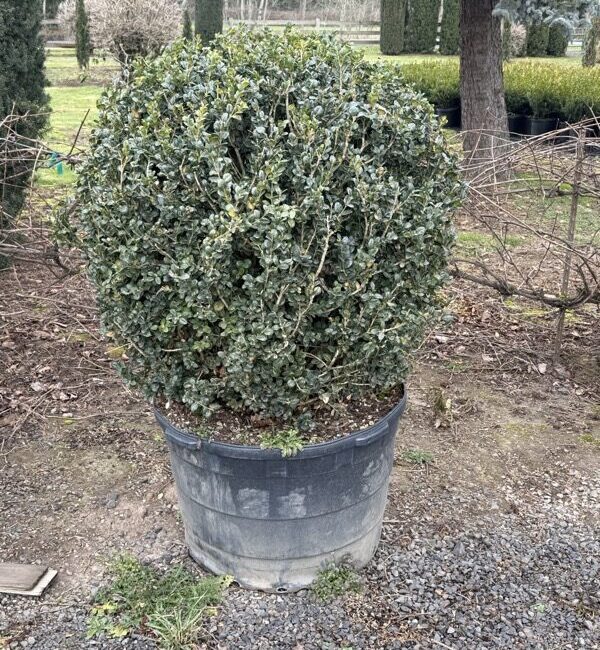
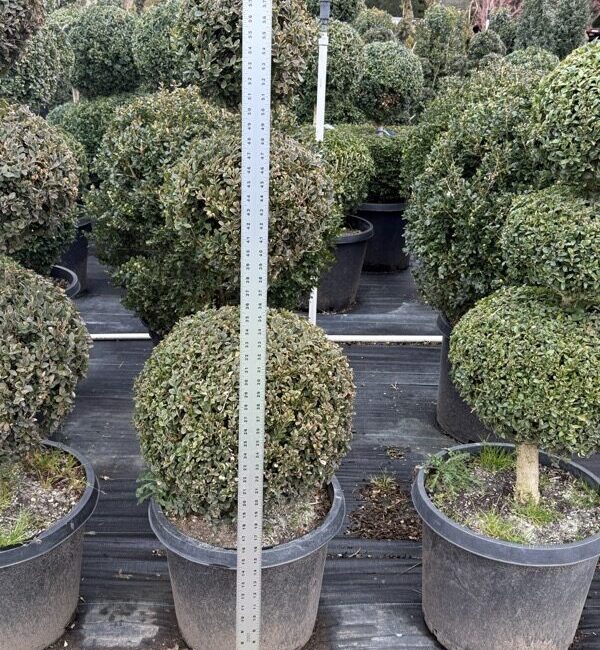
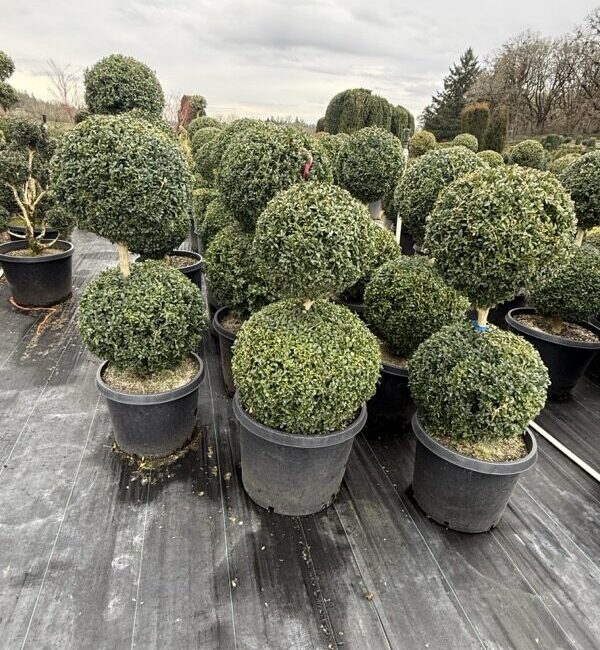
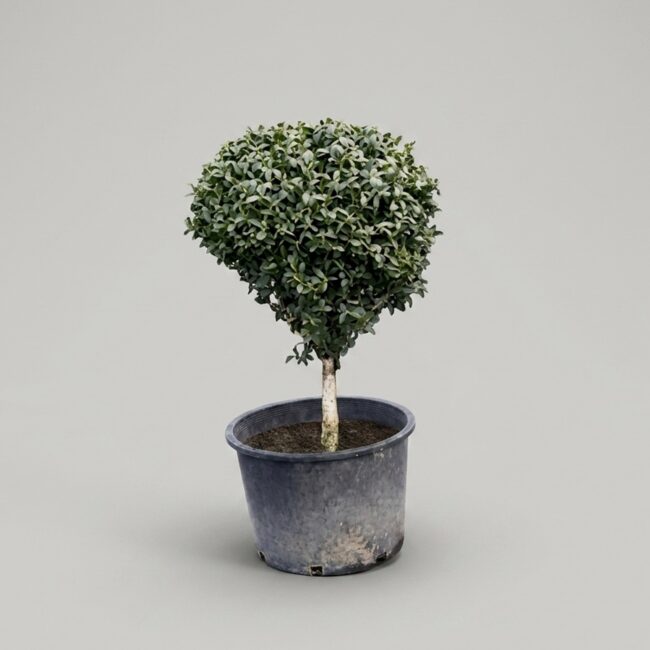
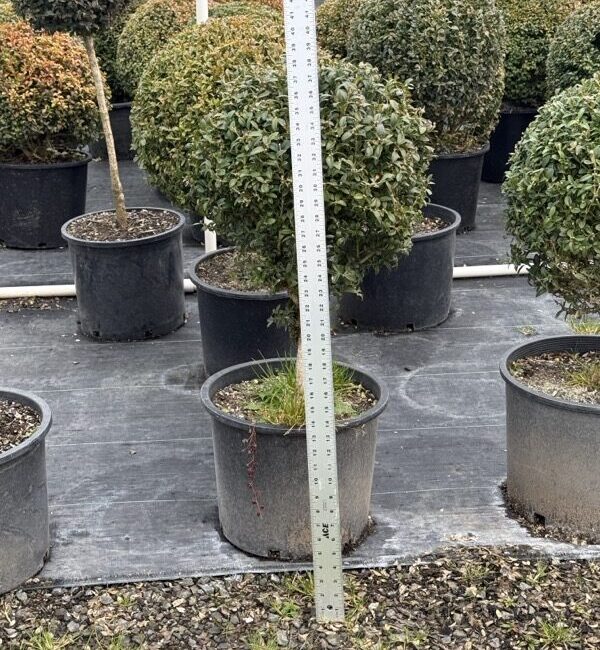
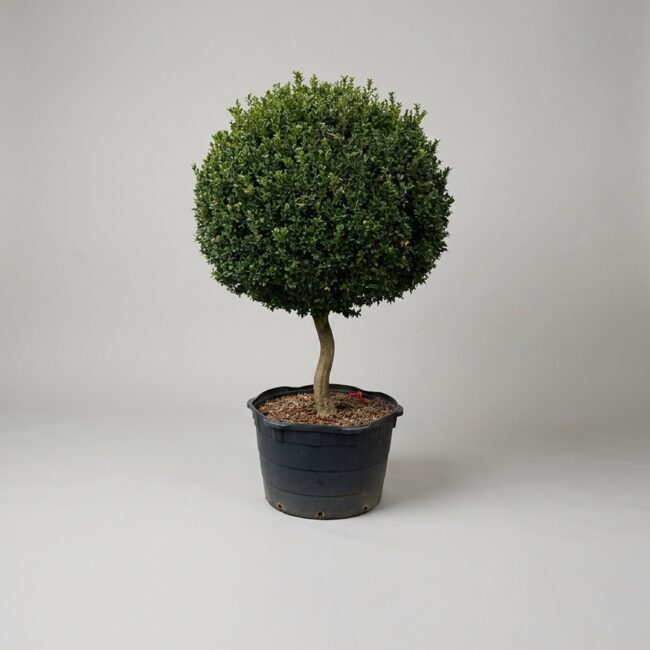
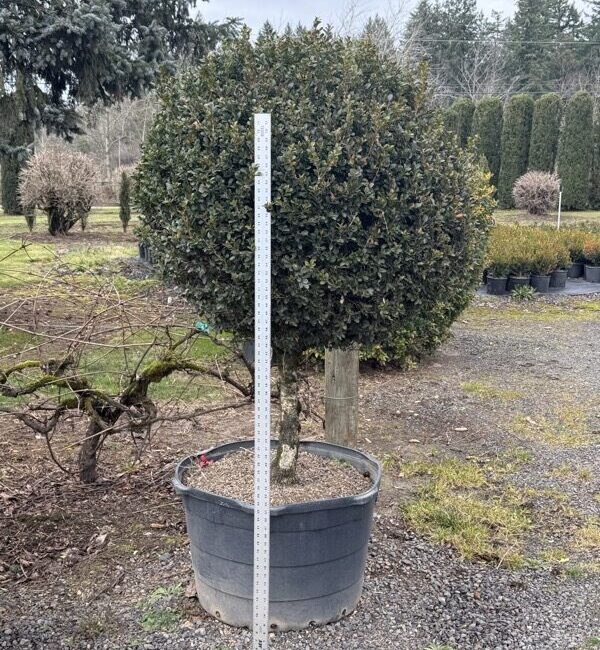
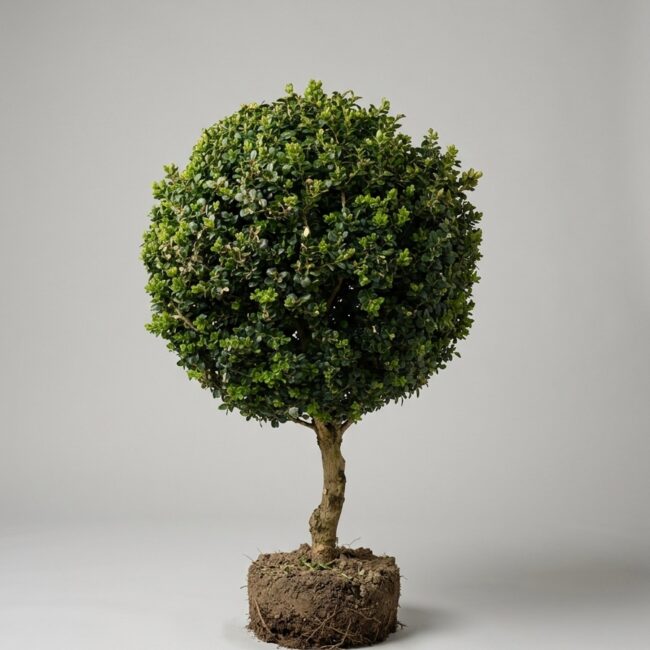
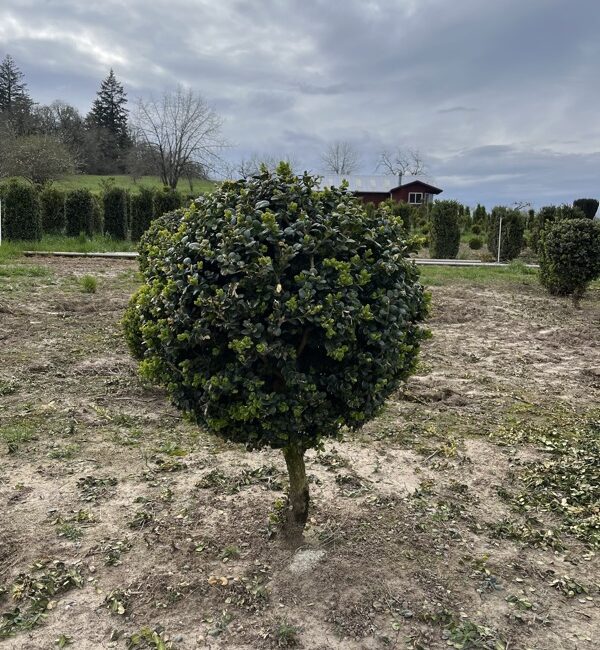
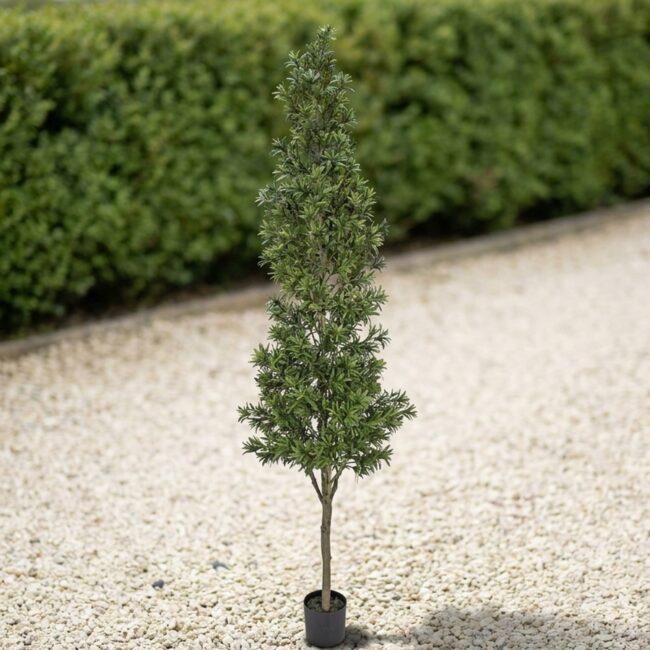
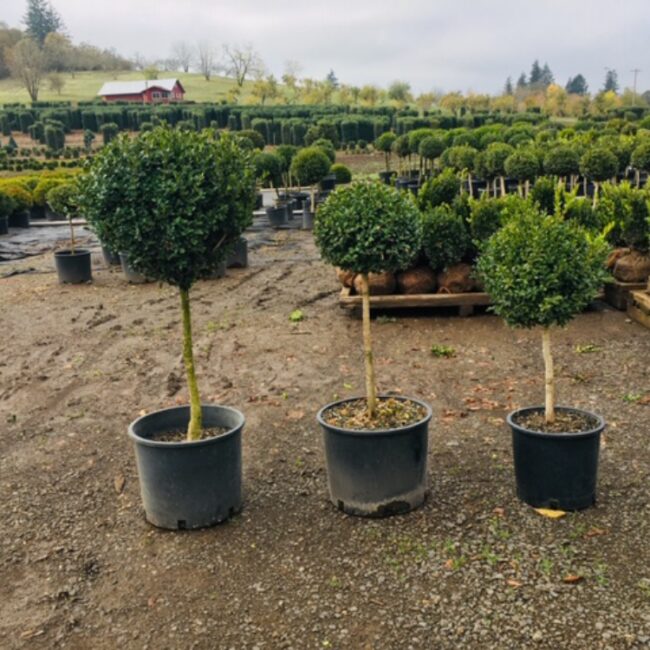
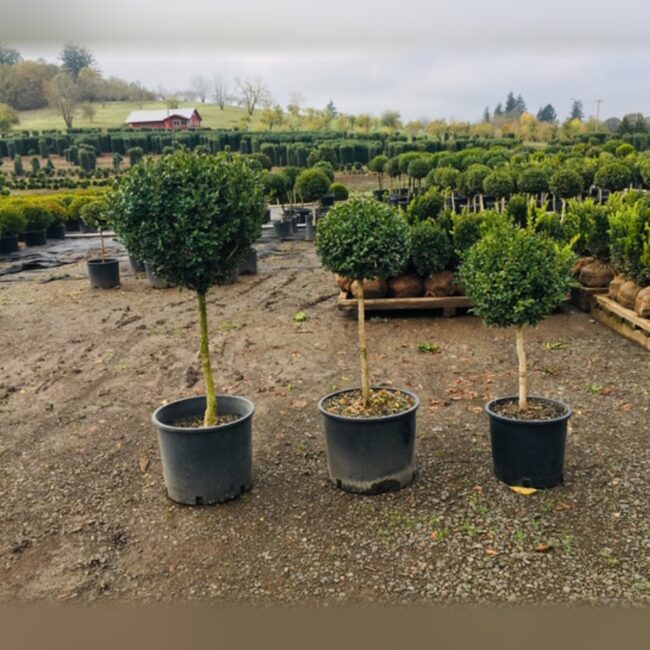
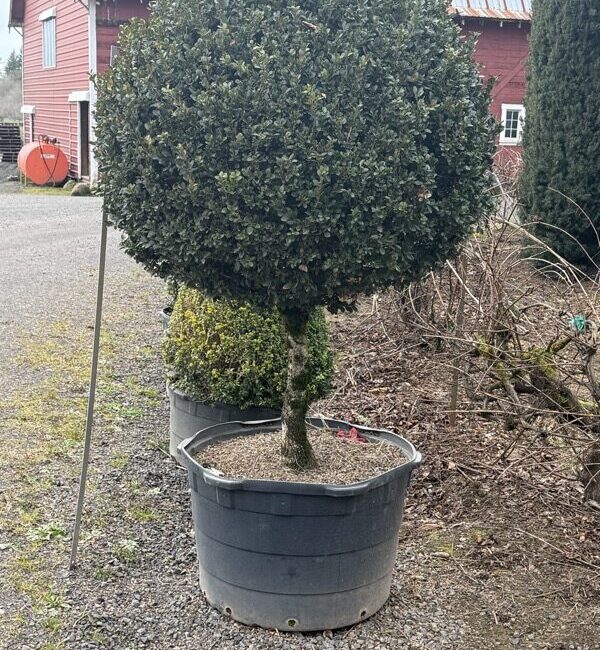
Live Rotundifolia Ball Topiary on a Stem, 42-48 x 33-36 in
Quoted with delivery
Not in stock right now
Need a size or shape you don’t see?
Tell us the space and the height. We will suggest pieces and quote them with delivery to your ZIP.
Why choose a live boxwood ball
A round shape is the easiest topiary to place. It softens a straight path, anchors a bed and looks right in a plain pot or a formal one. Boxwood holds that outline for years with little effort. The rows below answer what people ask before they buy: where a globe works, when a stem is worth it, and which foliage suits the light.
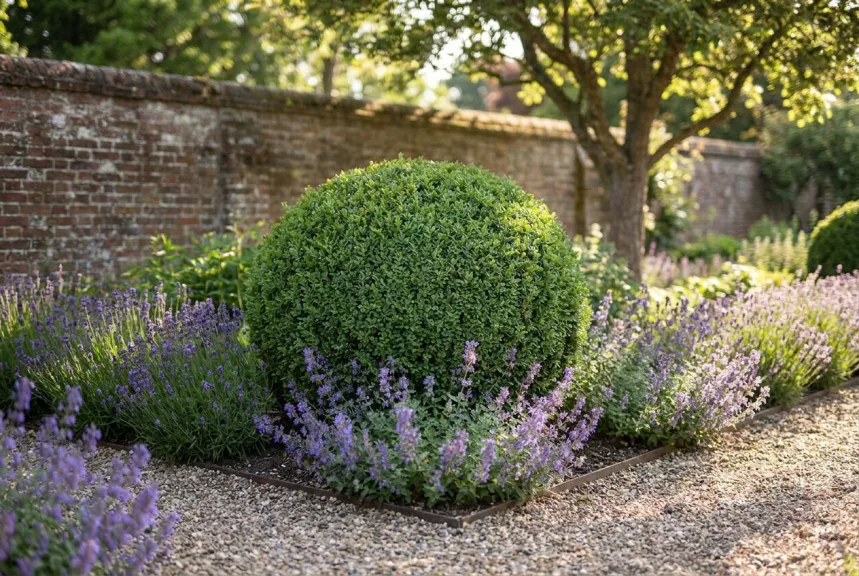
Boxwood globes as circle bushes in the garden
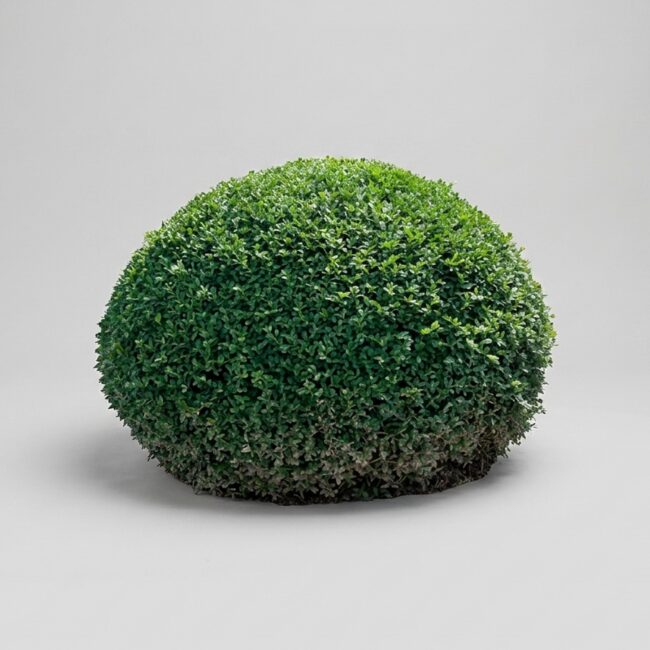
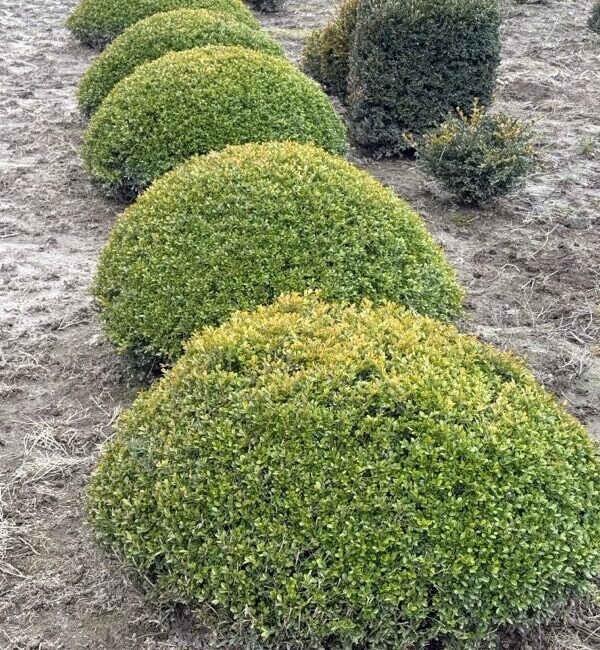
Planted in the ground, a boxwood globe is the round "circle bush" of formal gardens. One large globe can end a path or anchor the corner of a bed. Three in a row make a low edge.
The largest globes here are 58 to 65 inches tall, so measure the spot before you order. Boxwood roots are shallow. Keep mulch to about an inch deep and off the stem, and do not dig close to the plant.
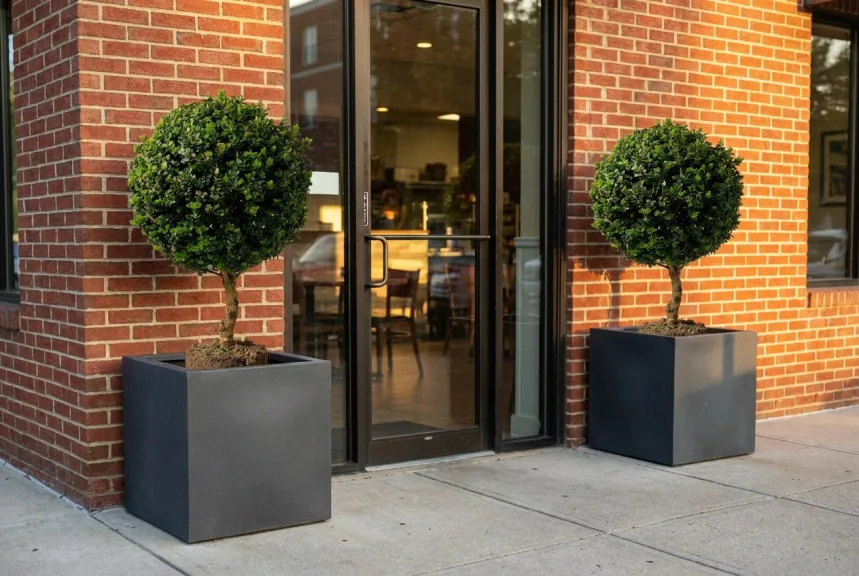
A ball on a stem as a small tree
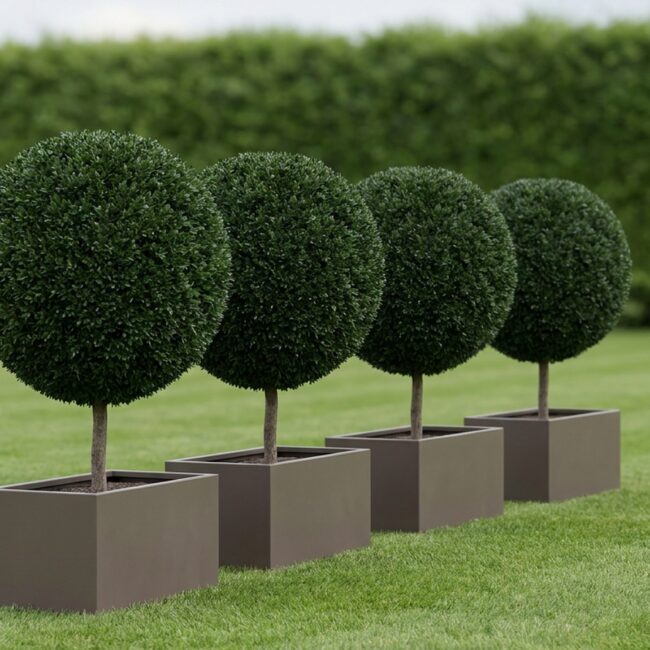
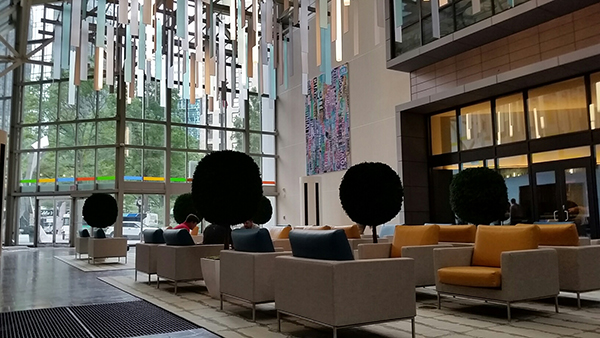
Lift the same round head on a clear trunk and it reads as a small tree. That extra height is why a ball on a stem suits a doorway, a restaurant entrance or the gap between two windows. A low globe would disappear there.
The 'Rotundifolia' ball on a stem has a head 33 to 36 inches across and comes with a 24 inch root ball, ready for a large container. Choose the planter before the tree arrives. What size planter a topiary needs gives the method.
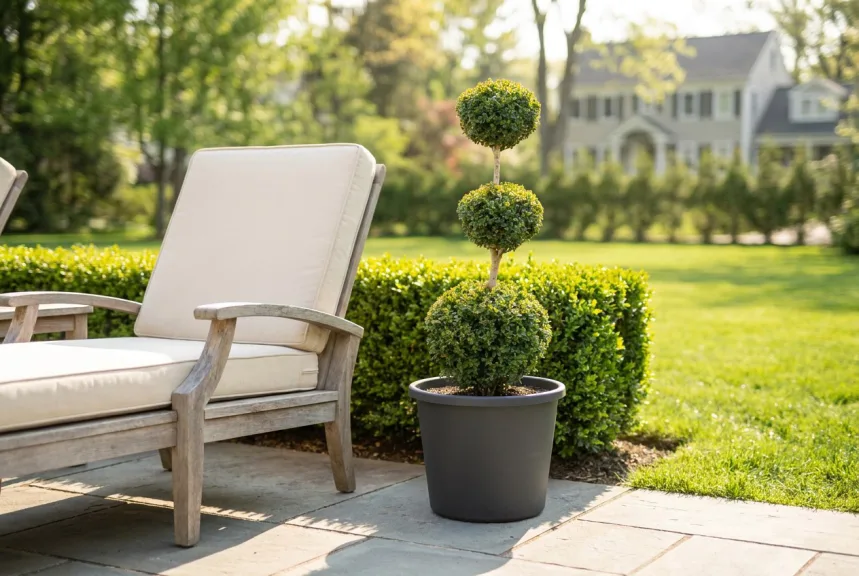
Double and triple balls for more height
Stacked balls give you height without bulk. A double or triple ball on one stem is narrower than a single globe of the same height, so it fits a tight corner of a terrace or the side of a narrow porch.
Each tier needs its own light trim once or twice a year, after the last spring frost. Every year or two, thin the foliage a little so air reaches the center of each ball. Double balls start at 21 inches; the tallest tiered forms reach 58 to 61 inches.
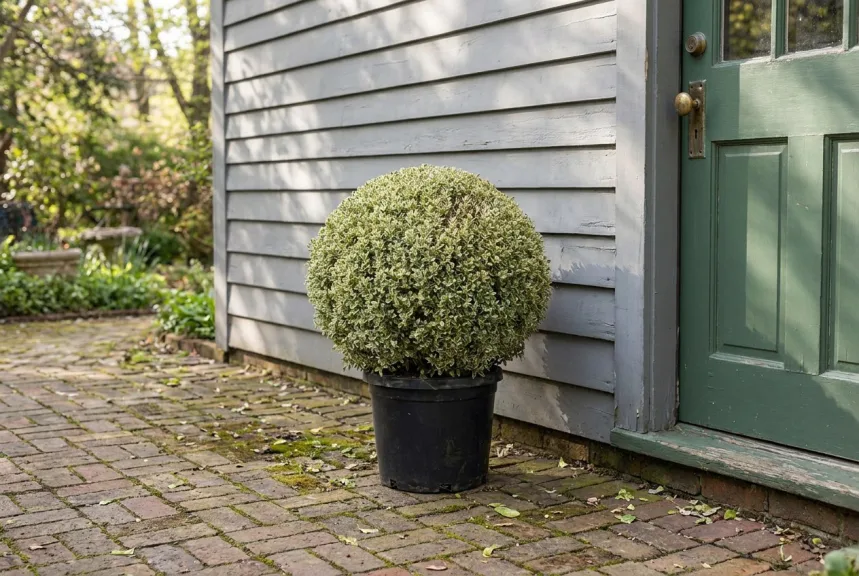
Green or variegated boxwood for your light
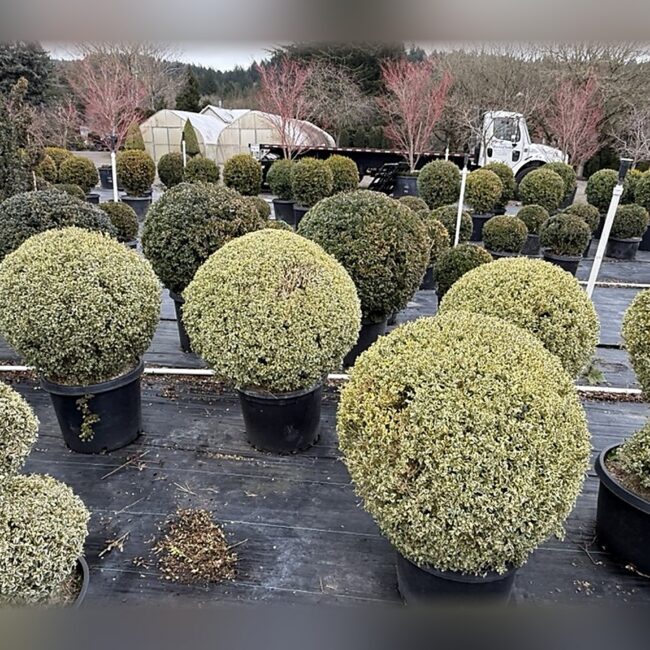
Most of these balls are plain green boxwood, which grows in sun or part shade but looks best with some shade in the afternoon. Variegated boxwood, with cream-edged leaves, is fussier. It should get no afternoon sun at all, and it is safest in zones 6 to 8.
That makes a variegated ball a better fit for an entrance that faces east or north. Boxwood facing south or southwest also suffers more winter burn. Not sure about your spot? Send us a photo and your ZIP code. Our team replies within hours, usually the same day.
Questions about Ball Topiary
What size boxwood ball should I buy?
Measure the spot and the planter first. Here the balls run from 12 inches to 84 inches, so there is a size for a step and one for a grand entrance. What size boxwood to buy goes through globes, balls and standards, and what size planter covers the pot.
What is a ball on a stem?
A sphere of boxwood clipped on a clear single trunk, so it reads as a small tree. Double and triple forms stack two or three spheres up the same stem. Here the tallest reaches 84 inches.
How much light does a live boxwood ball need?
Bright light, with some shade in the afternoon. Boxwood grows in sun or part shade but looks better out of hot afternoon sun, and variegated boxwood should get none. Indoors, a live ball struggles without a really bright spot; preserved or artificial is the better answer there.
Will a boxwood ball survive winter outside?
Yes, in the ground and within its zone. In a pot it is more exposed, so choose a plant rated one zone colder than yours. ‘Wintergem’ is the hardiest here. Water well before the ground freezes, and shelter a pot from southwest sun, which causes bronzing.
How often does a boxwood ball need trimming?
Once or twice a year, after the last spring frost. Avoid cutting in late summer or early fall. Every year or two, thin the ball so light and air reach the middle. Receiving your plant covers the first weeks.
Do you ship live boxwood balls?
Yes, across the US. Smaller balls go UPS Ground in a custom box, and nine listings can go straight in the cart. The tall tiered forms and balls on a stem go by freight, quoted with delivery.
Is boxwood safe for dogs and cats?
No. The ASPCA lists boxwood as toxic to dogs, cats and horses; eating it can cause vomiting and diarrhea. Place a ball where pets will not chew it. Deer usually leave boxwood alone.