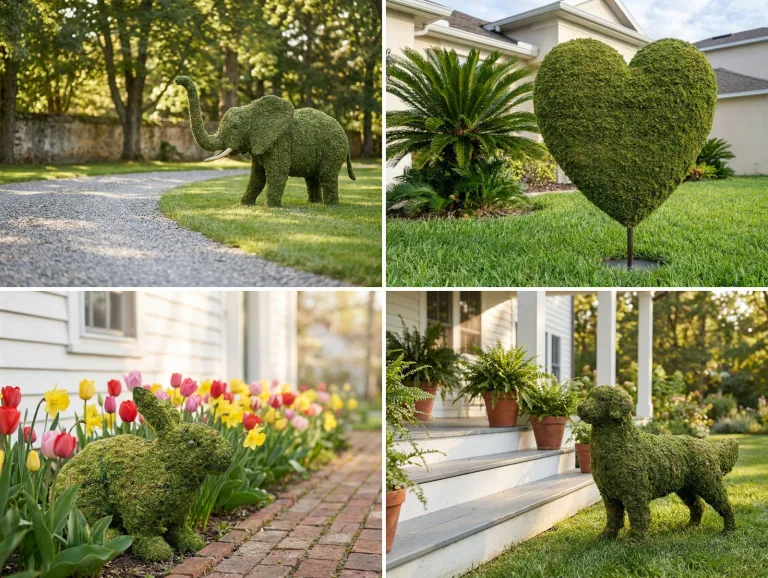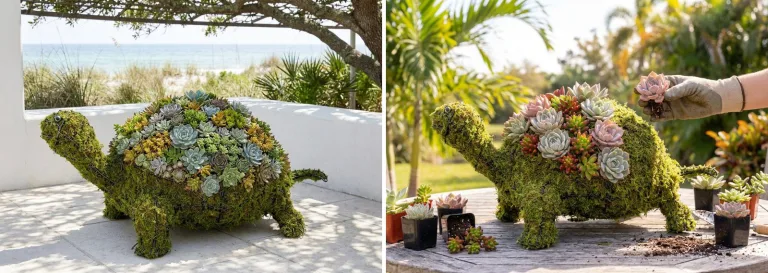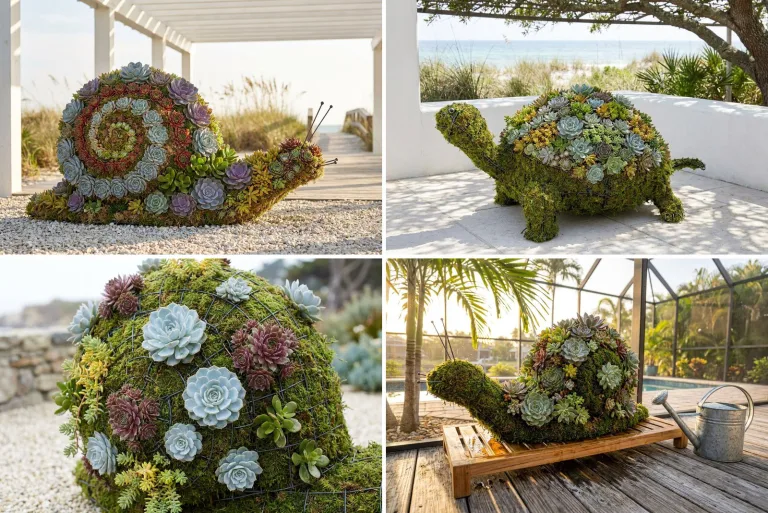

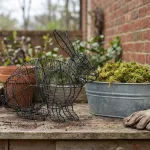

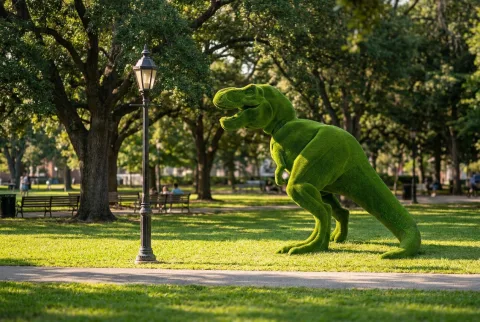
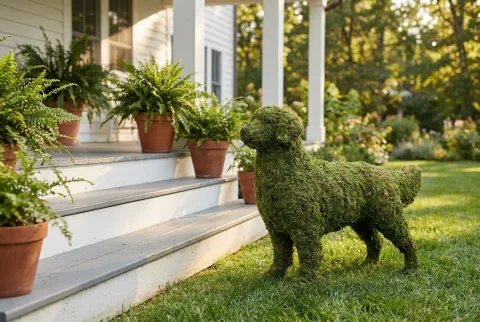
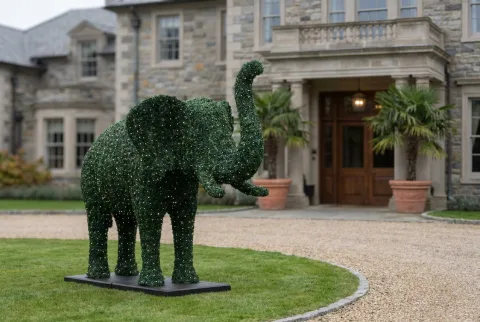
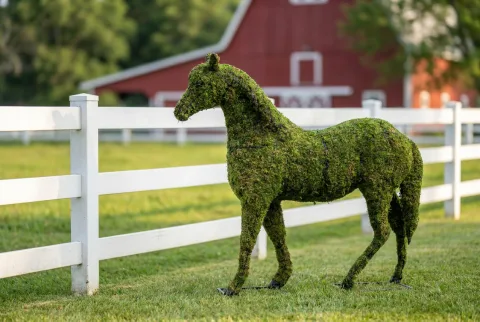
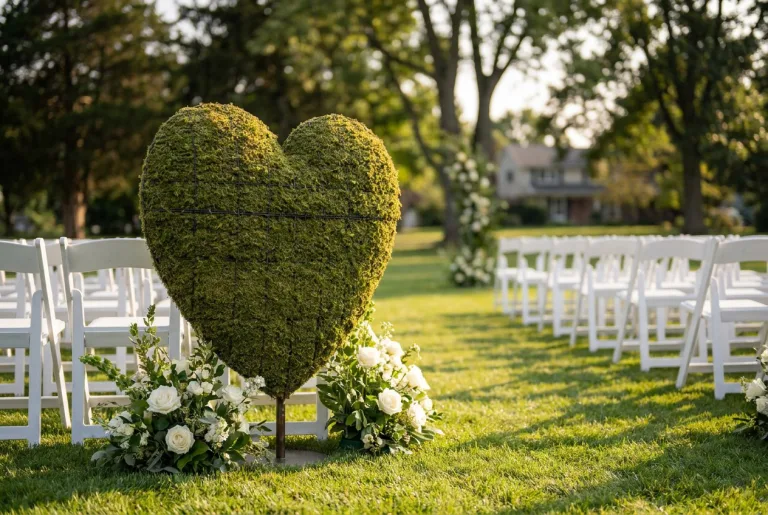
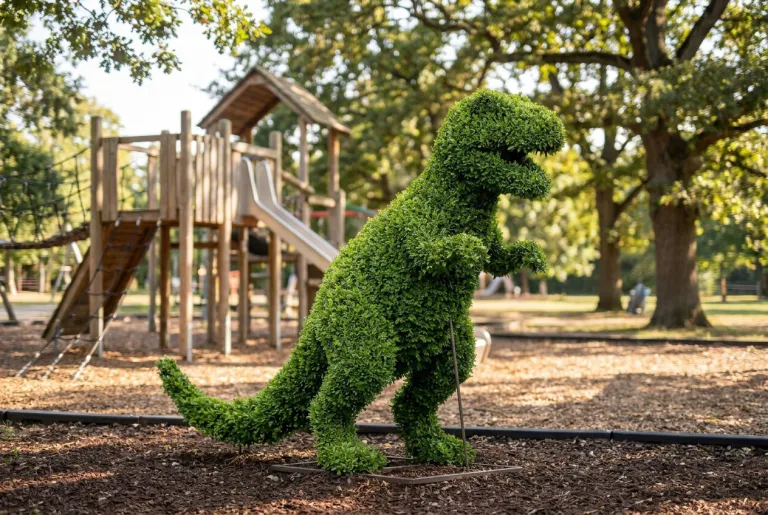
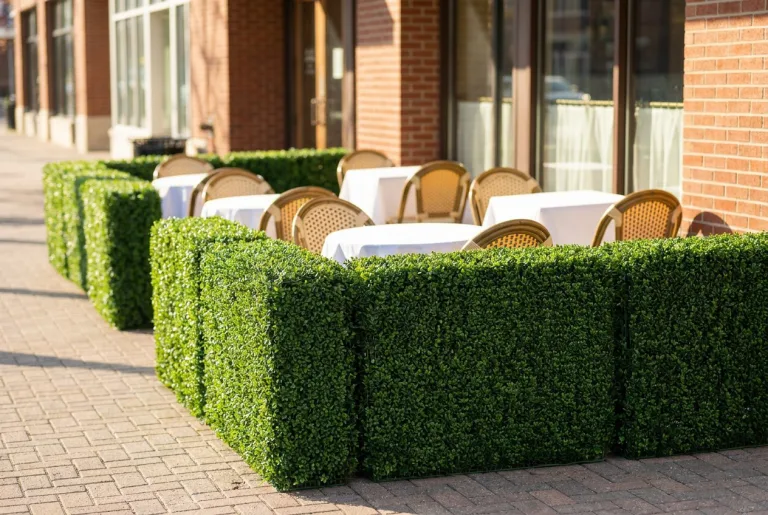
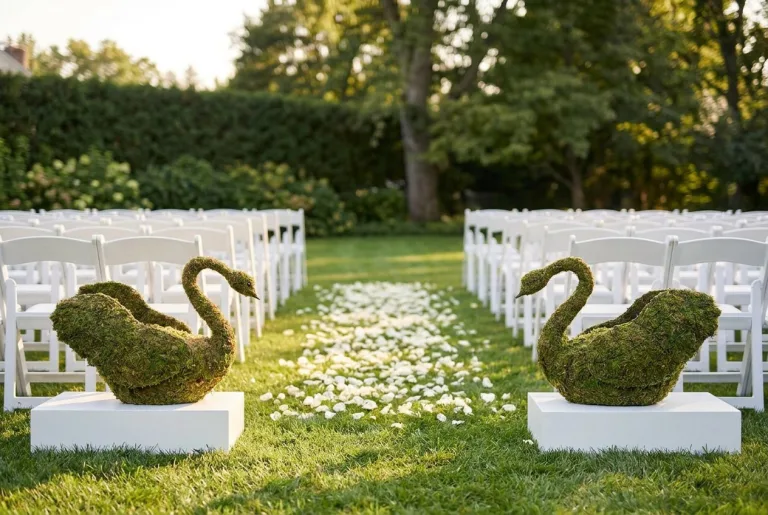


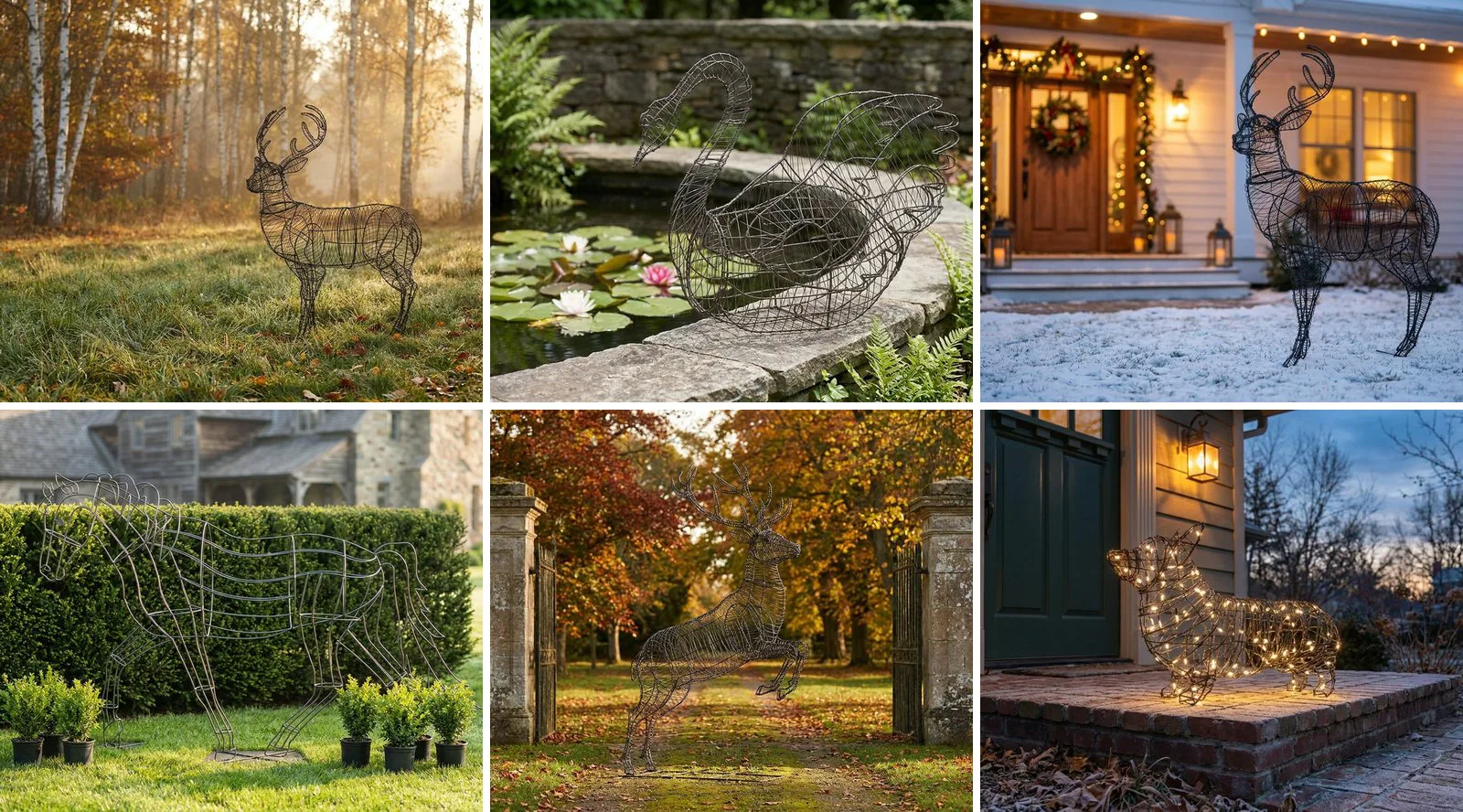
Wire topiary frames are useful in landscape design because they give a garden a shape on the day they go in. Left bare, a steel frame reads as a line drawing of an animal against a lawn or a hedge.
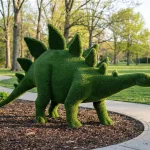
Planted, it becomes a green sculpture over one to three seasons. And in winter, when beds are empty, it still holds its outline.
Here are the places a frame does the most work, with ideas for each. For materials, gauge and sizes, see our buyer’s guide to wire topiary frames.
1. A focal point at the end of a view
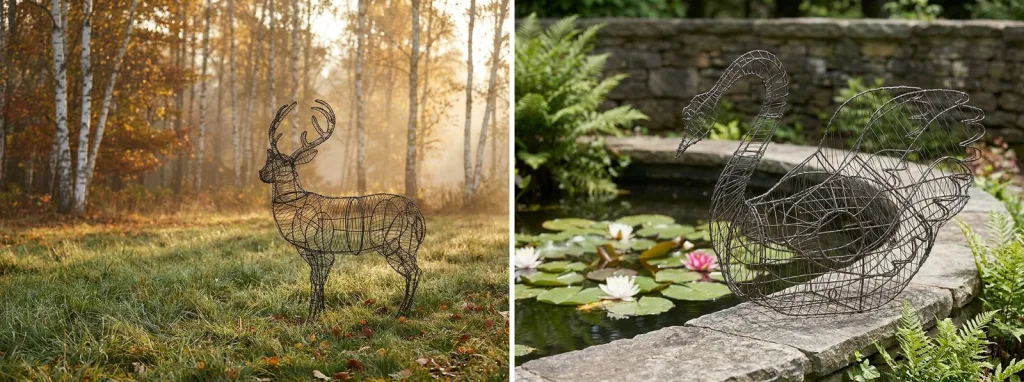
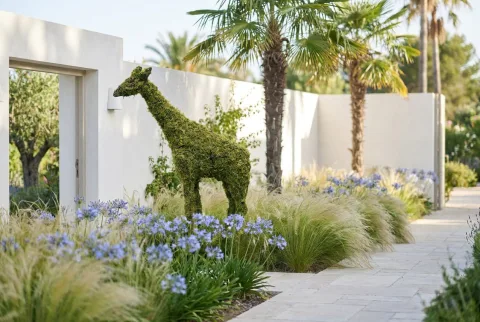
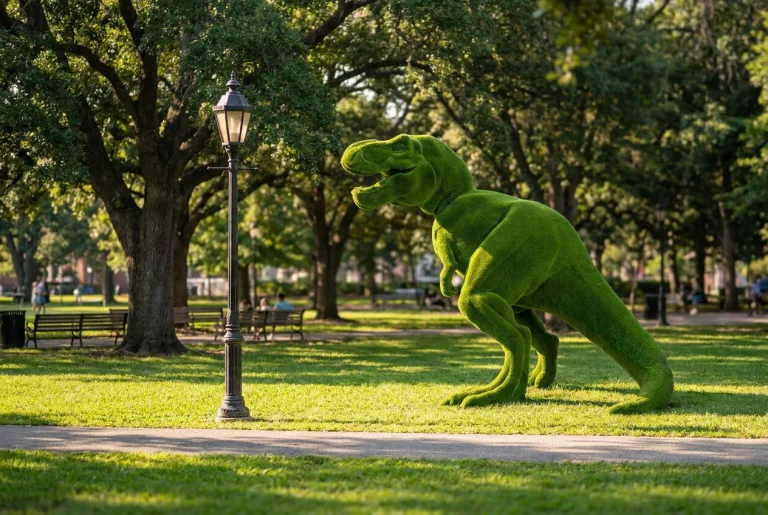
A frame works best where people already look. Try the far end of a lawn, the bend in a path or the edge of a pond. A single deer or heron gives the eye somewhere to stop, and the open wire lets the view carry on behind it.
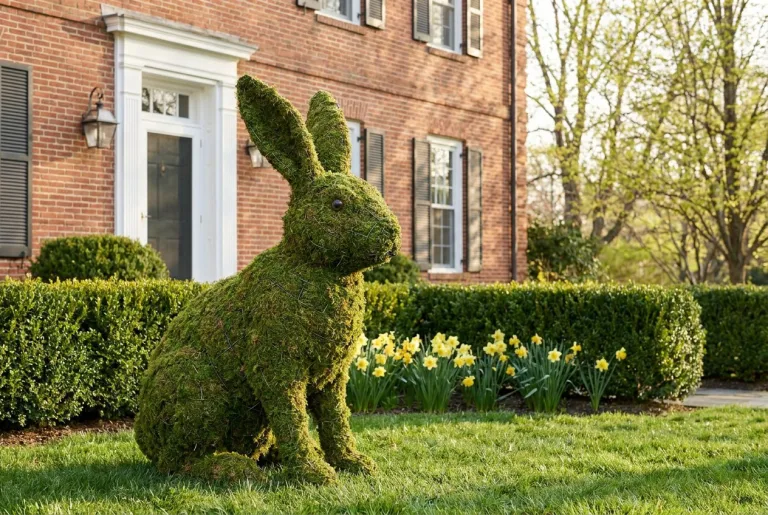
Size it for the distance. Outdoors a frame looks about one size smaller than it measures, because nothing around it gives scale. A 52 inch deer holds its own across a lawn. A 13 inch rabbit belongs where people pass close by.
2. Structure in a border
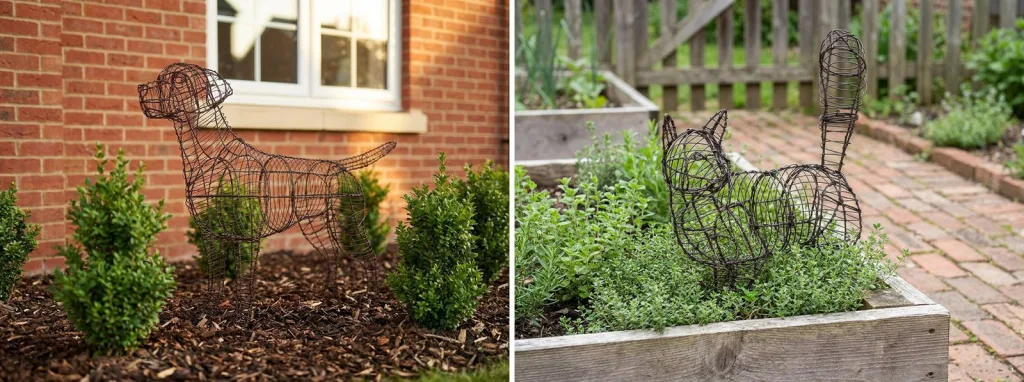
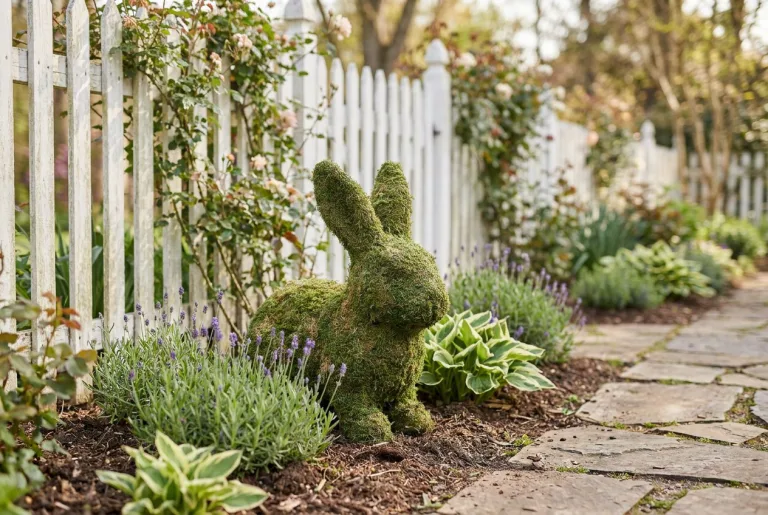
A new bed looks thin for its first year or two. A frame set among the young plants gives it height and a clear shape straight away. As the planting grows, the frame can stay bare, or you can let a climber such as ivy grow up into it.
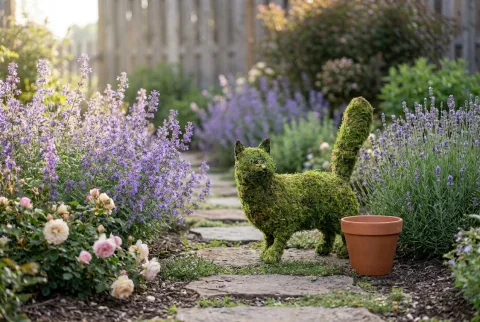
Frames also suit vegetable and herb beds, where a rabbit or a cat among the lettuces adds a little humor to a plain space.
3. Winter structure
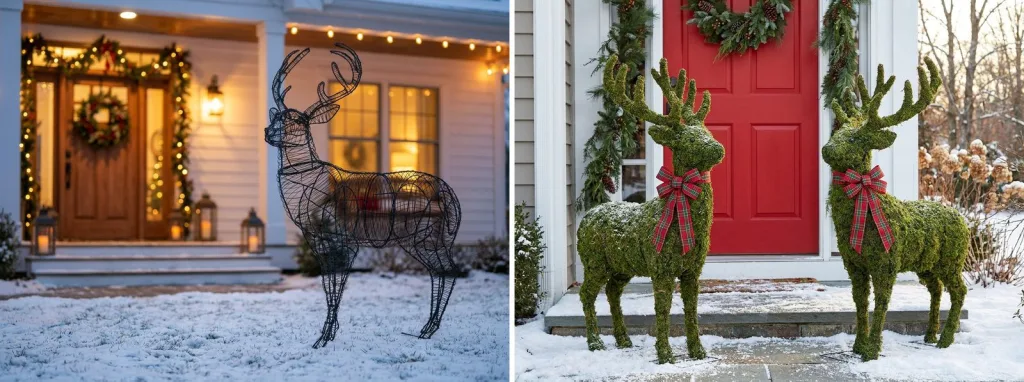
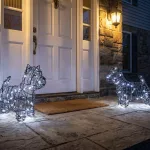
Most gardens lose their shape in winter. A steel frame does not. Snow on the rods picks out the outline, and a frame by the front door can carry lights or a bow through the holidays. Galvanized or powder-coated frames can stay out all year.
4. A template for a live hedge animal
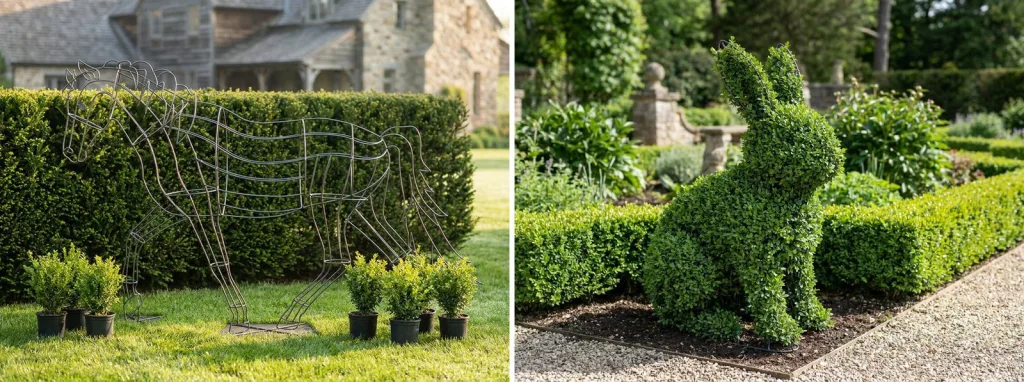
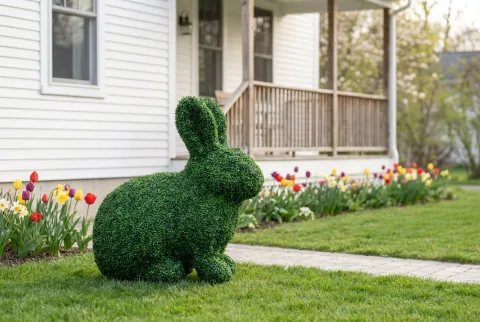
Large hedge animals are made by setting a frame over young shrubs and clipping every shoot that grows past the wire. Boxwood, privet and euonymus all work. It takes several years, but the frame means you never have to judge the shape by eye.
Once the shrub fills the frame, you can leave the frame in place as a guide for trimming. From then on it needs the same two cuts a year as any boxwood.
5. Entrances, gates and driveways
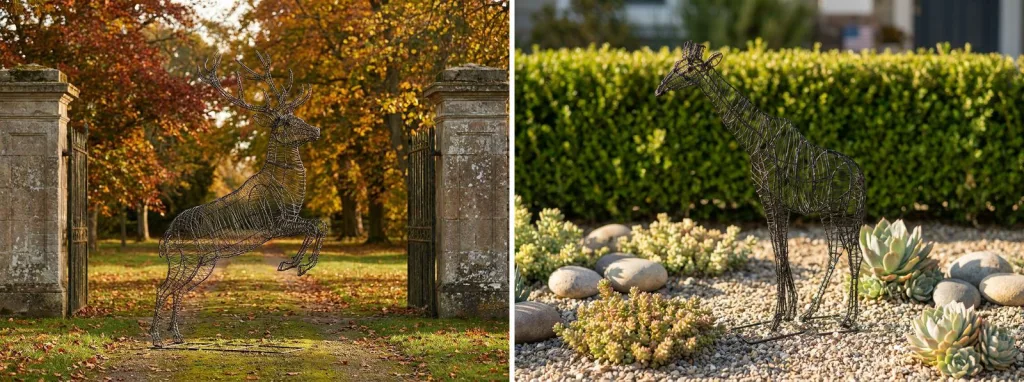
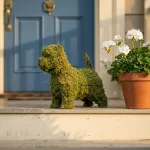
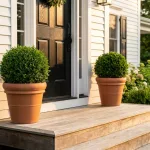
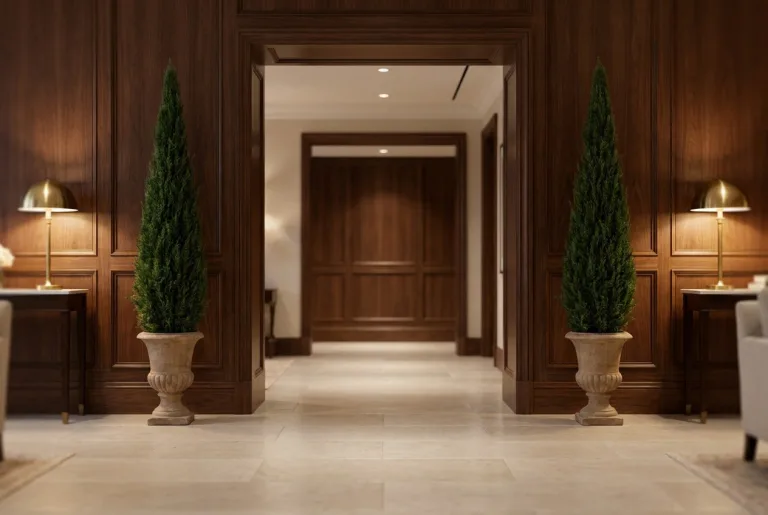
A frame at a gate, beside a mailbox or at the top of a drive marks the entrance without blocking the view. Pairs work well either side of a gateway. For a business, a large animal at the entrance works like a sign that people remember.
Anchor any frame near a drive or a path. On gravel or paving, weight or bolt the base so it cannot tip if someone brushes it.
6. Groups and scenes
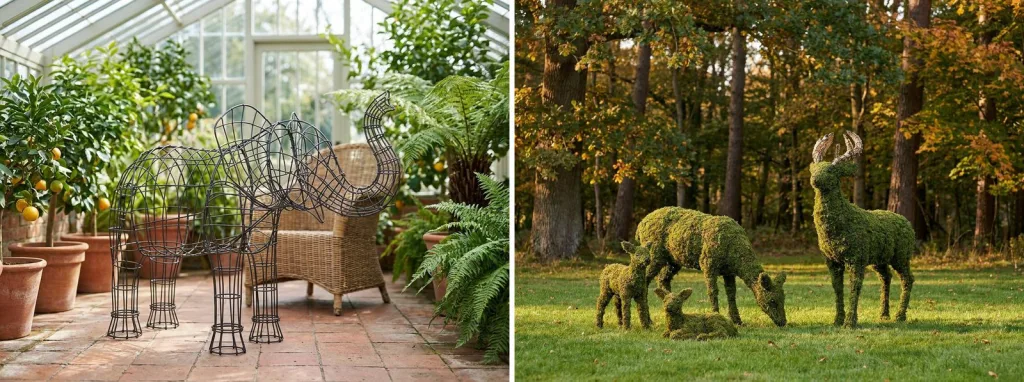
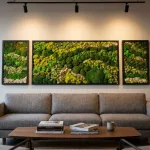
Two or three frames set together make a scene. A doe and a fawn by the woods, a pair of swans on a pond, a herd in a conservatory. Mix bare frames with mossed ones for contrast, or keep them all the same finish for a calmer look.
7. Lit frames after dark
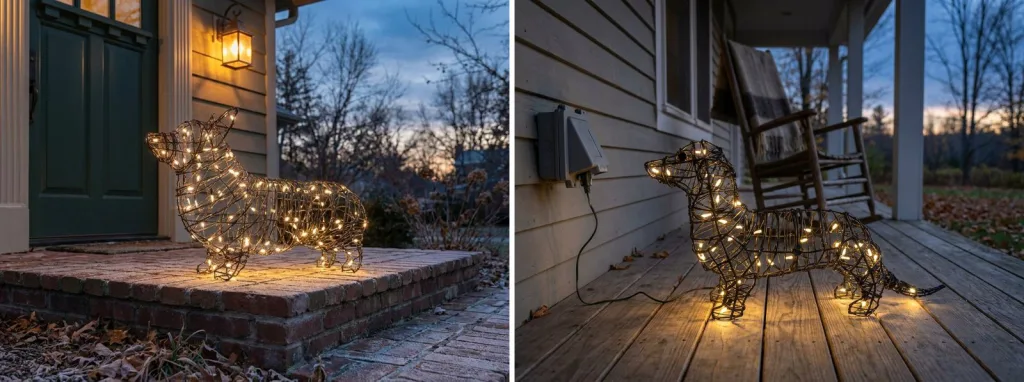
A frame wrapped in mini lights turns the same outline into a glowing one after dark. It suits a front step, a porch or a restaurant patio. Our lighted animal topiary arrives with the lights already fitted.
Choosing a frame for a landscape project
- Bare frames in 44 animals, from a small turtle at $57 to a 60 inch moose, are in wire frame animal topiary.
- Finished mossed animals are in mossed animal topiary.
- A shape we do not list can be built to order: see custom-made topiary.
- Landscapers and designers ordering for client projects can ask about trade pricing on wholesale topiary.
Quick answers
Can wire topiary frames be left bare in a garden?
Yes. A galvanized or powder-coated steel frame can stand bare outdoors all year as a sculpture.
How do you use topiary frames in landscaping?
As a focal point at the end of a view, as structure in a new bed, as winter interest, or as a template for training a shrub into an animal.
Do wire frames need maintenance?
A bare frame needs almost none. Check the anchoring after a storm. A planted frame needs the same watering and trimming as the plants on it.
Some photographs on this page are staged illustrations of how a frame can be used.