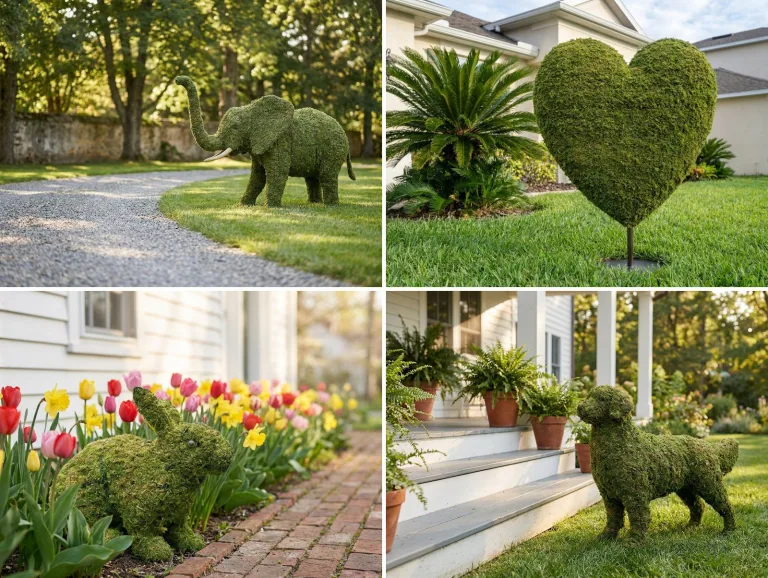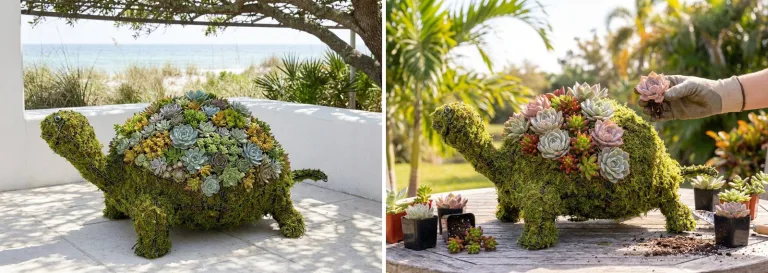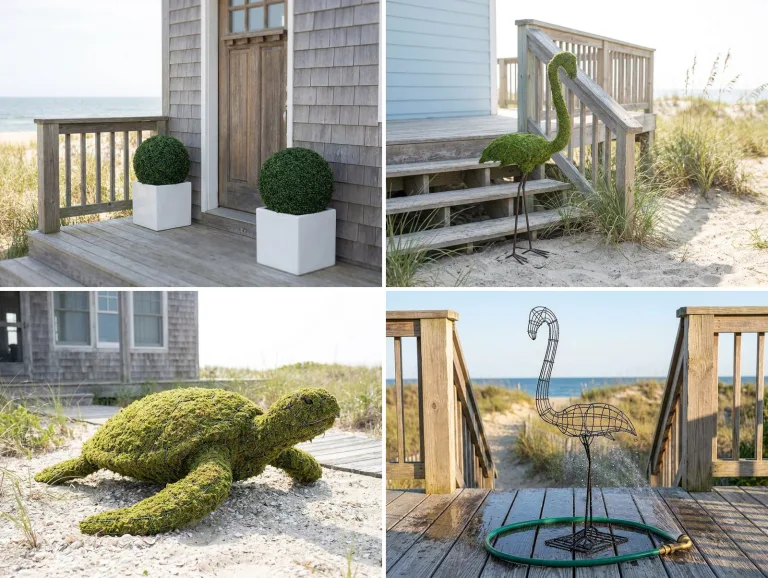




























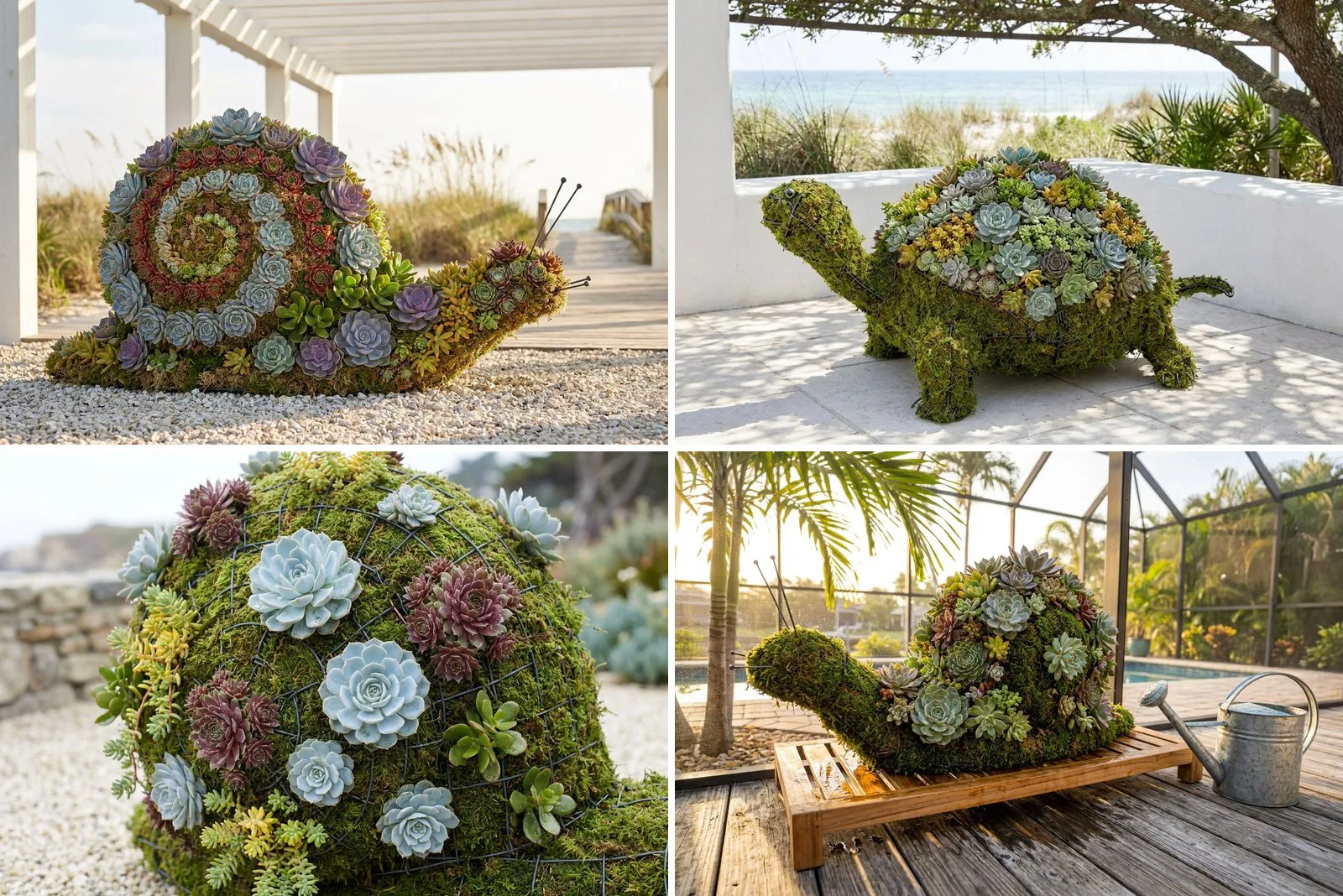
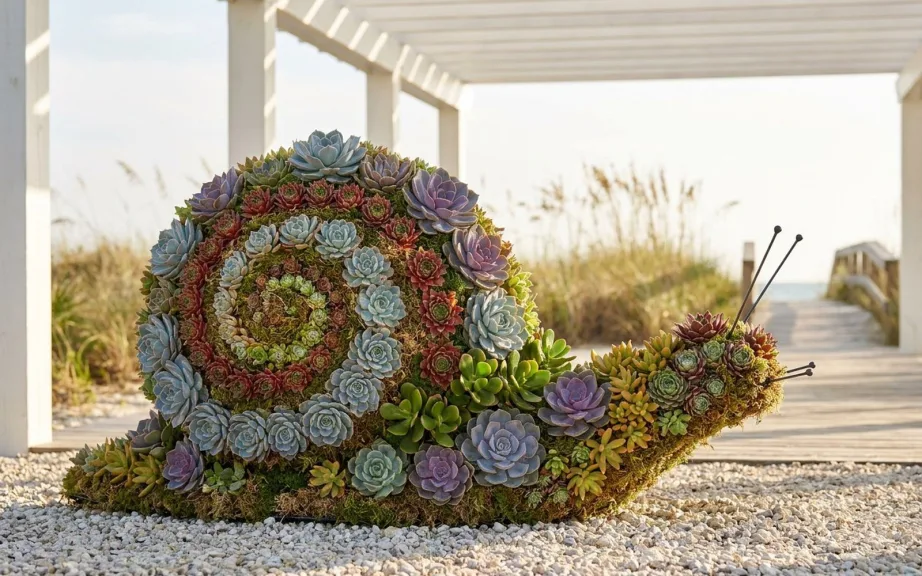
A succulent mosaic topiary survives on a Florida beach coast if you give it morning sun and afternoon shade, shelter from the wind, a fast-draining mix and very little water. Water it only when the moss is dry, in the morning, about every 10 to 14 days in summer.
A mosaic topiary is a wire frame packed with sphagnum moss and planted with small succulent rosettes, so the colors make a pattern across the shape. The coast is hard on one: strong sun, humid heat, steady wind and salt air, with heavy rain from about May to October. Here is how to set one up so it lasts.
Coastal care at a glance
| Need | What to do |
|---|---|
| Sun | 4 to 6 hours of morning sun, shade after midday |
| Wind | Behind a wall, hedge or house corner; frame anchored |
| Water in summer | Every 10 to 14 days, only when the moss is dry |
| Water in winter | Every 3 to 4 weeks |
| Rainy season | Stop watering; make sure it drains |
| Salt spray | Rinse with fresh water after a storm |
Which succulents work in a mosaic topiary
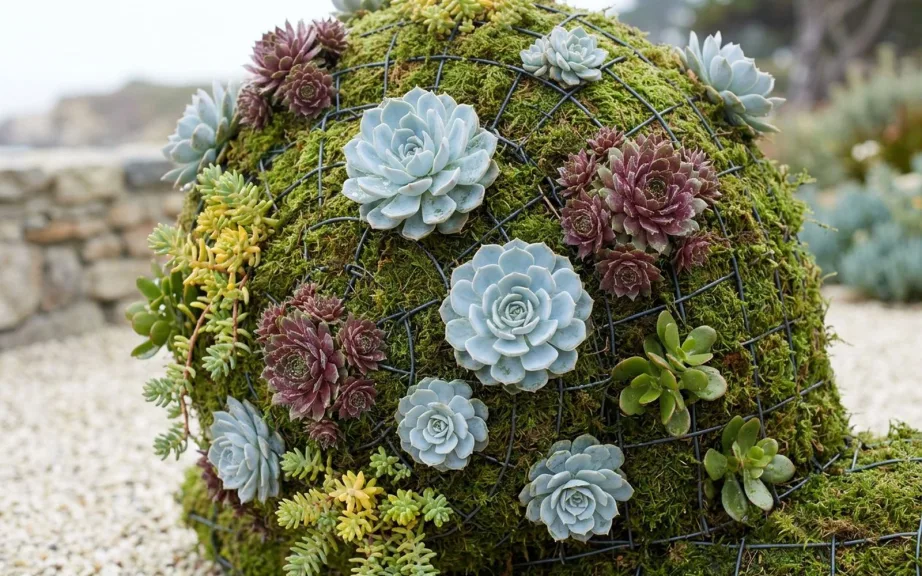
Rosette succulents cope best with the small root space in a moss-filled frame. The usual mix is Echeveria for color, Sempervivum (hens and chicks) and Sedum for toughness, and small Crassula for structure. Sedum also trails over edges and fills gaps.
Space the rosettes a little apart instead of packing them tight. An open planting dries out faster after rain and lets air move between the plants, and both matter in humid heat. The rosettes make offsets as they grow, so the gaps close within a season or two.
Sun: morning light, afternoon shade
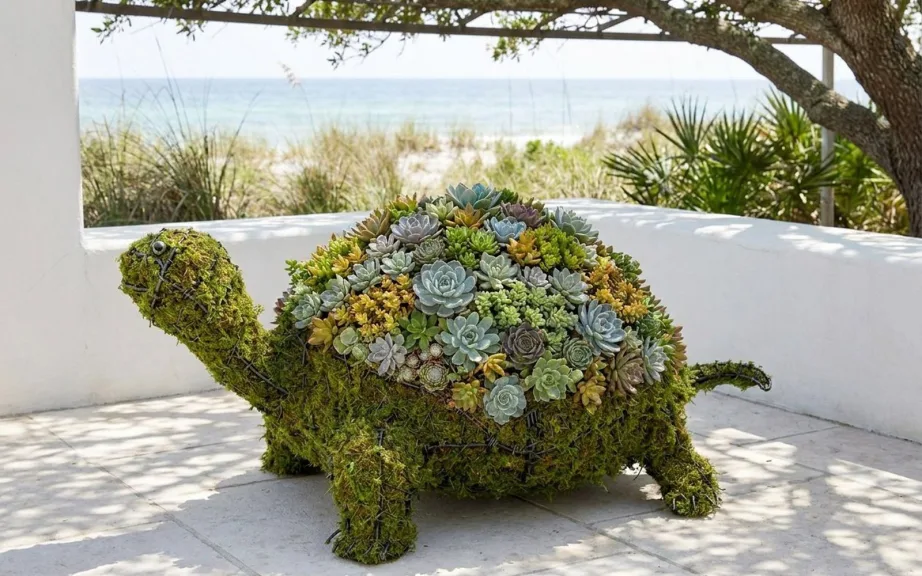
Aim for four to six hours of direct morning sun, then filtered shade in the afternoon. A pergola, a tree canopy, shade cloth or the shadow of a building all work. Humid coastal heat is harder on succulents than dry desert heat at the same brightness.
Color is the warning sign. Rosettes that fade from purple or red toward pale green, or show bleached patches on top, are getting too much sun. Rosettes that stretch and open up are getting too little.
Wind and salt
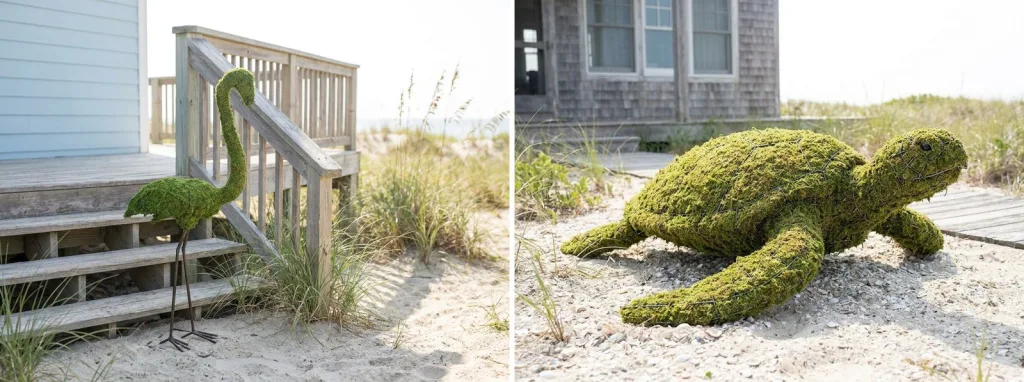
Wind off the water dries the moss fast and rocks the frame. Put the piece where a wall, a hedge or the corner of the house breaks the gusts. Anchor the frame with stakes or a heavy base so it cannot move, because movement tears the new roots.
Top-dress the moss around the plants with a thin layer of fine gravel. It slows drying and keeps the surface from blowing away. After a storm with salt spray, rinse the plants gently with fresh water.
Water: less than you think
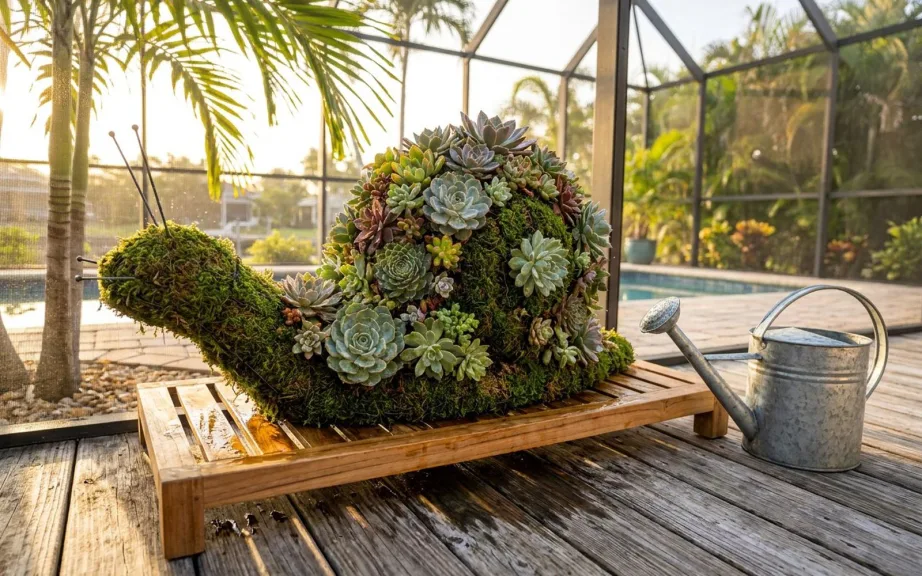
Too much water kills more coastal succulent topiary than sun or salt. Humid heat means the moss dries slowly and roots rot fast, so hold back. In summer, water about every 10 to 14 days, and only when the moss feels dry an inch in.
In winter, every three to four weeks is usually enough. During the rainy season you may not need to water at all.
Water in the morning, never late in the day. Warm nights on wet moss invite fungus and rot. Stand the piece on slats, gravel or feet so water can run out of the bottom, and never leave it in a saucer.
The growing mix and the frame
Succulents need sharper drainage than moss alone gives them. Work a gritty mix into each planting pocket: roughly half pumice, a third coarse sand and the rest cactus soil. Then press the rosette in and pin it with a floral pin until it roots.
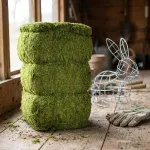
Salt air also corrodes bare steel. A frame that will live on the coast needs a finish made for it. The coastal frame finish guide explains the options. For packing a frame with moss, read how to add moss to a topiary frame.
Quick answers
How often do you water a succulent topiary?
About every 10 to 14 days in summer and every three to four weeks in winter, and only when the moss is dry an inch down. Water in the morning and let it drain completely.
Can a succulent topiary stay outside in Florida?
Yes, all year in most of Florida, if it gets afternoon shade and good drainage. Protect it from the rare hard frost in the north of the state by moving it under cover for the night.
Why are my succulent rosettes losing color?
Fading from purple or red toward pale green, or bleached tops, means too much sun. Move the piece to where it gets shade after midday.
What moss is used in a succulent topiary?
Long-fiber sphagnum moss. It holds the shape, gives the roots something to grow into and drains well when mixed with grit. See sphagnum moss care.
For a frame to plant yourself, browse the wire topiary frames. For a finished piece in any shape, see custom topiary; our team replies within hours, usually the same day.
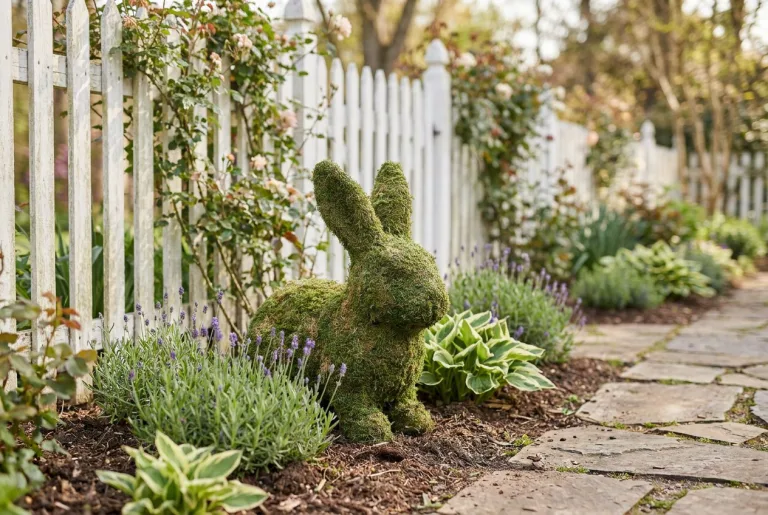
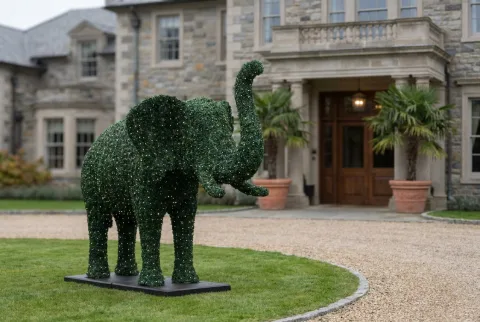
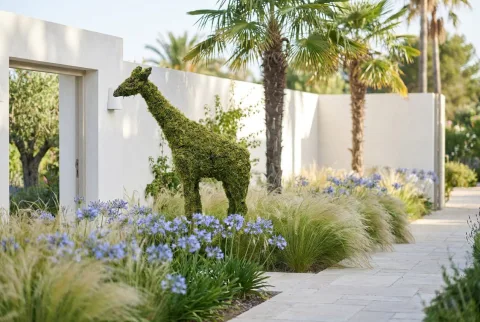
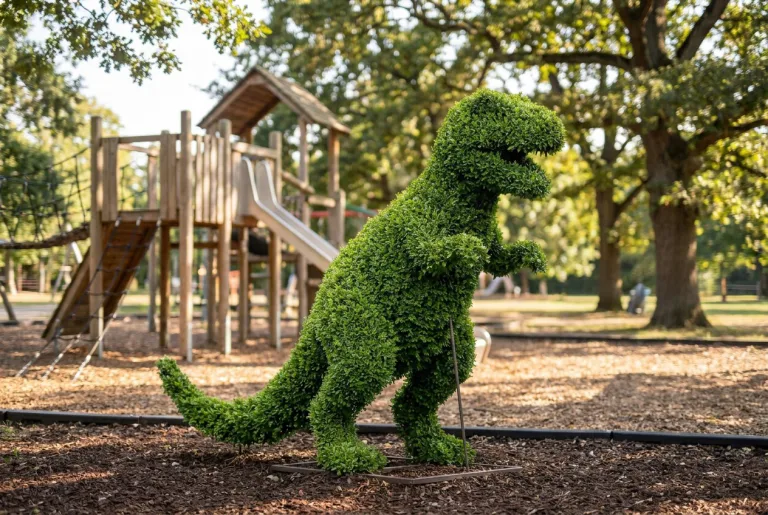
The succulent topiaries on this page are staged illustrations. We do not stock planted succulent pieces.