

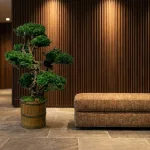
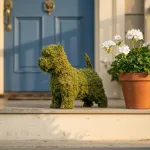
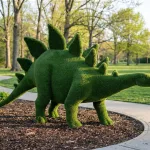

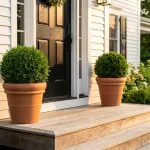



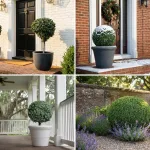


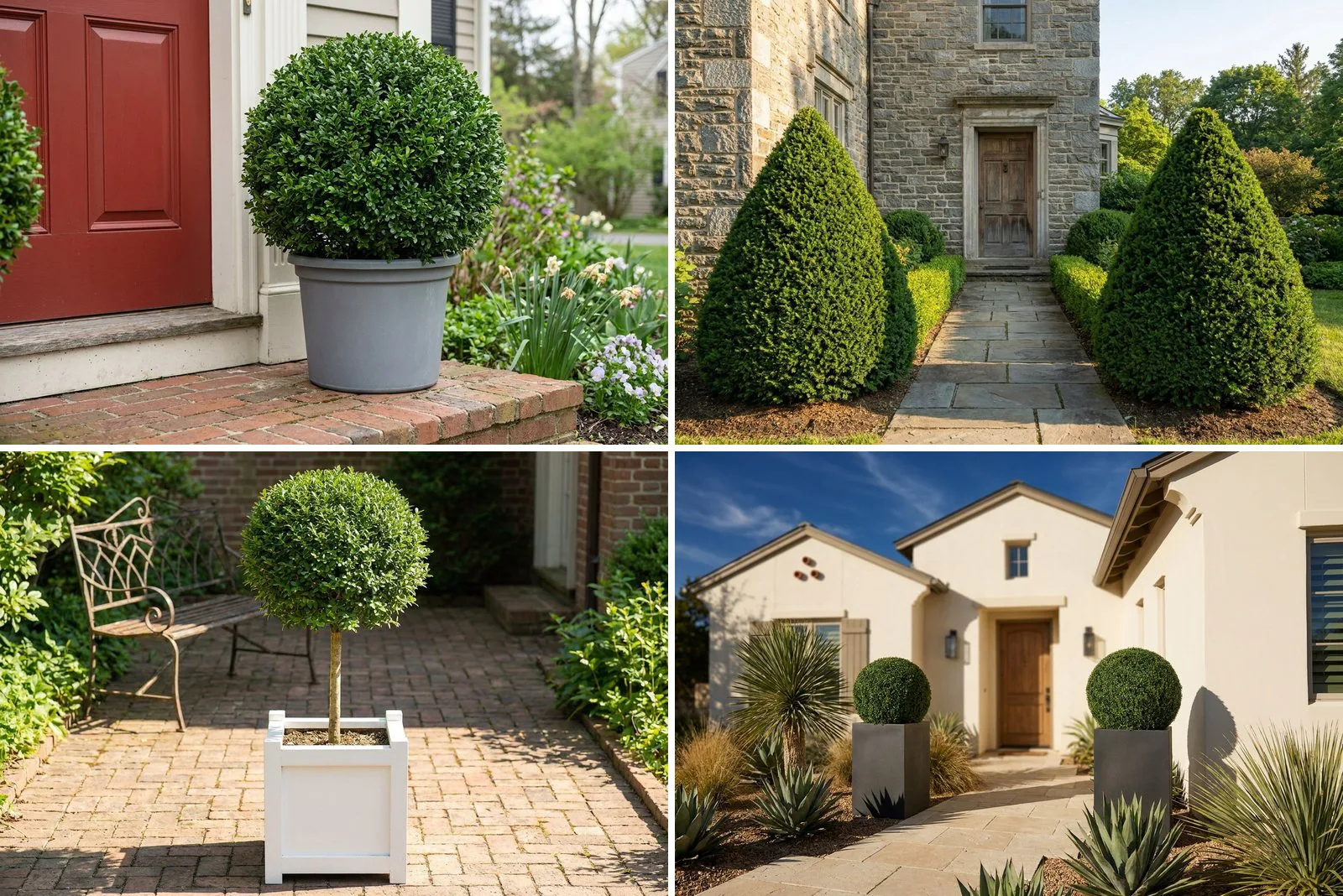
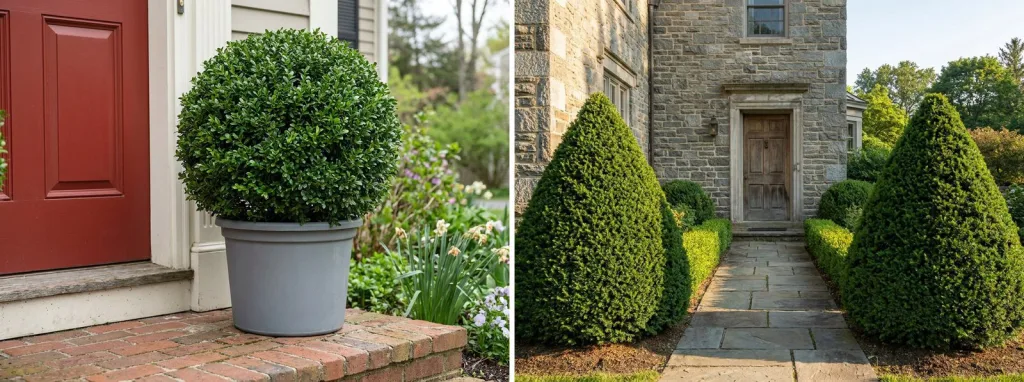
Japanese holly, podocarpus and yew are the closest alternatives to boxwood for a clipped shape. Japanese holly is the best match for small balls and low hedges, podocarpus suits warm climates, and yew suits large shapes. Start with those three if boxwood blight or box tree moth has put you off planting more boxwood.
Boxwood is still the best clipped evergreen where blight has never appeared, so replace it only where you have a reason to.
When boxwood is still right
No other plant does all five things boxwood does. Its leaves are small enough to take a crisp edge, it grows slowly enough to hold a shape between cuts, it tolerates shade, deer leave it alone, and it keeps its color through January.
Boxwood is still the best plant for the job if the garden has no history of blight, air moves through the spot, and you are not planting a long, unbroken run for a problem to travel along.
The defenses that work are about growing conditions more than sprays: airflow, no overhead watering, and no clipping into a sealed shell that holds moisture in the middle. The boxwood diseases guide covers them, and the zone guide covers cultivar choice.
The three that clip closest to boxwood
| Plant | USDA zones | Best for |
|---|---|---|
| Japanese holly | 5 to 8 | Small balls and low hedges |
| Podocarpus | Warm areas, about 8 and south | Balls and hedges in the South |
| Yew | 4 to 7 | Large cones, columns and hedges |
Japanese holly (Ilex crenata) is the closest substitute. It has small dark leaves, takes clipping well and looks like boxwood at a glance. Blight does not attack it. It wants more moisture than boxwood and dislikes alkaline soil, which is the usual reason it fails when it does.
Podocarpus is excellent in warm regions and holds a clipped shape cleanly. Its leaves are longer and narrower, so it looks different up close. From a few steps away it does the same job.
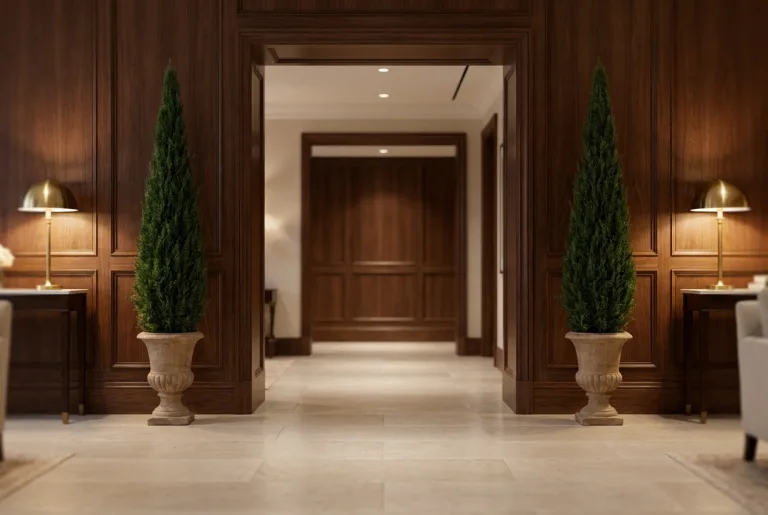
Yew (Taxus) is the great clipped evergreen for large shapes and hedges. It is slower to establish and very long-lived, and it regrows from old wood better than almost anything, so it suits big formal forms. It also grows in shade.
Yew is poisonous to people, pets and livestock, which matters where children or animals are around.
The ones that disappoint
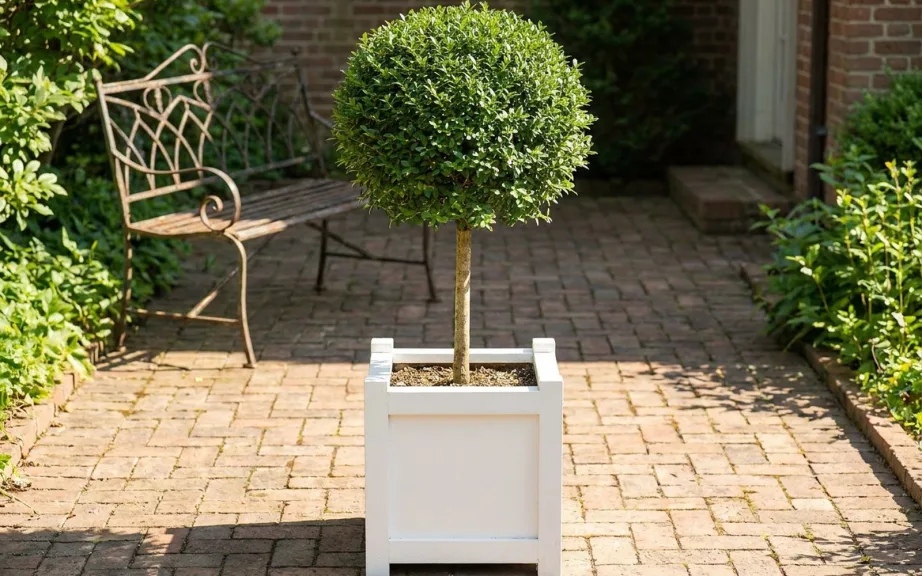
Privet, euonymus and Lonicera nitida are often sold as boxwood substitutes. For a clipped shape, all three are poor swaps.
Privet clips well and grows fast, and that is the problem. It needs cutting several times a season to hold a shape, and it can drop many of its leaves in a cold winter.
Euonymus is tough and takes clipping. The variegated forms look busy rather than formal up close. It is fine for a mass planting and less good as a single specimen.
Lonicera nitida grows too fast and too loose to hold a crisp small shape for long.
The option nobody mentions
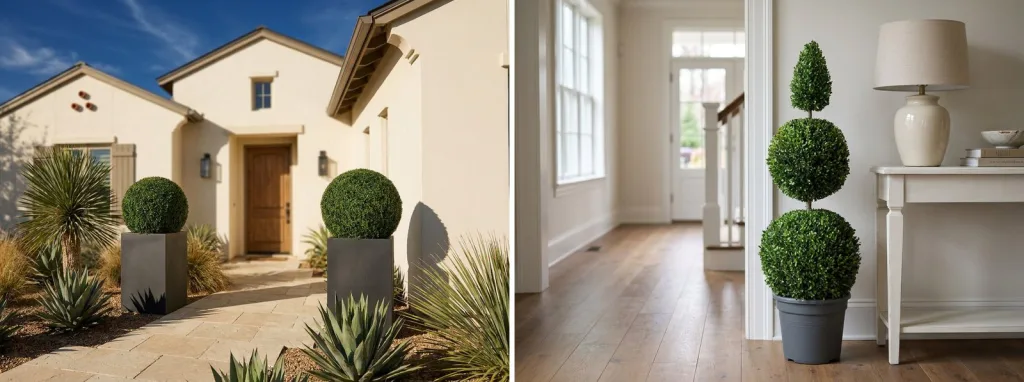
You may need to stop planting in that spot. If your boxwood died in a difficult position, another species may struggle there too.
A clipped evergreen in deep, dry shade under a roof overhang, or in a pot nobody waters, will decline whatever species it is.
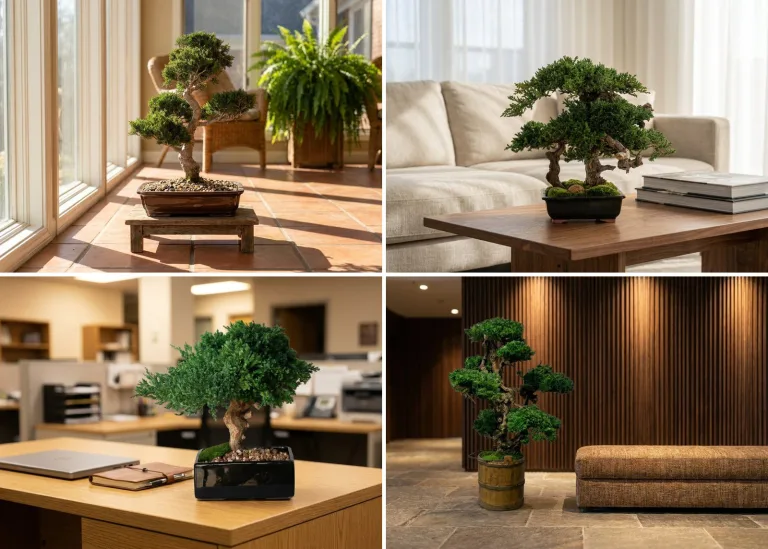
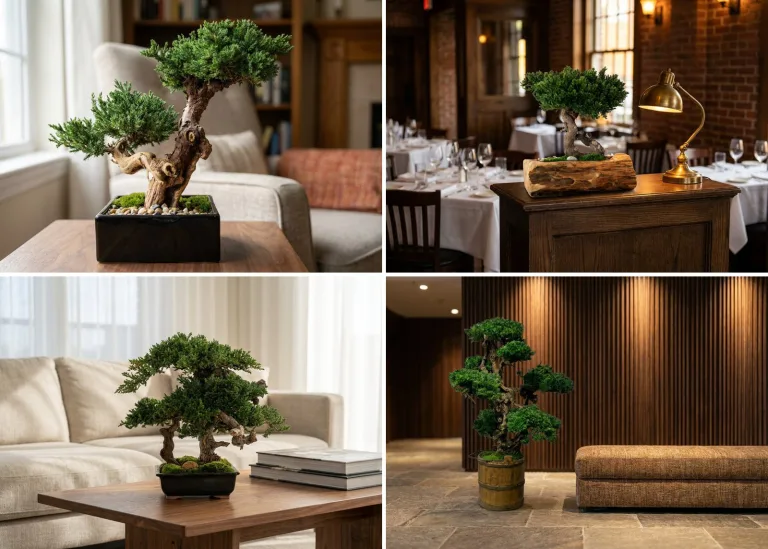
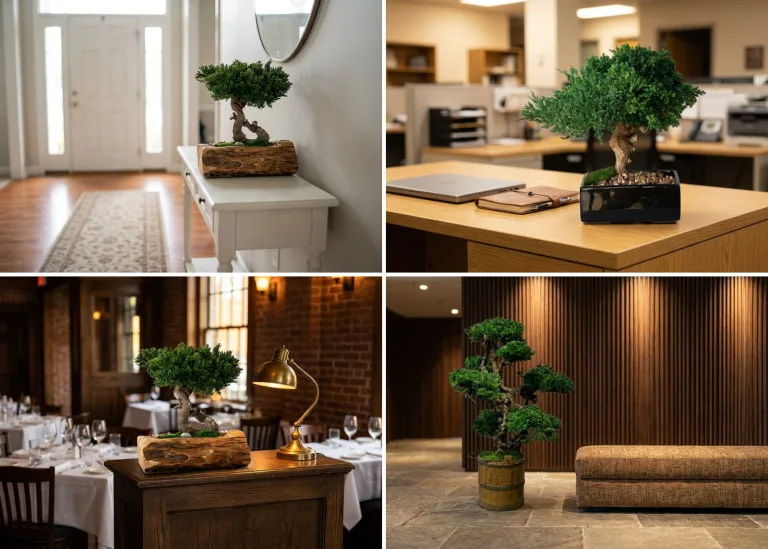
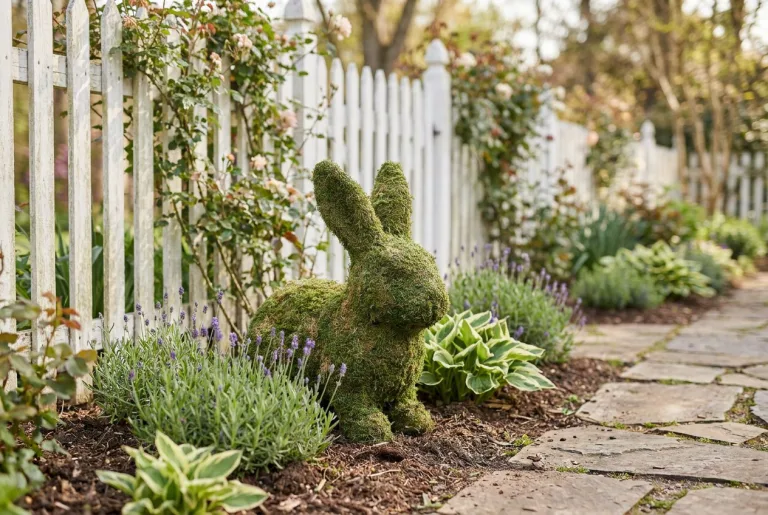
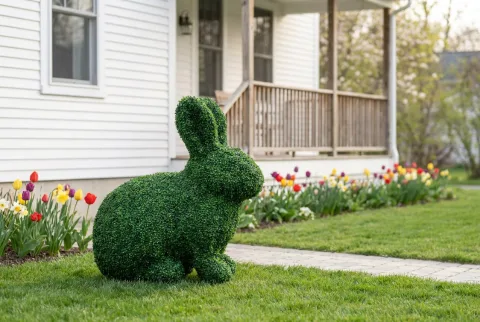
UV-rated artificial topiary holds the same shape permanently in that spot, and preserved topiary does it indoors with real foliage.
Replanting after blight
Where blight killed your boxwood, plant a different species, not a different boxwood cultivar. The disease survives in fallen leaves and soil for years, so clear the leaf litter thoroughly before replanting.
Elsewhere in the garden, resistant cultivars and good airflow make boxwood a reasonable bet again. Avoid a long, unbroken run of one cultivar, because a problem travels fastest along it.
Quick answers
What is the best alternative to boxwood?
Japanese holly for small clipped shapes. Podocarpus in warm regions, and yew for large forms. Each differs from boxwood in one way worth knowing before you plant.
Should I stop planting boxwood?
No. It is still the best plant for the job where there is no history of blight, air moves through the spot and you are not planting a long, continuous run.
Can I replant boxwood where blight killed one?
Not in the same spot. The disease survives in leaf litter and soil, so clear it and plant a different species there.
Is privet a good substitute?
Not for a clipped shape. It grows fast, needs several cuts a season, and can lose leaves in a cold winter.
What if nothing survives in that spot?
Then stop trying to grow a plant there. UV-rated artificial topiary keeps the same shape permanently.
Keep reading
- Boxwood diseases
- Zones and cultivars
- The best plants for topiary
- Topiary for shade
- The live boxwood range
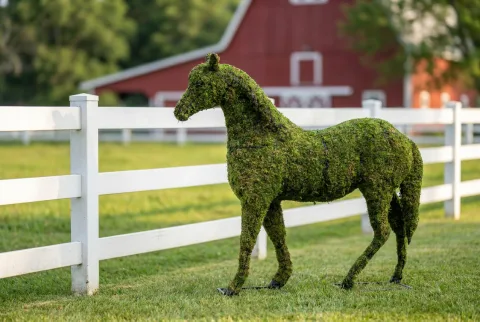
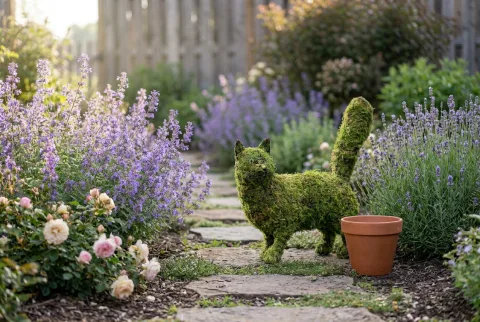
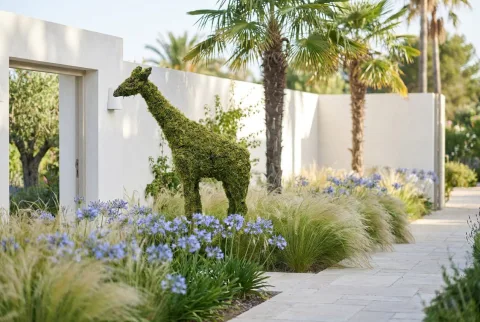
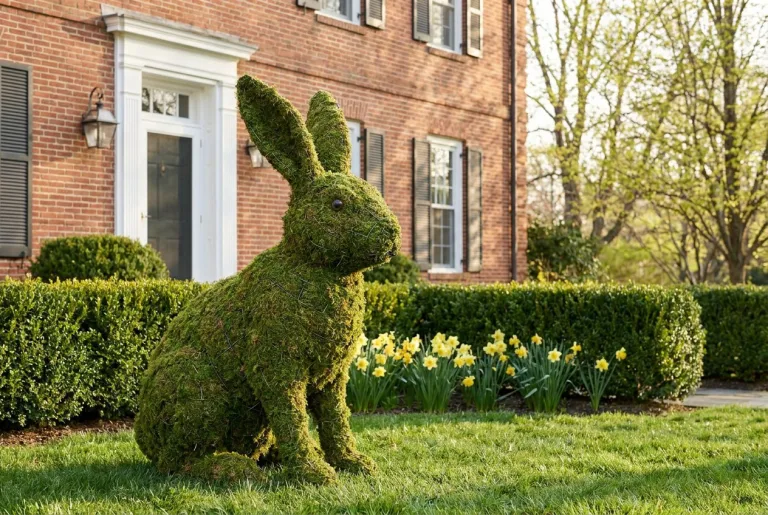
Some photographs on this page are staged illustrations of plants we do not stock, such as holly, yew and privet.