


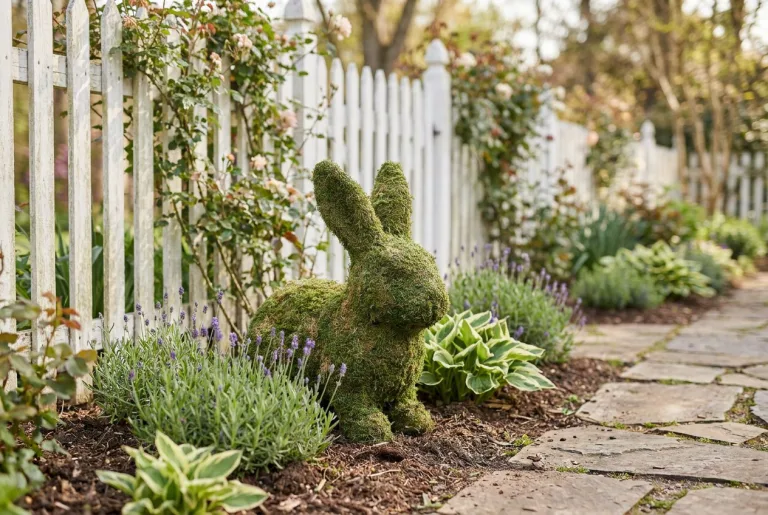
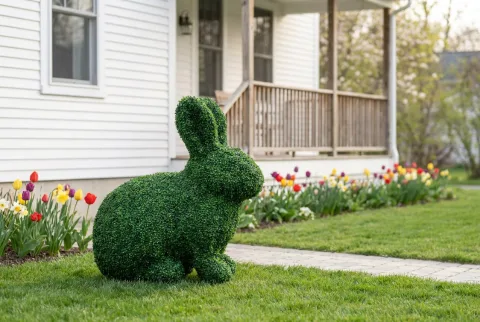
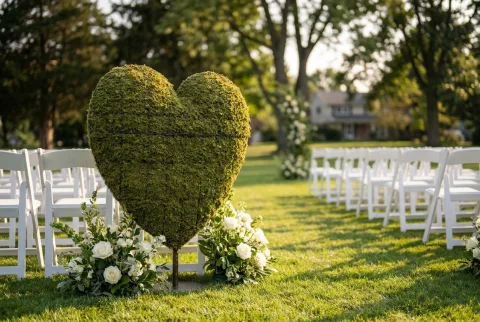
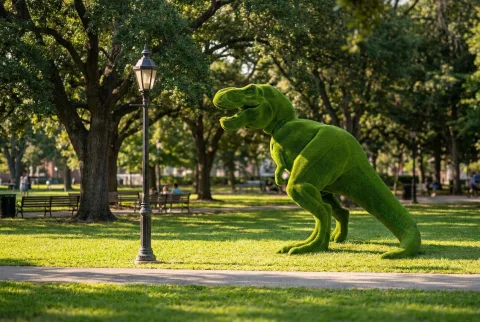
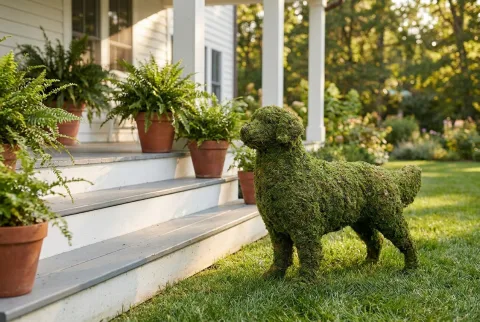
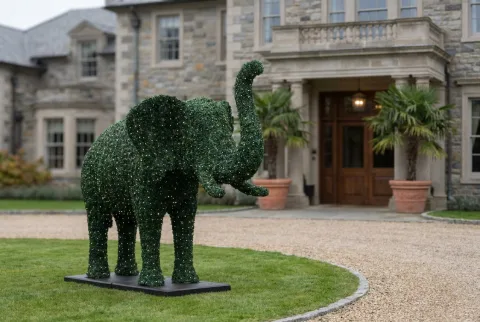
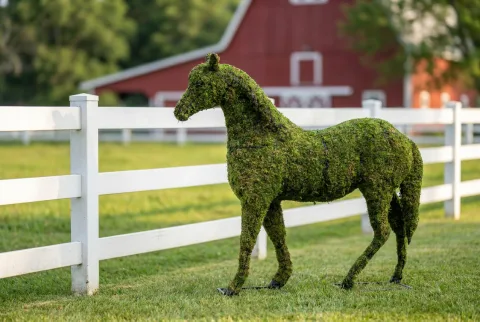
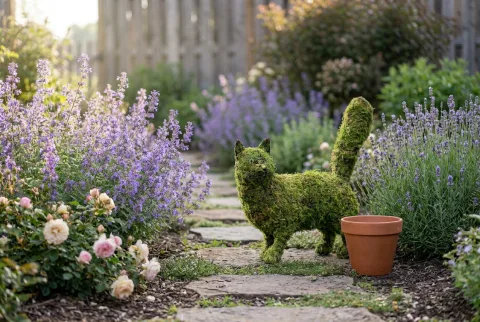
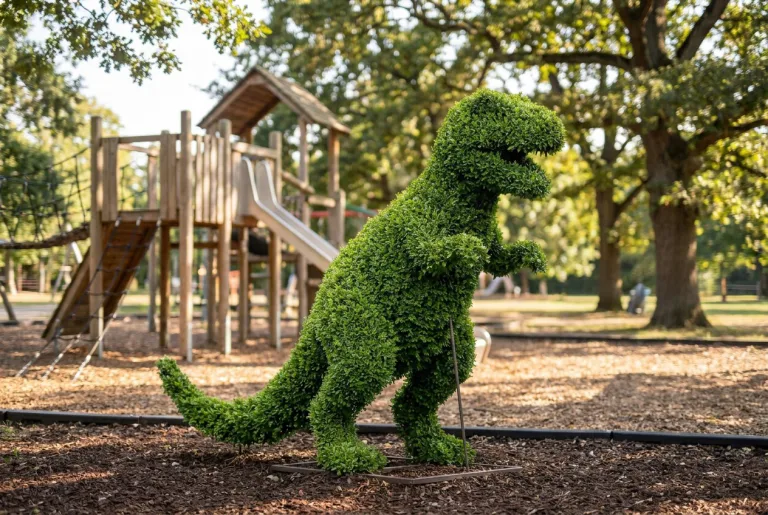
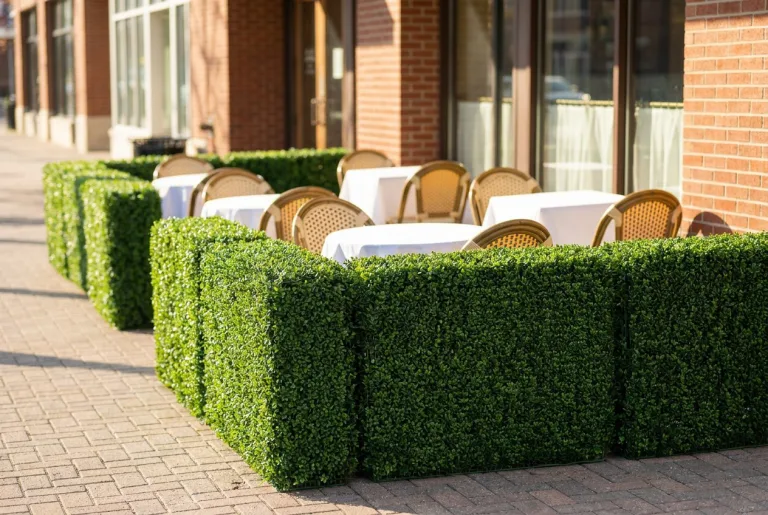
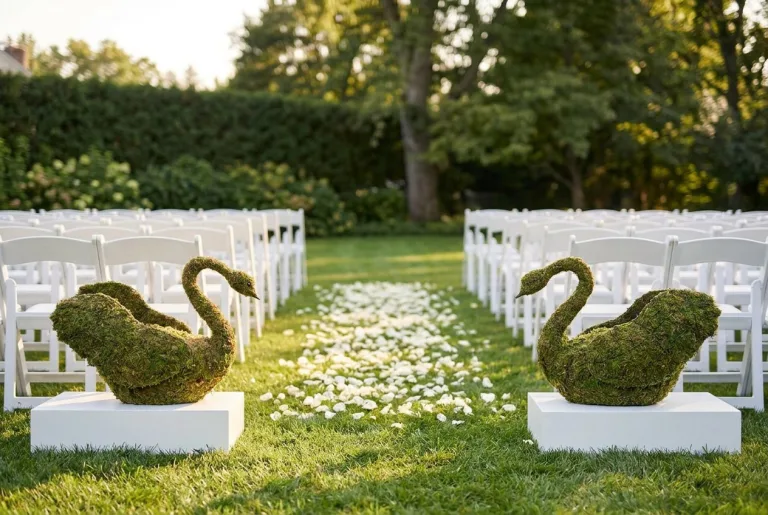
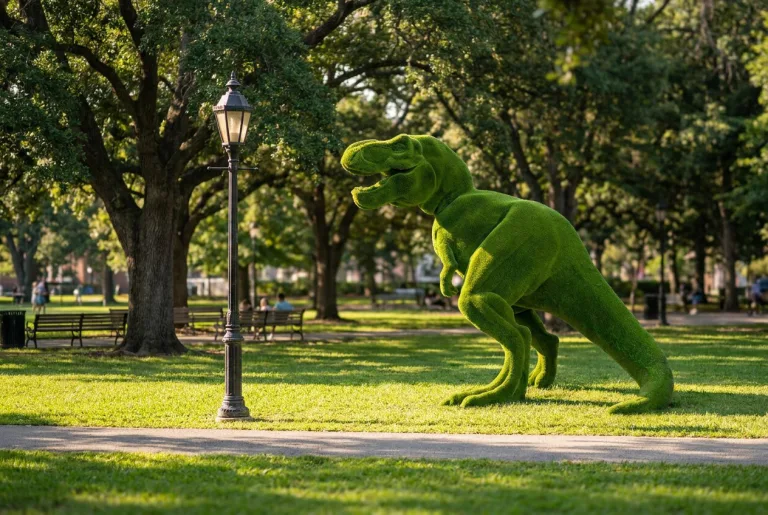

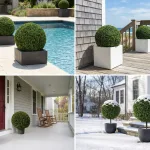

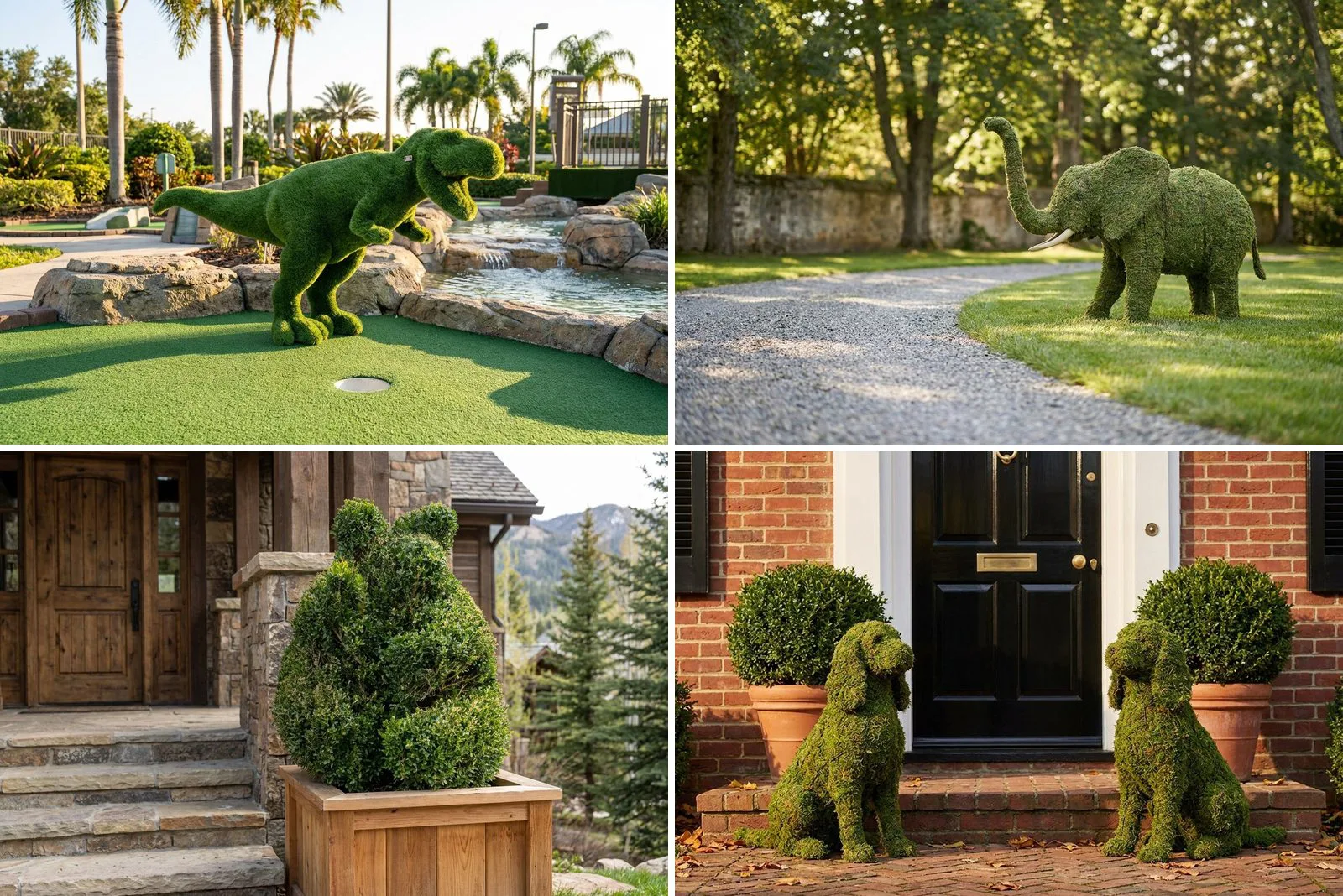
For an outdoor sculpture, turf is the toughest covering and needs only a rinse, but it looks less natural up close. Sphagnum moss looks best at arm’s length, but it needs watering every few days in summer. Artificial boxwood reads as a clipped hedge and needs no care, as long as its UV grade suits the sun. The covering decides more about owning a piece than the animal does.
| Covering | Upkeep | Up close |
|---|---|---|
| Turf | A rinse now and then | Seams and blade pattern show |
| Moss | Water when dry; refresh or plant into it | The most natural |
| Artificial boxwood | Rinse off dust | Good at a distance; leaves repeat up close |
Turf: the tough one
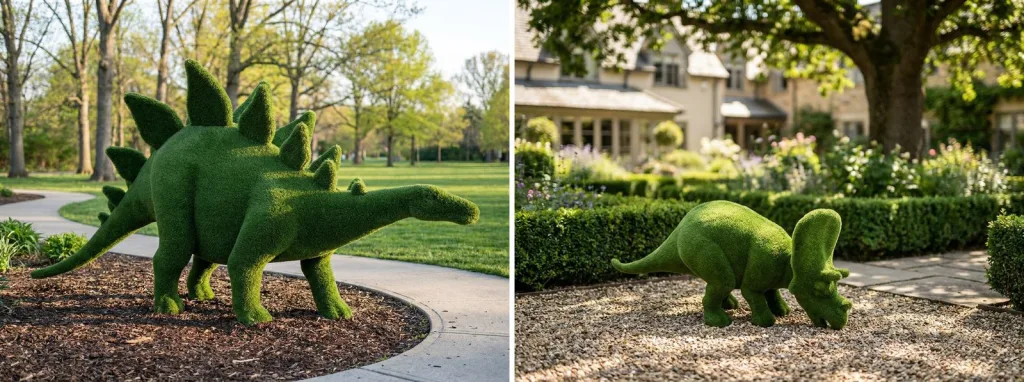
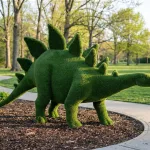
Turf is dense, short artificial grass cut and fitted over a molded shell. The large sculptures for parks and attractions are finished in it. In our range that shell is multilayer fiberglass.
Upkeep: a rinse now and then, and nothing else.
Weather: sun is what wears turf. Ask for the expected color life in full sun before you choose a very exposed spot.
Up close: good at a distance, less so at arm’s length, where you can see the blade pattern and the seams between panels. If people will walk right up to it for photos, look at where the seams fall before you buy.
Moss: the natural one, and the one you water
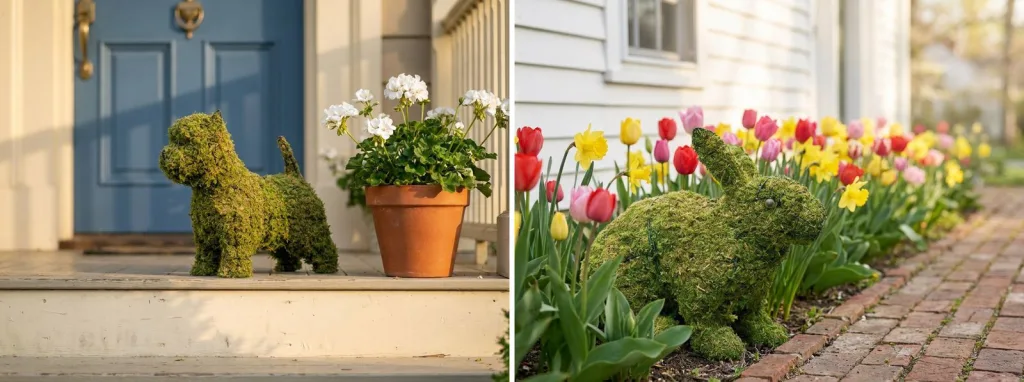
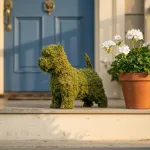
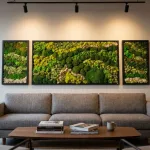
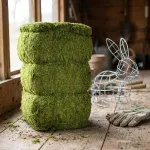
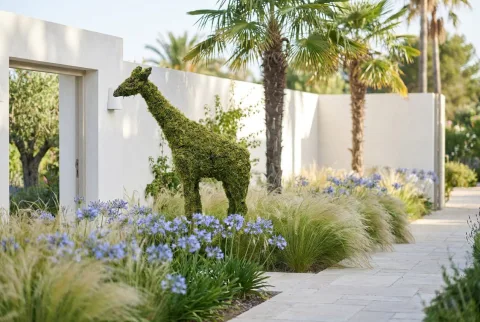
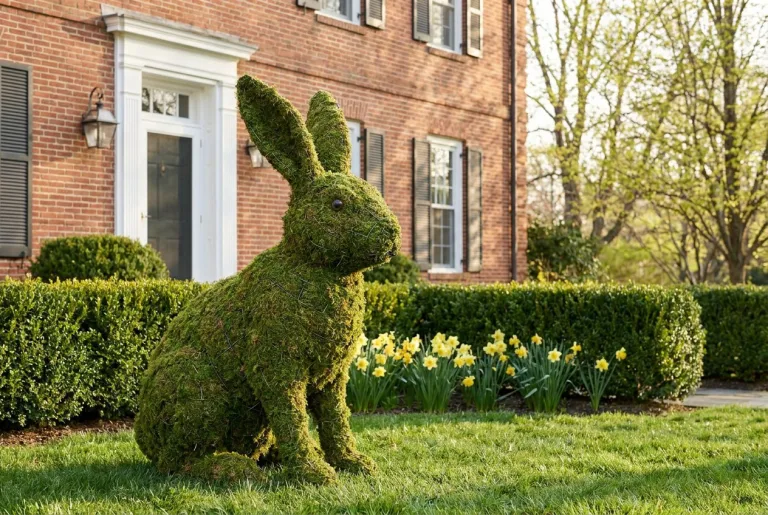
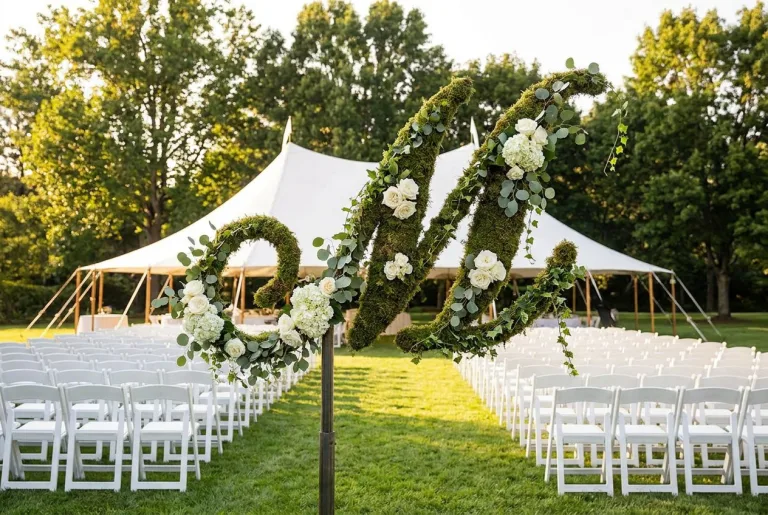
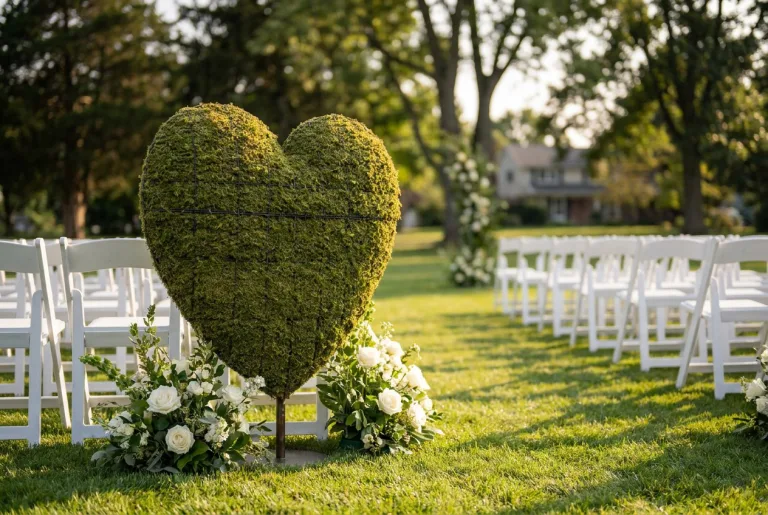
Moss looks the most natural up close and is the softest of the three. It is sphagnum packed over a steel frame with the rods set close together so the moss has something to grip.
Upkeep: water when the moss feels dry. In summer sun that can be every day or two. Then either plant into it within about six months, so a living surface takes over, or work fresh sphagnum in once or twice a year.
Weather: drainage matters more than the forecast. Standing water is what kills a mossed piece. Cold on its own usually does not; the moss dulls over winter and greens up again.
Up close: the best of the three. The fibers are real and irregular, so nothing repeats. How a mossed animal topiary is made and kept has the full routine.
Artificial boxwood: reads as a clipped hedge
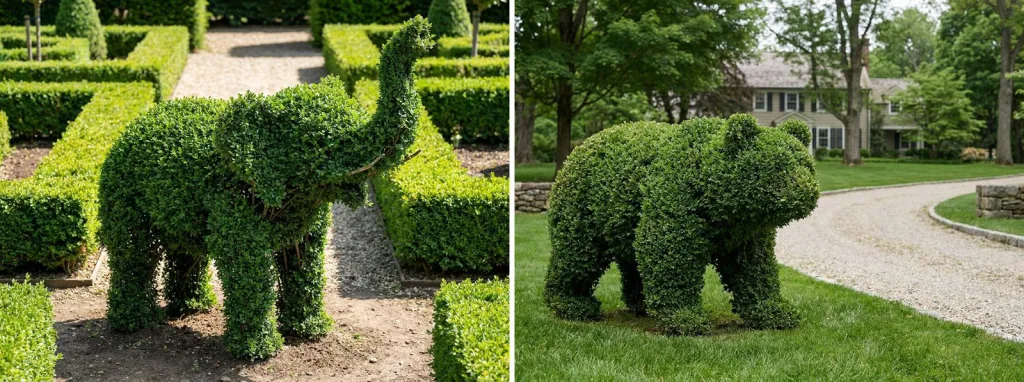
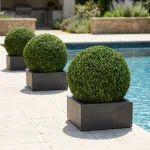
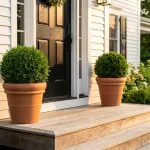
Artificial boxwood is molded leaves on a mesh backing, fitted over the frame. It reads as a clipped hedge rather than as grass, so it suits formal gardens, lobbies and figures meant to look planted.
Upkeep: none, beyond rinsing off dust.
Weather: the UV grade decides it. This is where the grade matters most, because a large area of foliage fades all at once. Read what UV-rated means before you order.
Up close: in between. At a distance it beats turf, because the leaf shape is right. Up close it loses to moss, because molded leaves repeat.
Choosing, in one pass
A public site with nobody to look after it: turf. It needs a rinse and nothing else, which is why large public pieces use it.
A garden with an owner who enjoys it: moss, and plan to plant into it. Rule moss out if nobody will be there to water it in summer.
A formal setting, or a piece meant to look like clipped hedging: artificial boxwood, with a UV grade that matches the sun the spot gets.
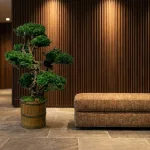
Indoors: any of the three. Moss is easier indoors, with no sun to dry it and no rain to pool under it. Preserved foliage is a fourth option indoors and looks the most natural, as long as the spot gets no direct sun.
What sits underneath
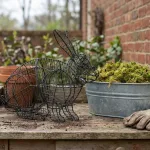
Ask what is inside a piece before you ask what is on it. Mossed and foliage pieces sit on a welded steel frame, which usually outlasts its covering, so a worn piece can often be re-covered. The turf sculptures in our range are built on a fiberglass shell.
Browse turf sculptures and dinosaurs and mossed animals. For a boxwood-covered animal or any shape not in the range, see how a topiary commission works.
Quick answers
Which covering needs the least care outdoors?
Turf or artificial boxwood. Both need only a rinse now and then. Moss needs watering.
Which looks most realistic close up?
Moss. The fibers are real and irregular, so nothing repeats. Turf shows its seams up close, and artificial boxwood sits between the two.
How often does a mossed sculpture need watering?
Whenever the moss feels dry, which in summer sun can be every day or two. On a shaded porch in spring it can go much longer.
Can I change the covering later?
On a steel-framed mossed or foliage piece, usually. The frame outlasts the covering, so a tired piece can be re-covered.