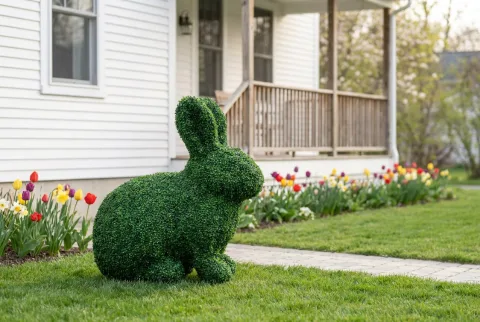
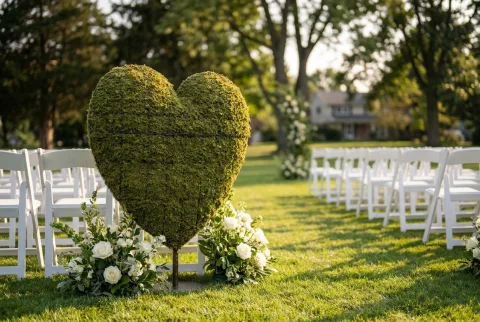
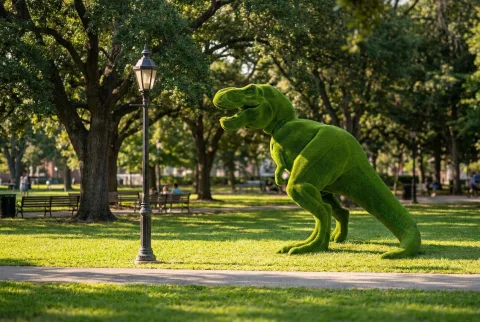
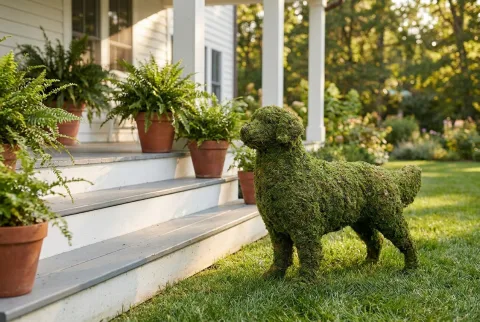
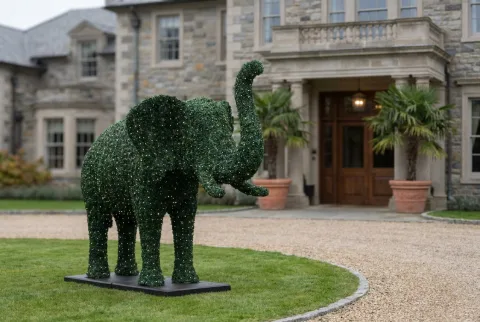
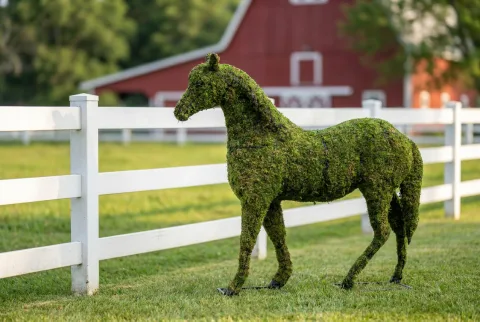
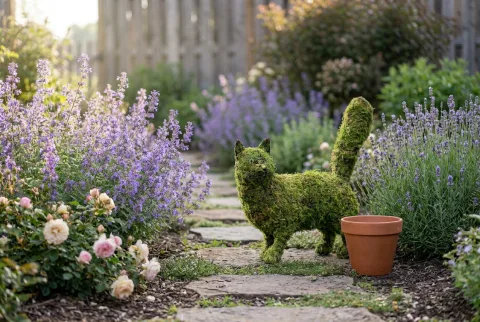
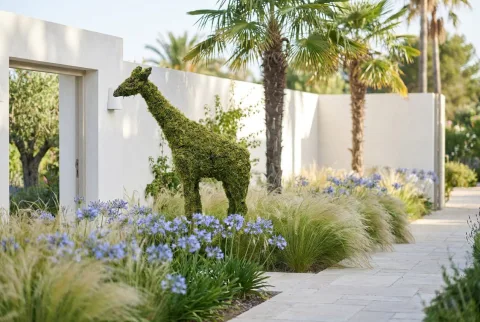

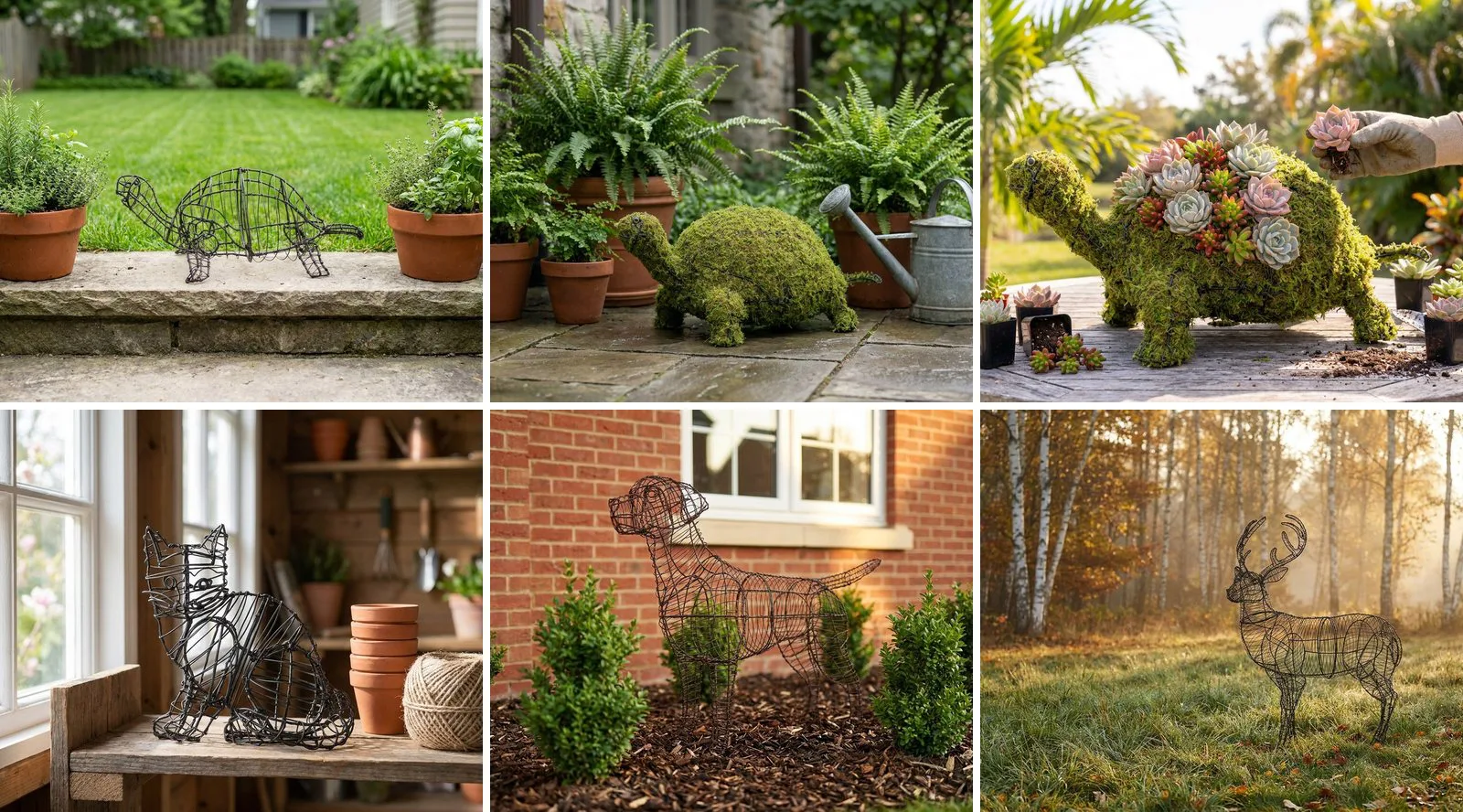
To choose a topiary frame, decide first what will cover it (nothing, moss or plants), then check that it is steel rod with a weld at every crossing and a rust-proof finish, and measure the length as well as the height.
Buy for the pose and the proportions too, because greenery cannot fix either one afterwards. A frame that does not look like the animal from across a garden will not look like it once it is green.
Start with what will go on it
Decide what will cover the frame before you pick one, because the three finishes want different rod spacing.
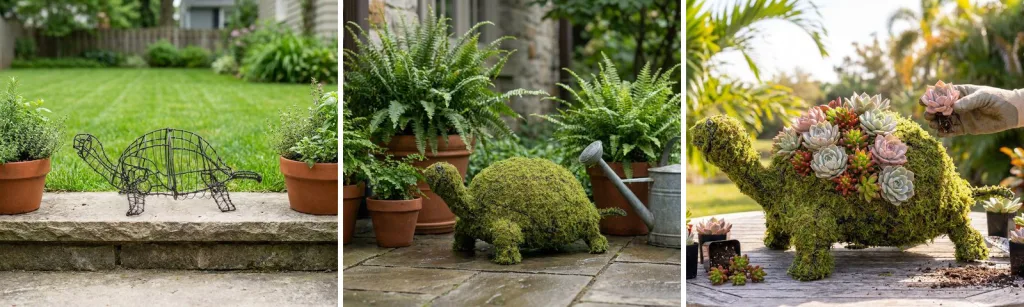
Bare. If you plan to leave the frame bare, choose one with good welds and even rod spacing because both will stay visible. A steel frame suits winter gardens and modern planting schemes where you want the outline of the animal.
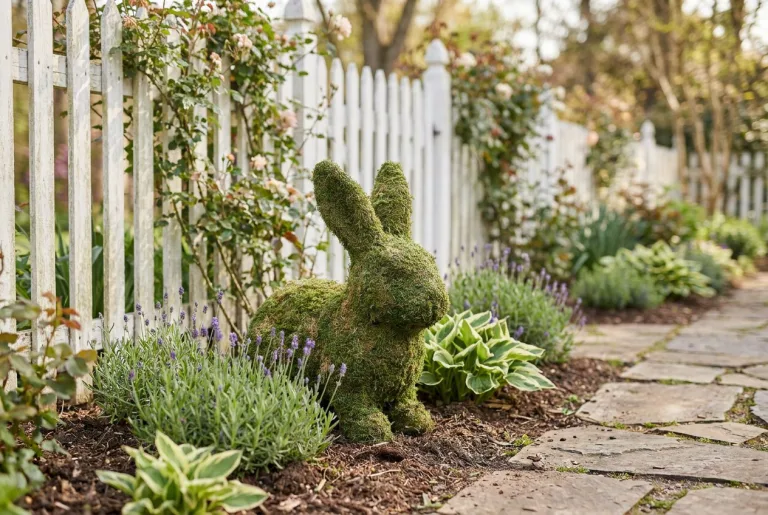
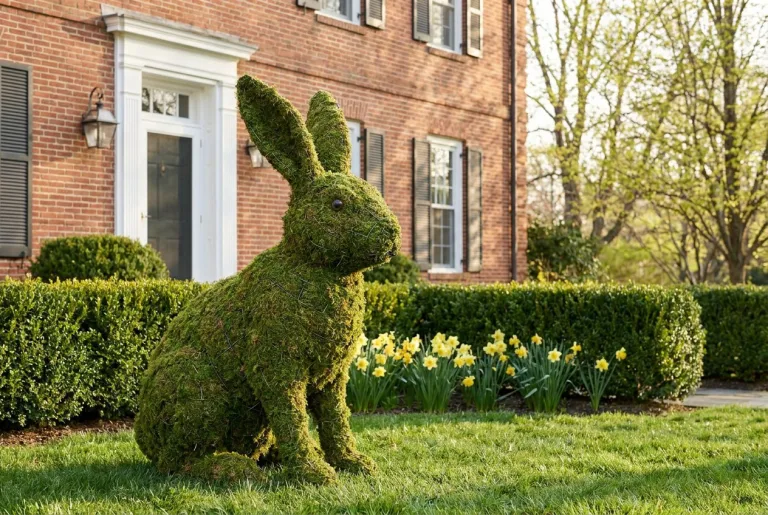
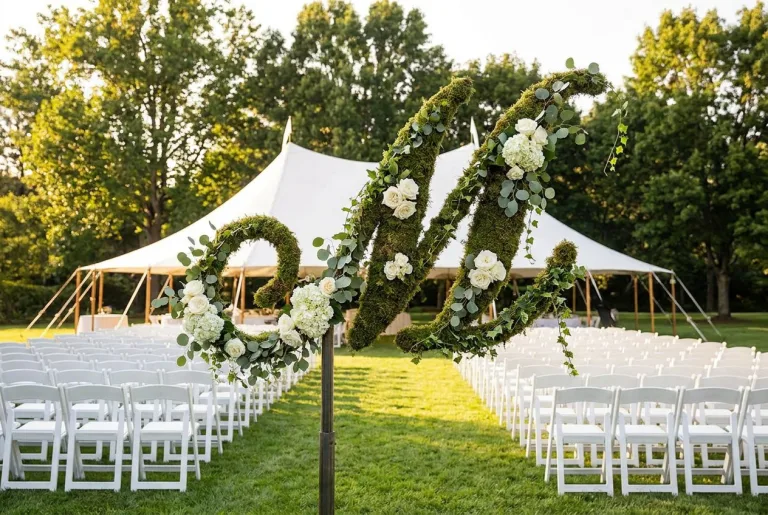
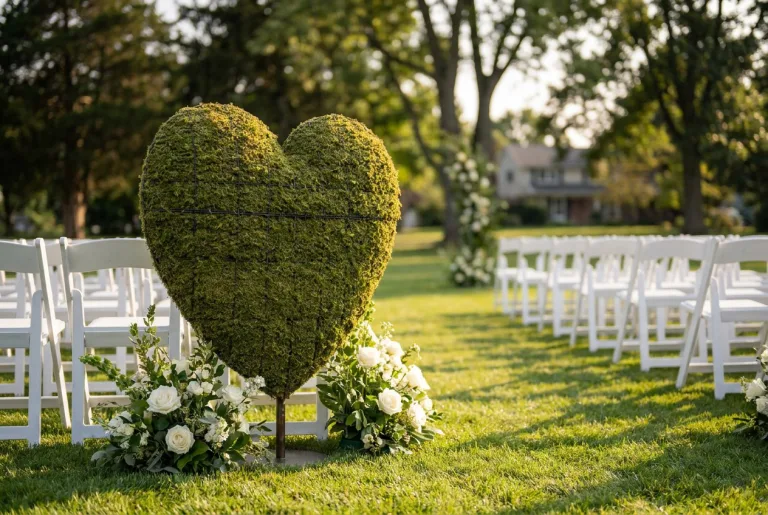
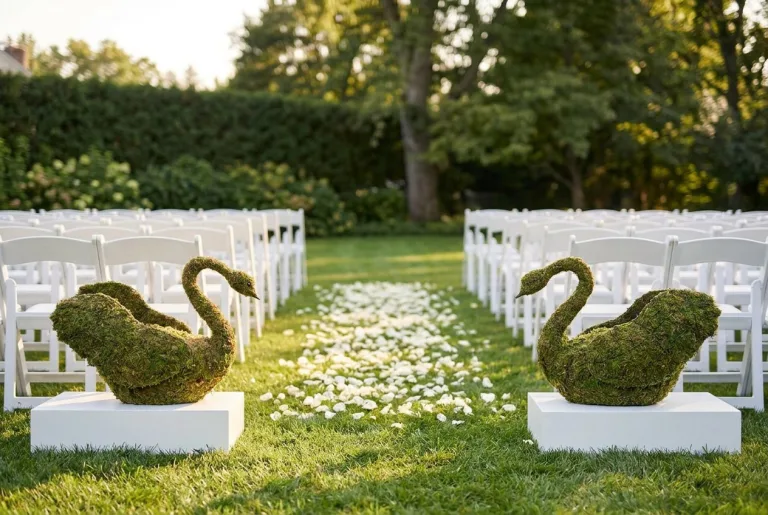
Mossed. The frame is packed with sphagnum, which gives you a solid green body on day one and a surface you can plant into later. It wants closer rod spacing, because the moss has to be held in rather than pushed through.
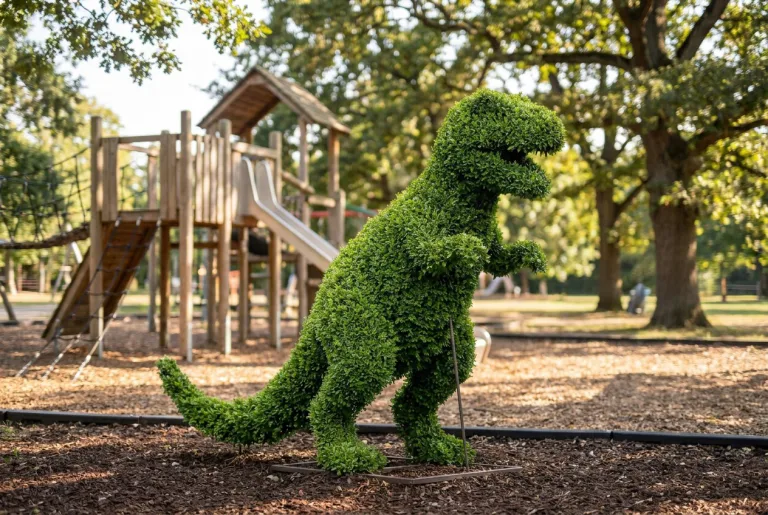
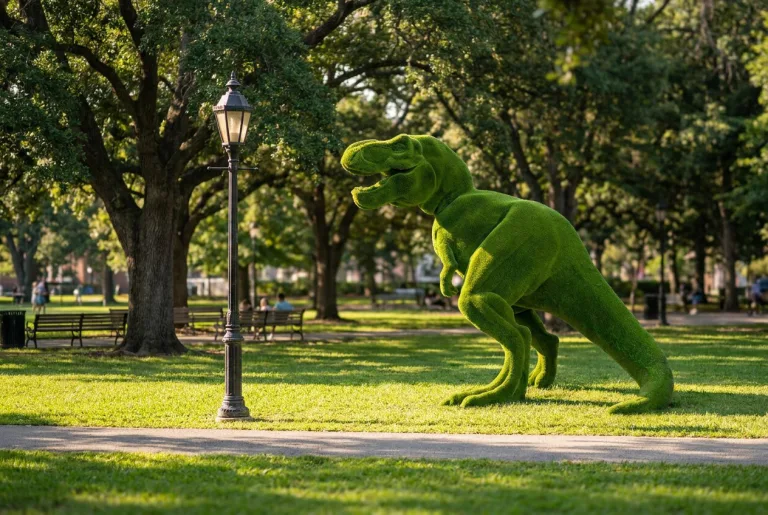
Planted. Ivy, creeping fig or another climber is trained over the steel and takes two to three seasons to cover it. Here the frame is a trellis, so wider spacing is fine. The plant will bridge it.
Adding live plants to a frame and mossing one each have their own guide.
Gauge is where the cheap ones fail
These frames are made from steel rod rather than thin wire, and you feel the difference the first time you pick one up.
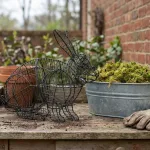
A rod frame holds its shape when a dog leans on it, when snow sits on it, and when somebody grabs it to move it. A frame bent from light wire flexes at the joints instead. A joint that has flexed does not spring fully back, so every knock adds to the last.
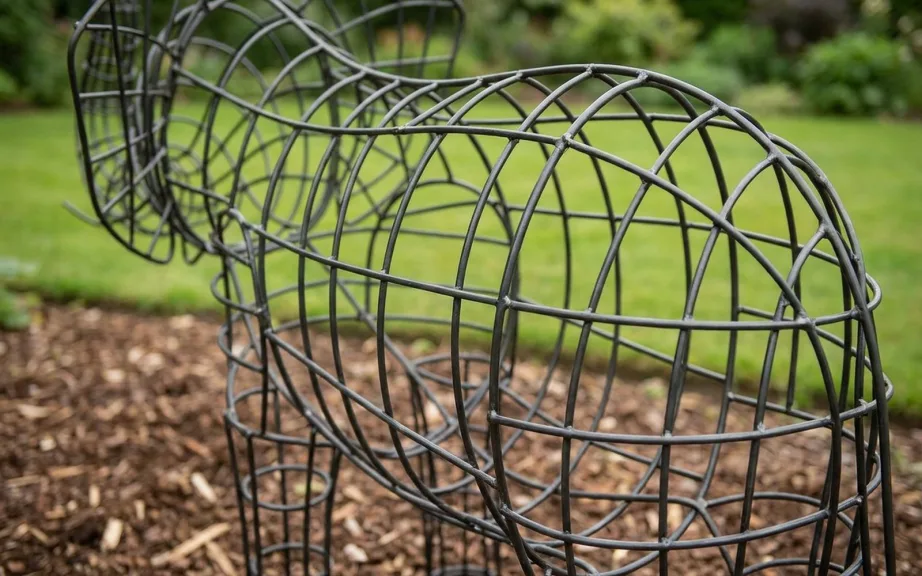
Whoever you buy from, check three things. Rod rather than wire. Welds at every intersection, never twisted joins. And a rust-resistant finish, galvanized or powder-coated, because a frame that rusts does it from inside the joints, where you cannot see it. Why galvanized matters covers the finish properly.
Size: the length is the measurement people forget
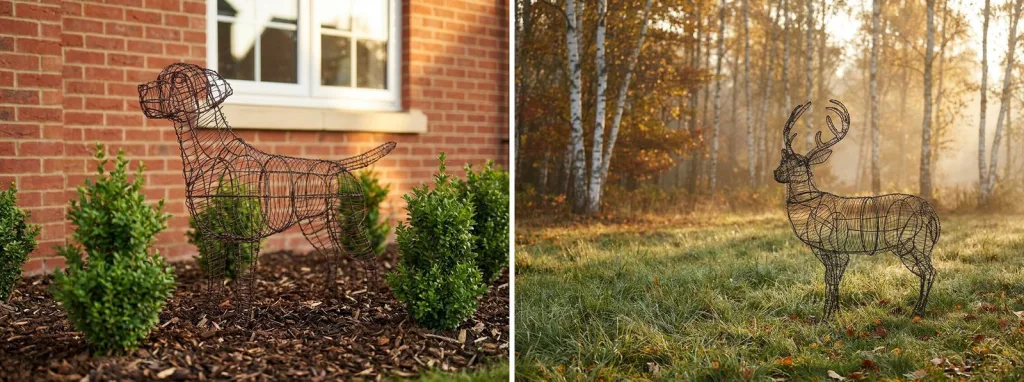
People buy the height they picture and forget the footprint.
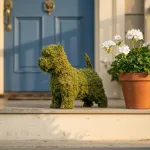
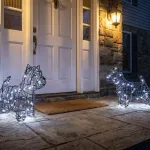
A frame is quoted as height by length by width, and on an animal the length usually decides whether it fits. Our 20-inch Boston Terrier is 23 inches long. The 40-inch flamingo is 18 inches across the base. A sitting animal is compact. A walking or leaping one needs a surprising amount of floor.
Outdoors a frame reads about one size smaller than it measures, because nothing around it gives scale. Indoors it reads larger.
A frame that will be mossed gains one to two inches of body all around once it is packed. So a piece that just fits bare will not fit green.
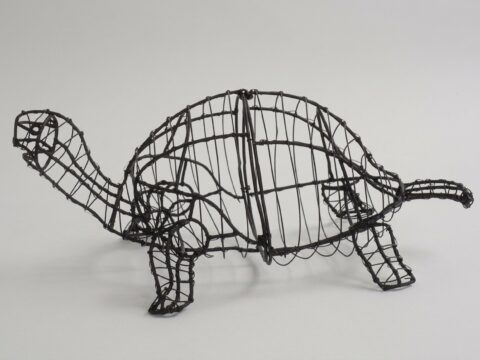
$57. Tabletop scale, and the cheapest frame in the range.
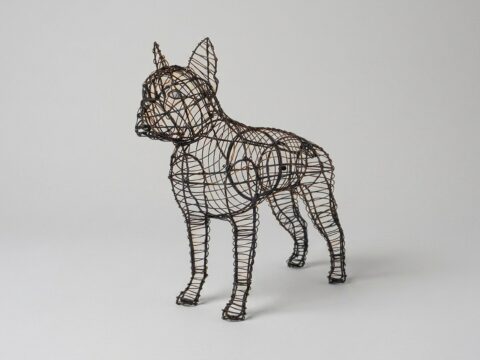
$188. 20 in tall, 23 in long. The length decides whether it fits.
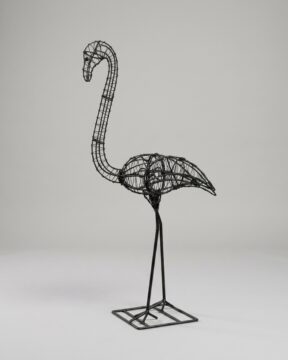
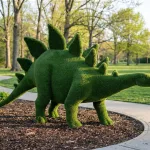
Quoted. 40 in tall, with a neck that has to hold its own weight.
What they cost, and why the spread is wide
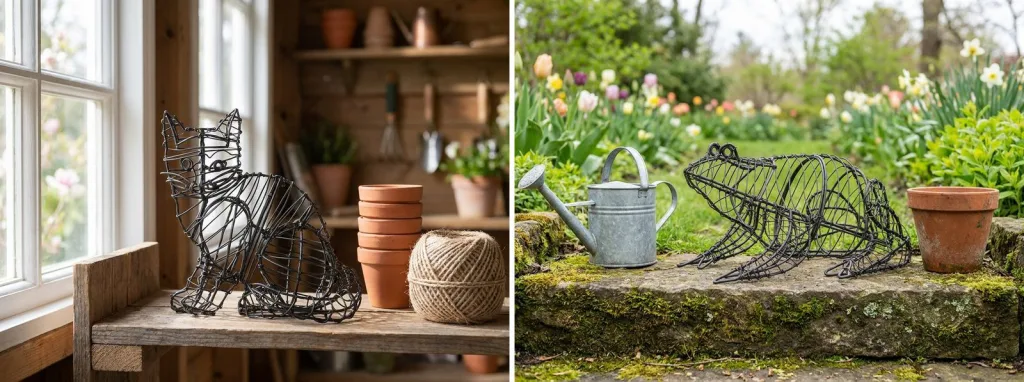
Ours start around $57 for a small tabletop animal and run to several hundred for a large one. The biggest pieces are quoted individually.
Price tracks the metal and the welding rather than the glamour of the animal. A small tabletop turtle is a short run of rod and a modest number of joints. A 40-inch flamingo has a long neck that must hold its own weight without wobbling, and that is harder to fabricate than its size suggests.
Anything larger, or an animal outside the range, is made to a drawing. That is a different way of buying, and it lives in the custom category.
What to do when it arrives
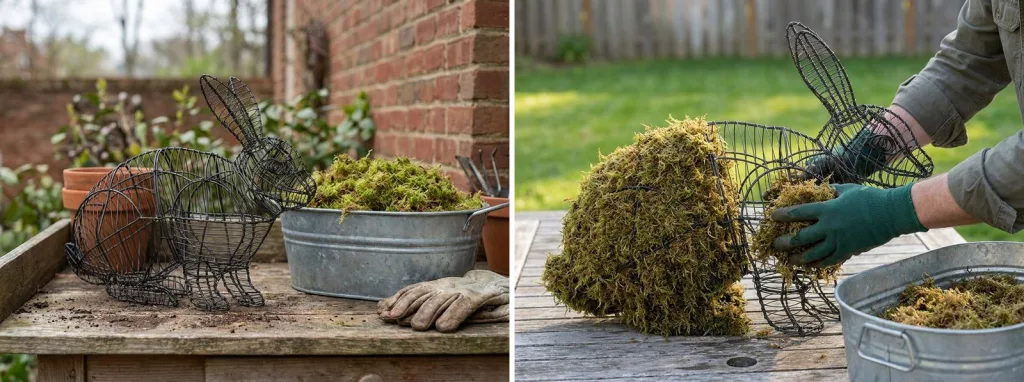
Check for shipping distortion before anything else. You can ease a rod frame back by hand, and it is far easier before the frame carries anything. Frames ship in sections where the shape allows, which keeps the boxes and the freight smaller.
Outdoors, pin it. Most frames have legs or stakes that push into soil. On a hard surface they want weighting or bolting, because wind will take an unpinned frame in an exposed spot.
Add moss first, then plant into it. You get something presentable on day one and something growing the season after. Planting straight onto bare steel is slower to look like anything, but it is the better choice if you want the metal visible for the first year.
Quick answers
What gauge should a topiary frame be?
Heavy enough to count as rod rather than wire: about 1/8 to 3/16 inch on a small frame, and 1/4 to 3/8 inch with internal tubing on a large one. Press a joint. One that gives will keep giving.
Can I leave a frame bare outdoors?
Yes, if the finish is galvanized or powder-coated. An untreated frame rusts from inside the joints, and that is the one part you cannot inspect.
How long does ivy take to cover one?
Two to three seasons for full cover on a medium frame. A warm climate and regular feeding speed it up. Moss the frame first and you have a green shape straight away, plus something for the roots to sit in.
Does a mossed frame need more space than a bare one?
Yes, one to two inches all around. A piece that just fits bare will not fit once packed.
Can you make an animal you do not stock?
Yes. Custom frames are built to order from a drawing or a photo, at the size and pose you specify, and quoted before anything is charged.