Topiary runs from about $57 for a bare wire frame to $37,200 for a large sculpture. Small artificial pieces are priced openly. Anything large or made to order is almost always quoted instead, because freight and labour vary too much to print one number. Below are our own prices, and what moves each one.
The whole range, in one view
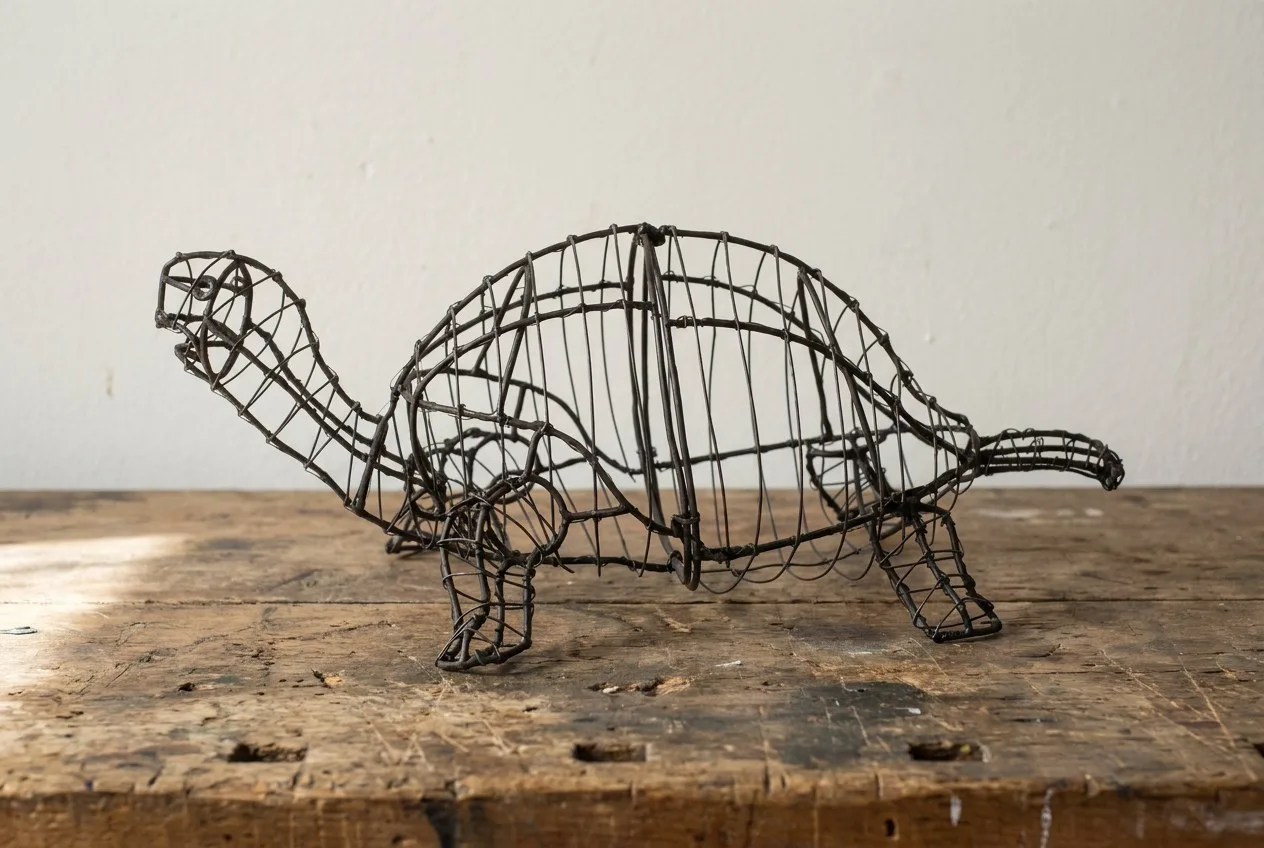
Bare wire frames: from about $57. That buys a small tabletop animal. The price tracks the rod and the welding, so a long-necked bird costs more than a compact animal of the same height.
Mossed animals: from around $280. A frame, then sphagnum packed into it by hand. Most of the price is the hand work.
Artificial balls and shapes: from $98. Density and UV rating drive the price more than diameter does.
Live boxwood: from about $155 for a small globe, $895 for a 30 to 36 inch spiral. You pay for years in the nursery more than size.
Preserved: from about $450 for a 30 inch ball, $799 for a 50 inch double, into four figures for large spirals. You are buying real foliage, a 10 to 14 day process and a steel armature.
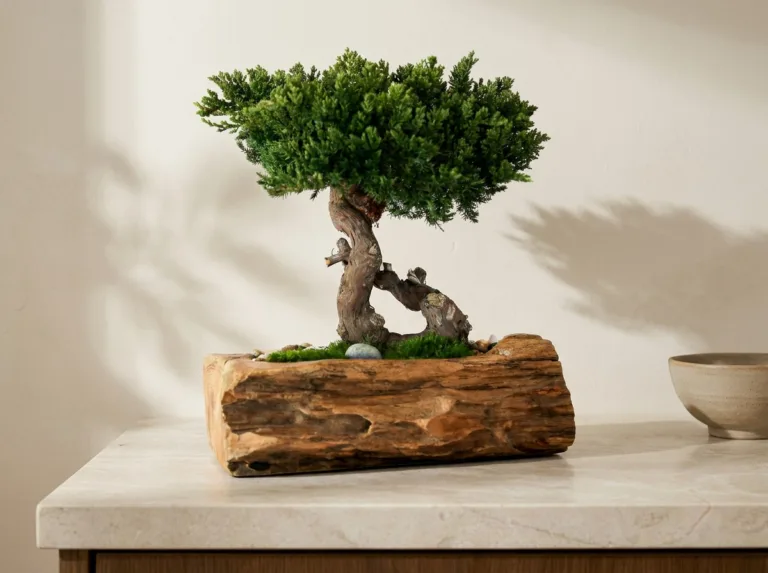
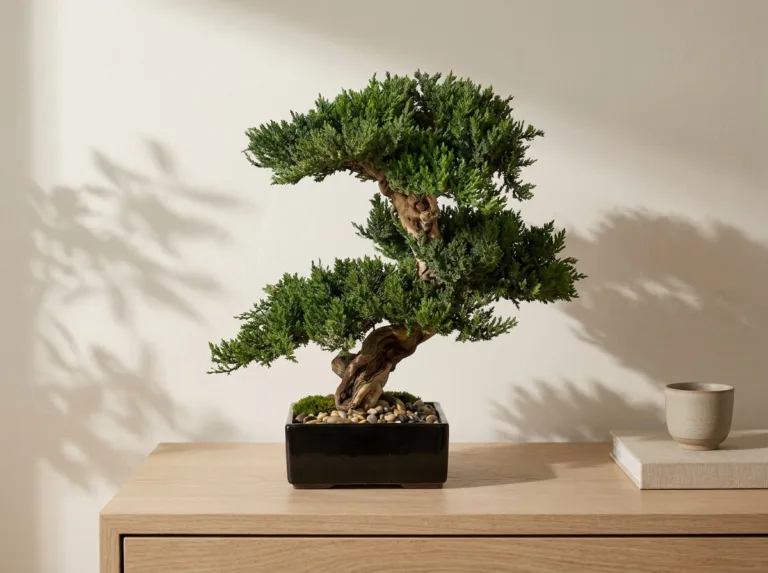
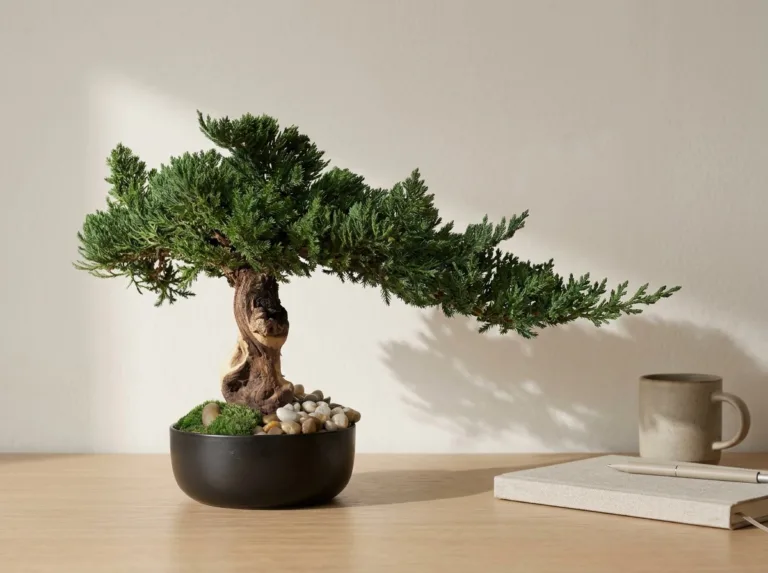
Preserved bonsai: $122 to $1,709 across thirteen pieces.
Sculpture: $2,350 to $37,200. A steel armature, a moulded shell, then a covering of turf or moss or foliage. Four feet to eighteen.
Commissions: quoted. Two nine-foot animals can differ threefold on pose and covering alone.
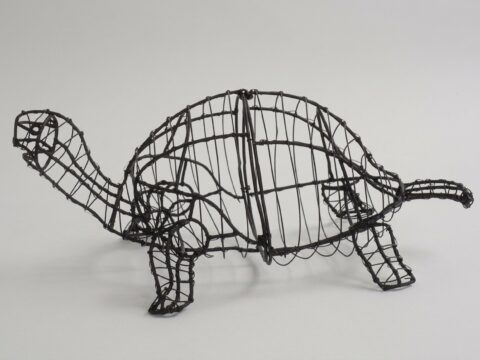
$57. The cheapest way in: a bare frame.

$155. A live globe, ships by parcel.
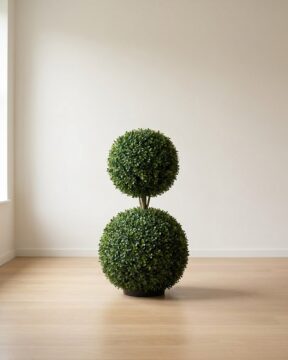
$799. Preserved, 50 in double.
What actually drives each price
On frames: metal and welds. Not the animal, and not its popularity.
On live plants: years. A spiral costs more than a ball of the same height because the shape had to be cut into a plant over seasons. Nothing about it can be hurried, so the price holds.
On artificial: foliage density first, UV method second, structure third. Two balls of the same diameter at very different prices almost always differ in how much foliage is on them.
On preserved: the plant, the process and the armature. A tall shape needs a steel frame inside it to stand up, and that frame is a real part of the cost.
On sculpture: surface area and complexity rather than height alone. Plates, horns, wings or tails each need their own shell and their own covering.
Where the real jumps are
Parcel to freight. Somewhere around four feet and a substantial root ball, a piece stops travelling by courier. Freight costs more, so we include delivery in quotes for larger pieces.
Shelf to made. You pay for fabrication time when you specify a pose or a size that is not stocked.
Garden to public. Anything going where the public can touch it needs anchoring, internal tubing above six feet and anti-vandal fixings. All three cost money before any covering goes on.
Where the price surprises people
Live boxwood costs more than artificial at the small sizes. A 12 to 15 inch live globe starts at $155 where a comparable artificial ball starts at $98, and the live one asks for about an hour a year on top. The full arithmetic is in what a live boxwood costs to keep.
Refurbishment beats replacement more often than people expect. Steel outlives its covering, so a tired sculpture is often a re-cover rather than a rebuild. Send a photograph and we will tell you honestly whether a piece is worth saving.
Buying several at once costs less than buying them one by one. Freight consolidates, and a set is quoted rather than summed.
Prices for each category are in the shop. Anything made to a drawing runs through the commission process.
Questions we get asked
Why is so much topiary quoted instead of priced?
Because freight on a large piece varies by destination. We publish what we can and quote the rest with the delivery included rather than added later.
What is the cheapest real topiary?
A bare wire frame, from about $57. It is a sculpture in its own right, and it is also the start of a mossed or planted piece.
Is live cheaper than artificial?
Not at the small sizes. A 12 to 15 inch live globe starts at $155 where a comparable artificial ball starts at $98. The live one asks for about an hour a year, and the artificial one asks for nothing.
Why is a spiral more than a ball of the same height?
Because the shape was cut into a living plant over seasons and cannot be hurried. On preserved and artificial pieces the same shape carries more hand work too.
Is repairing an old piece worth it?
Often. Steel outlives its covering, so a tired sculpture is frequently a re-cover rather than a rebuild. Send a photograph and we will say honestly whether it is worth saving.