A dinosaur topiary has three layers: a welded steel skeleton inside, a fibreglass shell moulded to the animal’s shape, and turf on top. The steel is most of what you pay for, because it decides whether the piece is standing in ten years. Ours cost $2,350 to $37,200, and the four-hundred-dollar one at HomeGoods does not say what is inside.
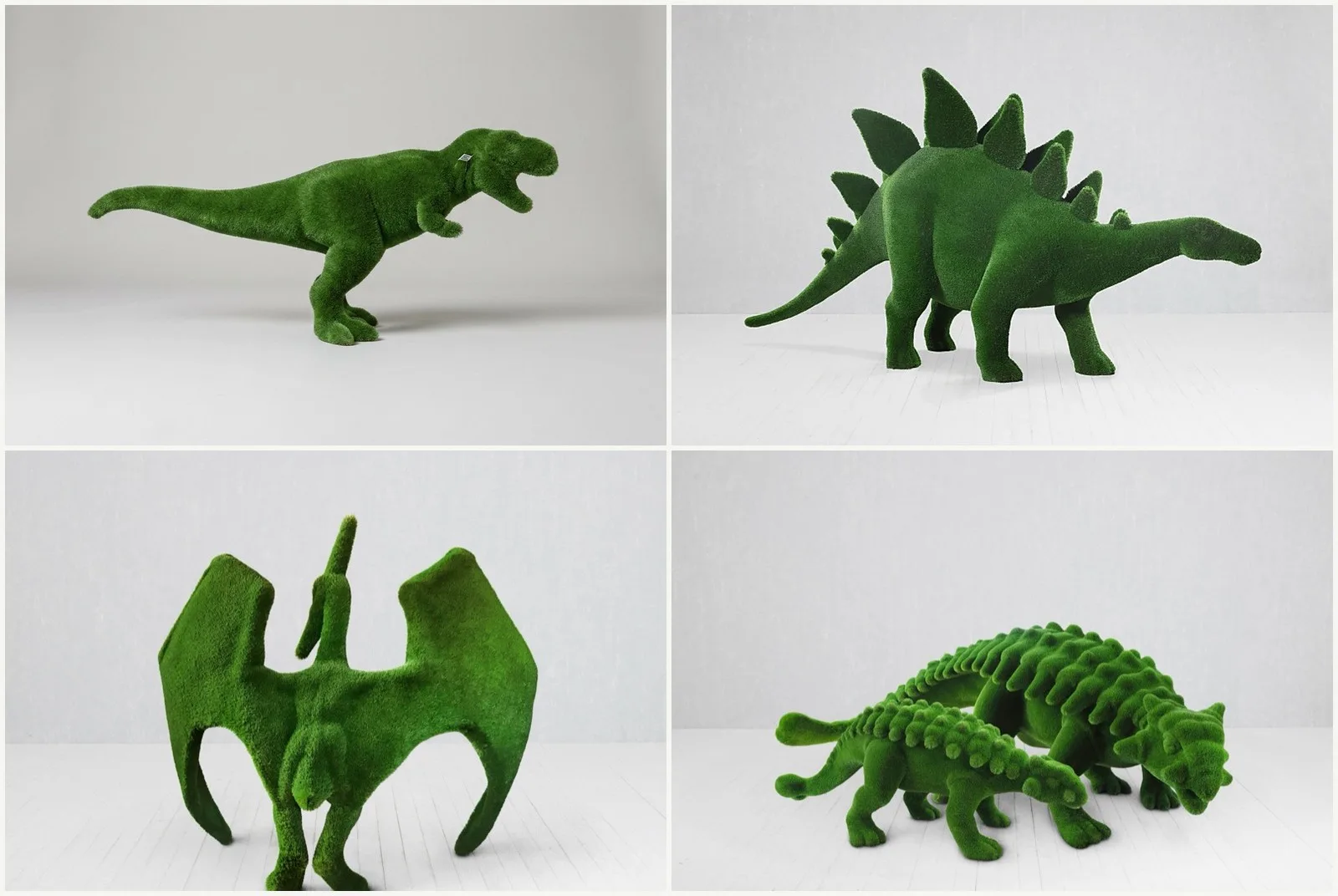
Four from the range: the 18.4 ft theropod, a Stegosaurus at 8.7 ft, a Pterodactyl at 6.7 ft and a mossed piece at 16.4 ft. The same welded steel armature under all of them.
What is under the turf
The frame is a welded steel armature. It is galvanised so it does not rust from the inside, where nobody would see it. That frame decides whether a piece is still standing in ten years.
A moulded shell, usually fibreglass, covers the frame and gives the animal its anatomy: the curve of the ribcage, the set of the jaw. The outer skin is dense artificial turf, the same family of material as a sports surface, cut to fit the shell.
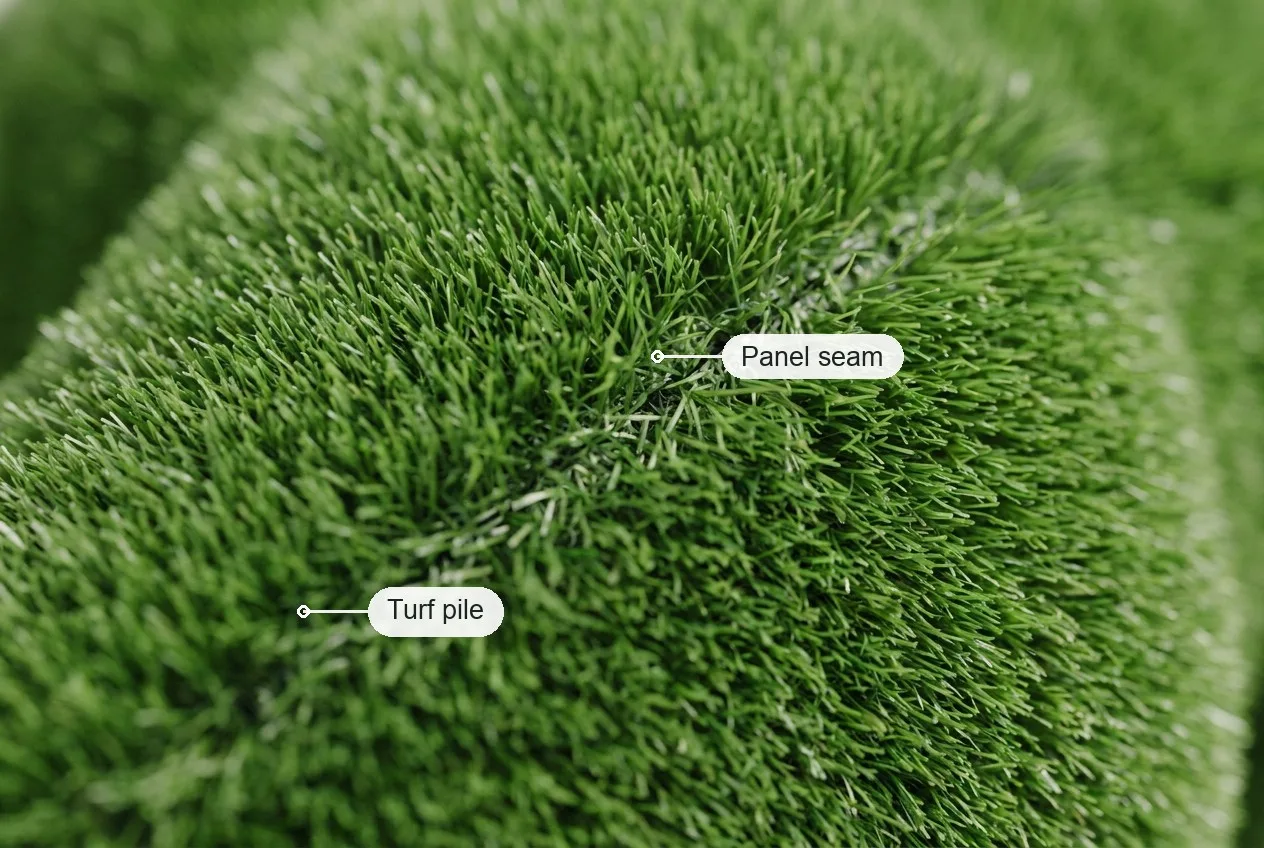
The turf is UV-rated and fades slowly. When it does fade, the piece is re-covered rather than replaced, because the galvanised frame is not the part that wears out. A foam-cored piece cannot be re-covered at all. We do not publish a figure for how many re-coverings a frame will take.
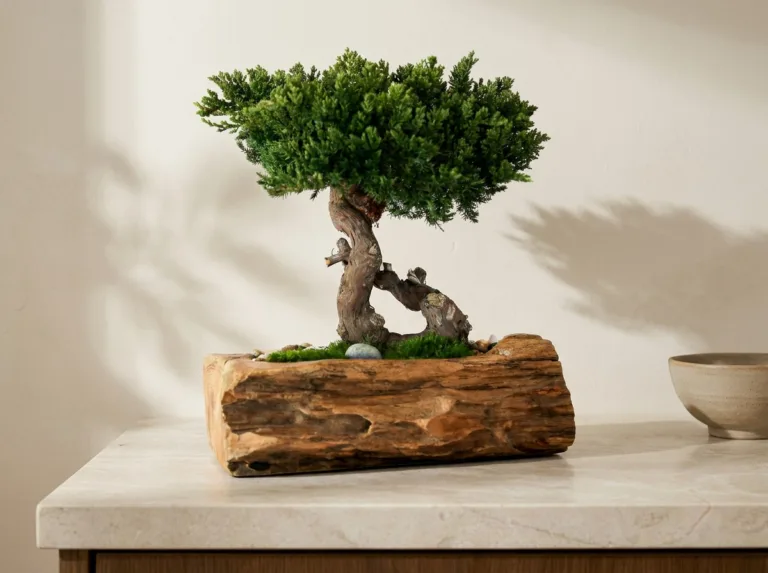
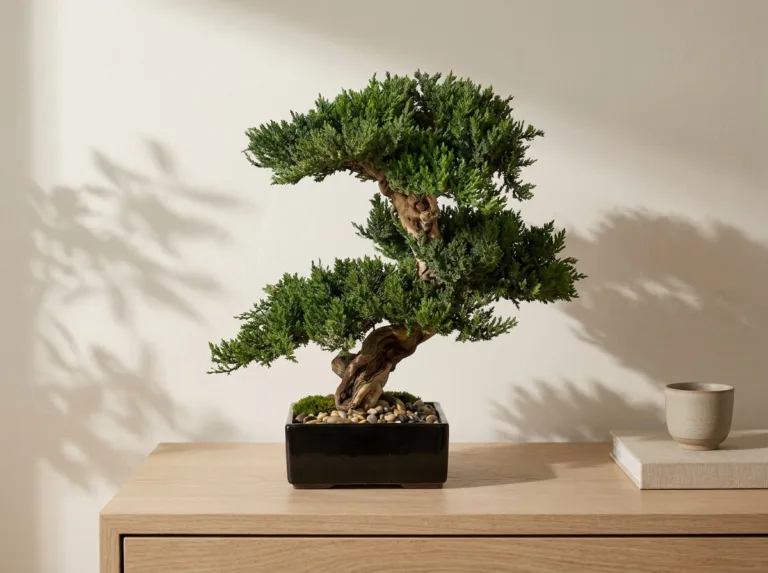
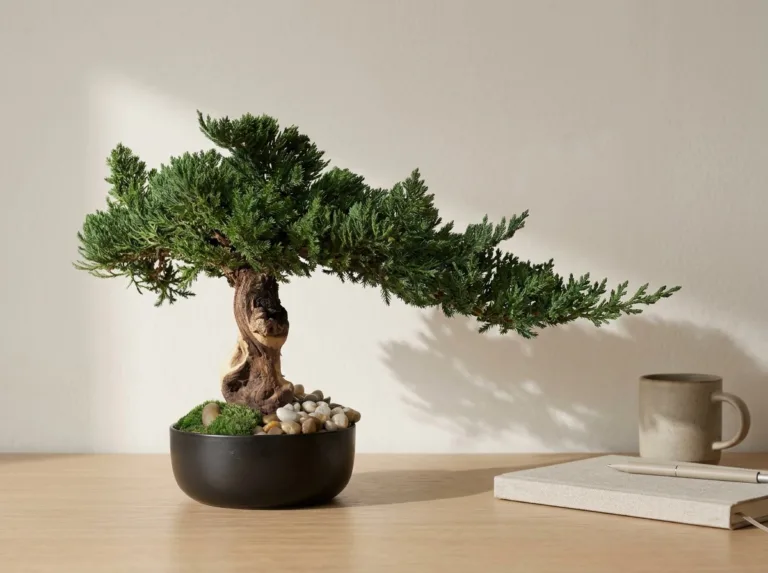
Some pieces in the range are finished in preserved moss or artificial boxwood foliage instead of turf. The armature is the same underneath. Moss reads softer and closer to a planted piece; turf reads sharper and takes weather harder.
What the sizes mean
Height is measured to the top of the animal in its natural pose. For a rearing dinosaur, that is not the same as the top of its head.
Four to six feet is garden scale. A four-foot T-Rex stands out in a border without taking over a suburban plot. The range starts here.
Six to nine feet is attraction scale. A Triceratops at eight feet or a Stegosaurus at 8.7 feet is the reason people walk over. Mini-golf courses, garden centres, trail attractions and event lawns buy this band.
Eleven feet and up is landmark scale. The 11.8-foot theropod and the long-necks at eighteen feet need a vehicle route to the site, a footing, and somebody to sign off the install.
The range goes well past dinosaurs. There are gorillas, pandas with babies, black swans, elephants, an iguana chair and one grand piano with a bench, which is either the strangest thing in the catalogue or the best, depending on the day.
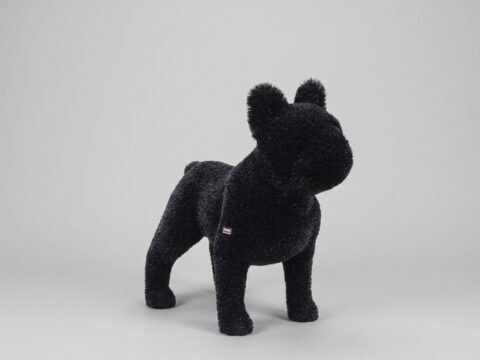
$2,350. Garden scale, 4.1 ft.
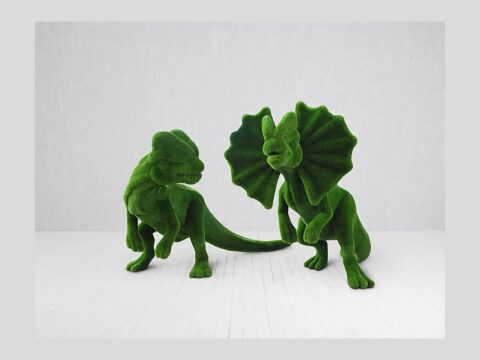
$17,200. Attraction scale, 8.5 ft.
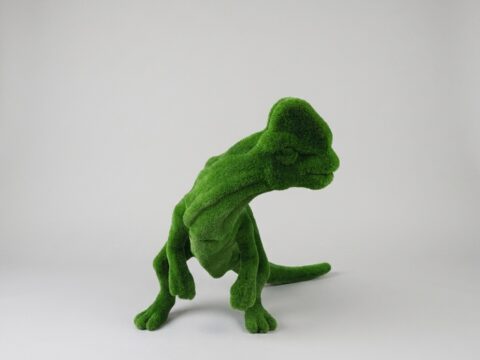
Quoted. Indoor finish, quoted with delivery.
What they cost
Ours run from $2,350 to $37,200, and that is the whole spread rather than a starting-from figure.
A four-foot animal sits near the bottom of that range. Six to eight feet lands between roughly $6,000 and $19,000 depending on the creature and the finish. Above eleven feet you are into the high twenties and thirties.
Height is only part of the price. Surface area and the complexity of the pose move it too. Fiddly extremities like wings, horns or plates each need their own shell and their own covering, so a Stegosaurus with plates carries far more shell work than a smooth-backed animal of the same height.
Every piece over about six feet is quoted with its delivery rather than priced in a cart. Freight on an eighteen-foot sculpture is a real number, and it belongs on the quote instead of turning up later.
What they survive
These are outdoor pieces. The published temperature range is −58°F to 122°F, which covers every climate in the continental United States with a wide margin at both ends.
Wind matters more than temperature. A large animal is a sail, and an unanchored one on an exposed site will eventually go over. Pieces over six feet carry internal steel tubing and are anchored to a footing. Smaller ones free-stand on level ground or pin into soil.
Public sites get anti-vandal mounting hardware, which means the fasteners are chosen so that a piece can be photographed by a crowd and not carried off by one. None of these is built to be climbed. They are built so that when somebody climbs one anyway, it does not fold.
Delivery and installation
They come by freight, braced upright on a pallet or in a crate, and the carrier calls ahead to arrange the drop. Use that call to arrange for somebody with the right equipment to receive the delivery.
Measure the route before you order. Check gate widths, the turn from the road onto the site, overhead branches and the ground the delivery vehicle has to cross. An eighteen-foot sculpture has to get through all of that on the day.
The smaller pieces free-stand or pin into soil in an afternoon. The larger ones want a prepared footing and, in a public setting, the anchor fasteners that ship with them. The delivery and receiving page sets out what arrives and what you need ready.
Where these earn their keep
People photograph them, and that is the commercial case. The retail dinosaur that went round TikTok in 2025 is the clearest example. The same thing happens at a smaller scale to any business that puts a large animal where a queue can see it.
The usual spots are entrances, mini-golf courses, garden trails, event lawns, seasonal attractions and children’s areas. If people queue or wait near it, put it where the queue can see it rather than where it looks tidiest on a plan.
Order commissioned sculpture from the custom category if you want a piece designed from your own drawing.
The full range, smallest first, is on the sculpture category page.
Questions we get asked
How long does the turf last outdoors?
The turf is UV-rated and fades slowly. The galvanised frame underneath lasts far longer, so a faded piece is re-covered rather than replaced. Re-covering is the cheaper end of a long ownership.
Does it need any upkeep?
An occasional rinse. No watering, no trimming, no seasonal work, nothing to overwinter.
Is it safe in a public space?
Pieces over six feet carry internal steel tubing and anchor to a footing. Public installations use anti-vandal fasteners. None of them is built to be climbed, and they are built not to fold if someone does.
Can I get a creature that is not in the range?
Usually, at a size and pose you specify. Send a reference photograph and the height you need, and we will come back with what it would cost and how long it would take.
Indoors or outdoors?
Both are in the range, and the finish differs. Ask which a given piece is made for before you buy it for a lobby.