







Artificial hedge panels and columns screen a wall, a fence, a balcony or a patio on the day they go up, with no soil and no waiting. Live hedging cannot do that.
The catch is that a flat run of foliage can look fake, so how you fix it and where you put it matter as much as what you buy.
The formats
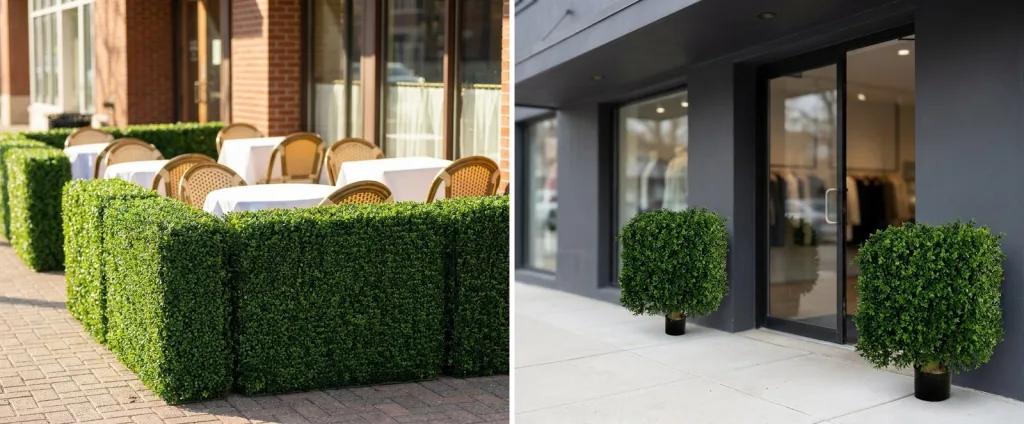
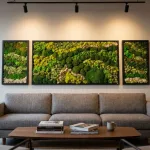
Panels are flat sections of foliage on a backing. They are the cheapest way to cover an area, and they fix to something already there, so they screen a wall or a fence rather than standing on their own. Our taxus leaf screens are 48 inches long.
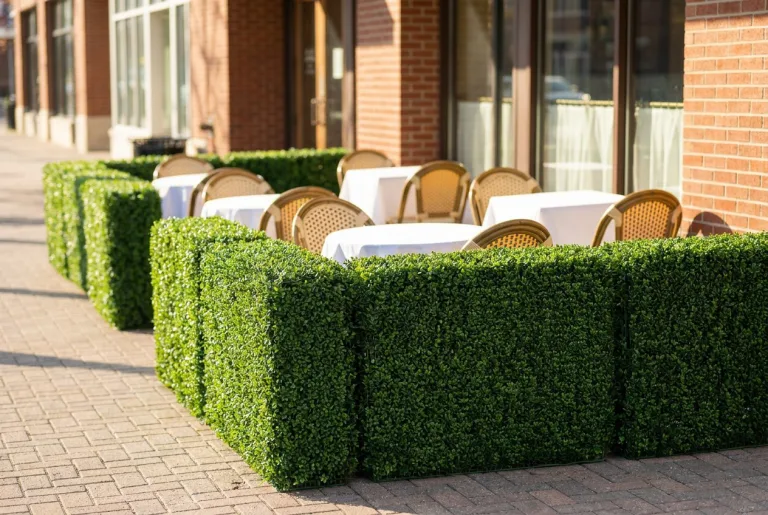
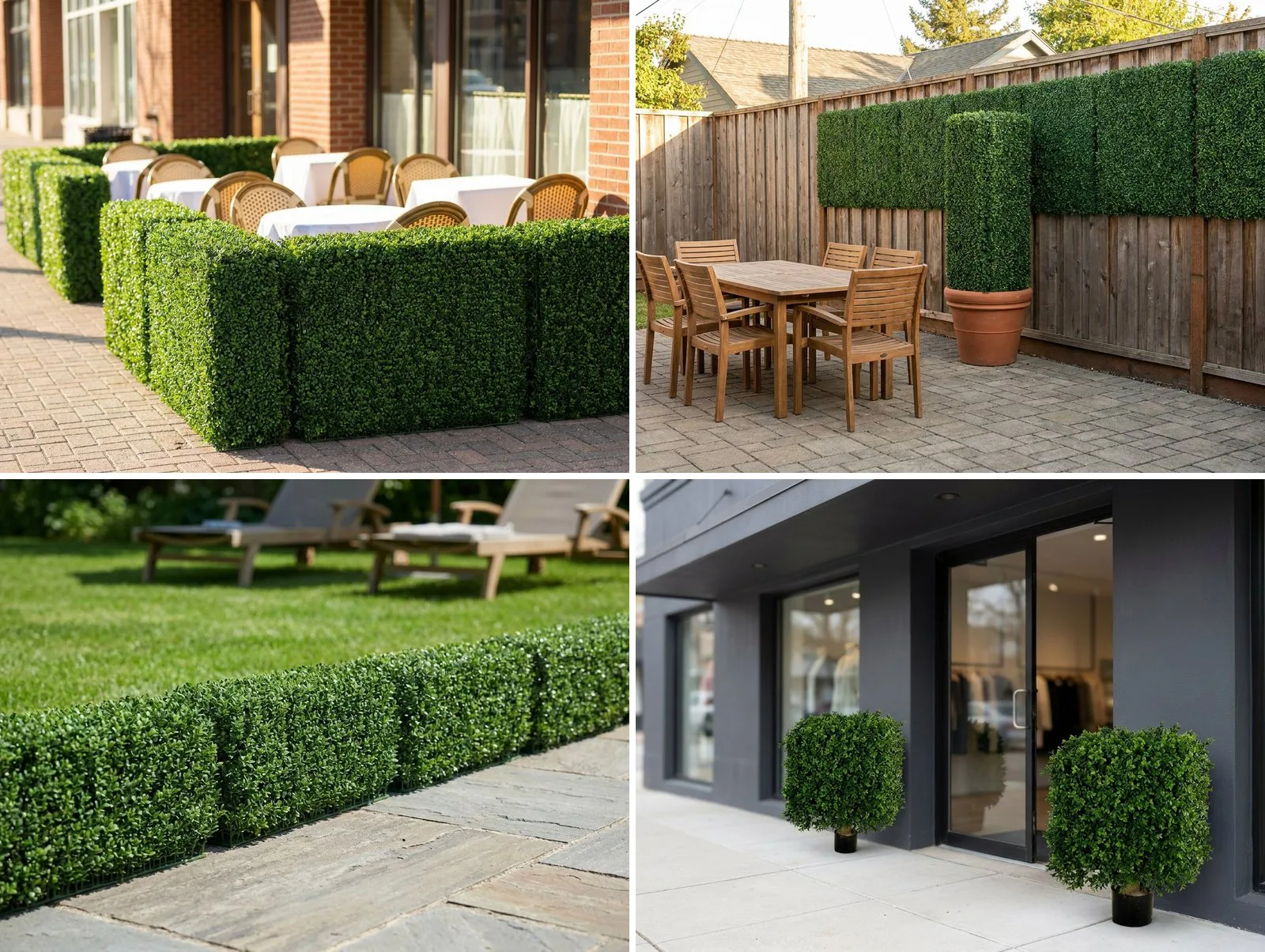
Hedge sections are boxwood blocks that stand on their own and join end to end into a low border or a screen, from 23 inches to 37 inches long.
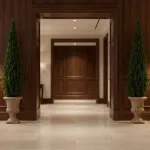
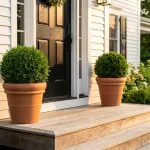
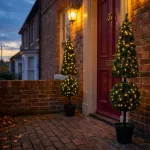
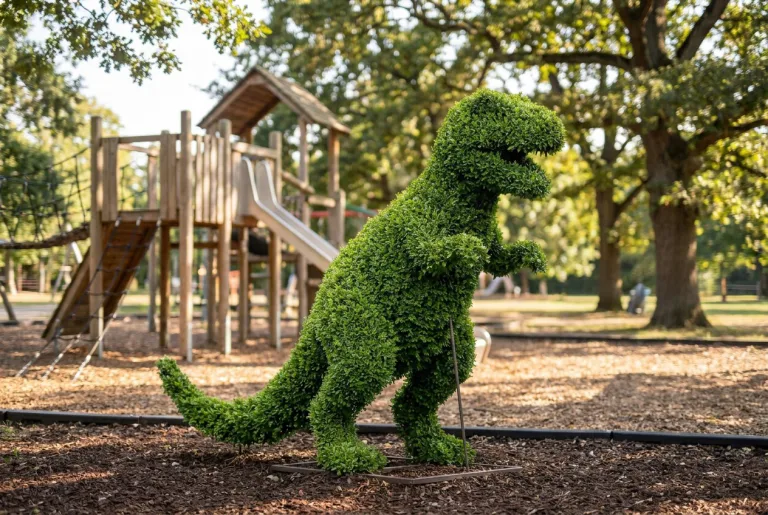
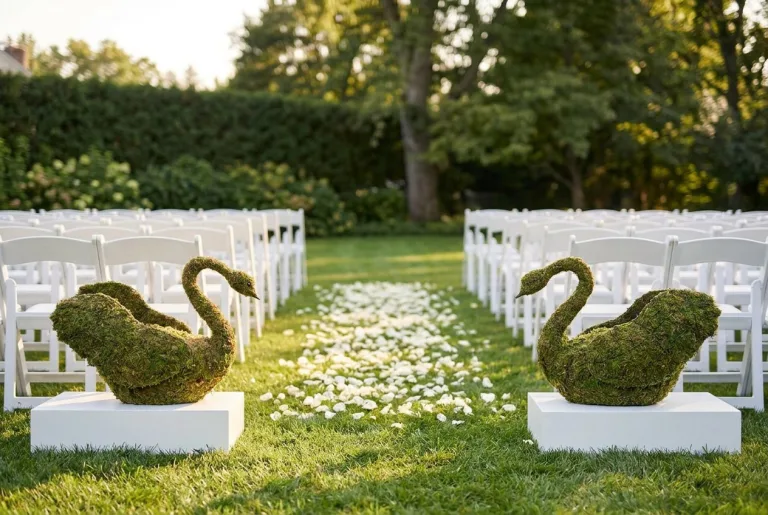
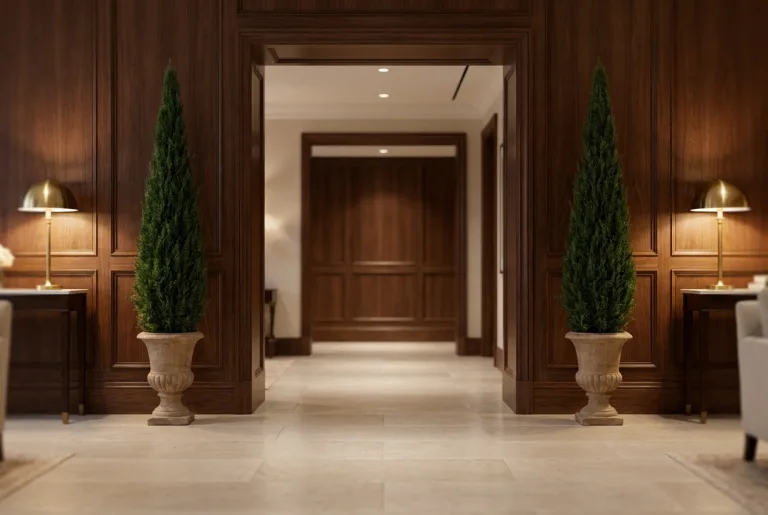
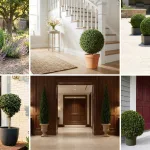
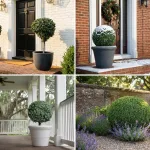
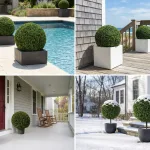
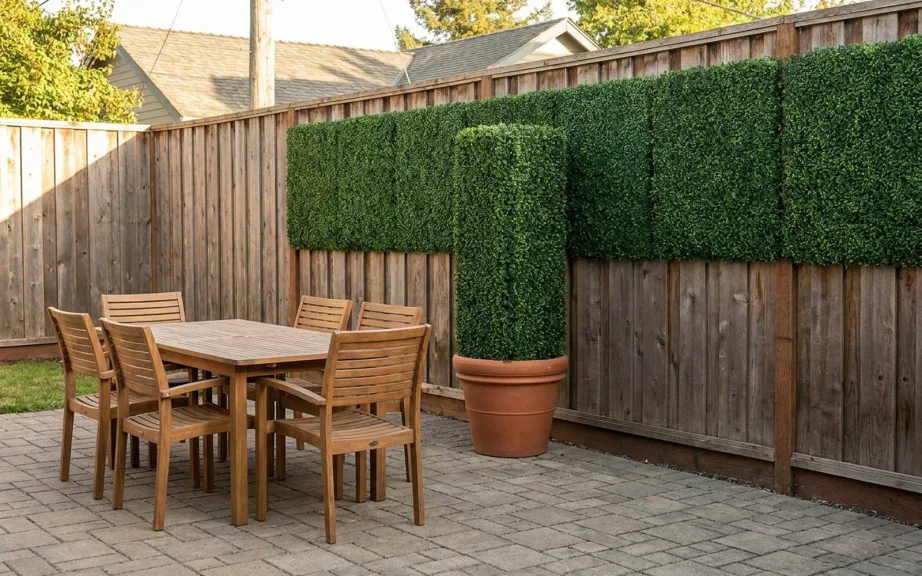
Squares and columns stand alone, usually in a container. Use one as a movable divider or an accent, not a continuous run. Space columns along a boundary instead of filling it, and the eye reads rhythm instead of a wall.
Coverage, and how to measure honestly
Panels are sold by the piece and used by the square foot, so work out the area first and then divide.
Two things eat into the coverage. Overlap: panels are joined by overlapping the edges, not butting them, so the covered area is less than the sum of the panel sizes. Edges and cuts: an area is rarely a clean multiple of a panel, and the offcuts are not always reusable.
Send us the dimensions and we will work out how many panels you need, so you do not have to order twice. There is no single percentage to add, because the allowance depends on the shape you are covering.
Fixing, which decides how it looks
More of the realism comes from how it is fixed than from what it cost.
Fix panels to battens rather than flat to a wall, so the foliage stands a little proud and casts its own shadow. Flat-mounted panels can look like wallpaper because they have no depth. Keep the fixings behind the foliage, not through the face of it.
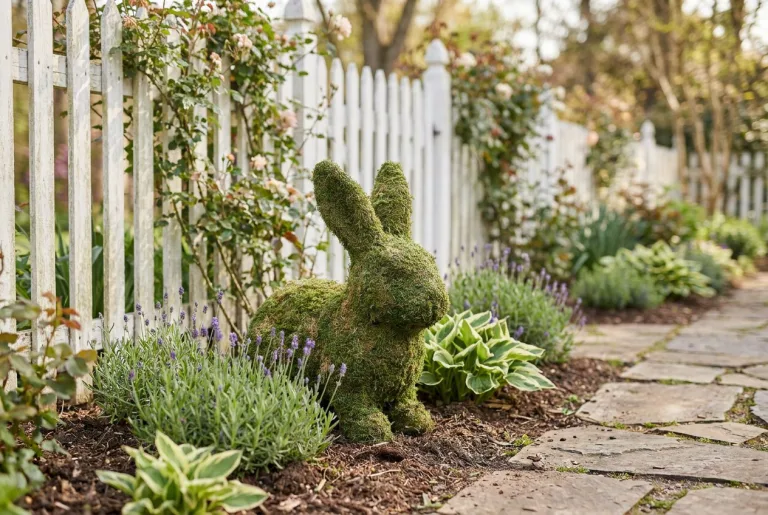
Interrupt the run with a column or a planter, vary the height, or let a real climber grow over part of it. An unbroken run at one height looks artificial.
On a balcony or a roof terrace, check the wind loading before you clad a railing. A solid green panel turns an open railing into a sail, and that is a structural question, not a gardening one.
Where it looks wrong, and which grade to buy
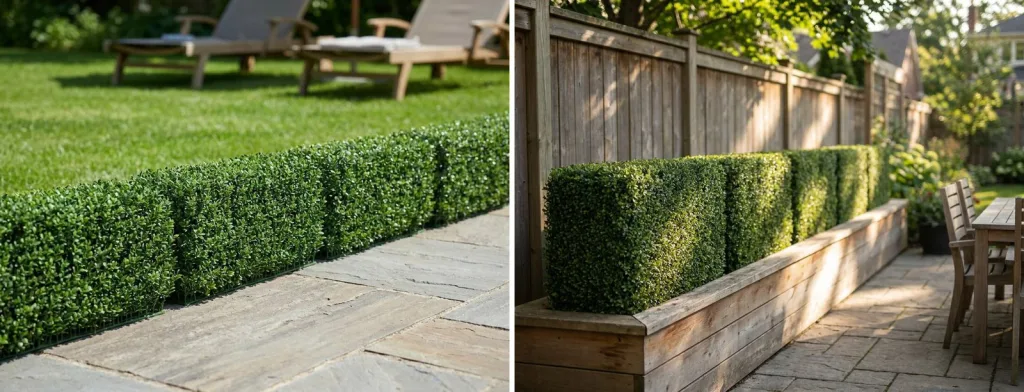
At close range on a main approach. Anywhere people walk within arm’s length every day, the repeat in the molding becomes visible. Use it at a distance, or accept that regular visitors will know.
Next to the real thing. A panel that meets a living hedge invites the comparison and loses it, so separate the two with a structure, a gap or a change of level. A climber growing over the face of a panel works, because it hides the joins.
In full sun, in the wrong grade. Screening covers a large area, so fading shows across the whole of it at once.
Some of our hedge sections are full outdoor grade, with a 5-year fade warranty (3 years in Florida and Arizona). Others are the lighter UV grade, which lasts up to about 2.5 years in sun and suits part shade. Ask which is which before you order a long run. The UV guide explains what the labels mean.
The range is in artificial hedges and shapes. For quantities, send the area and the aspect through the trade route, and we will work out the overlap and the offcuts with you before the order goes in.
Quick answers
How many panels will I need?
Send us the dimensions and we will work it out with you. Panels overlap at the joins, so they cover less than the sum of their sizes, and edges leave offcuts that are not always reusable.
How do I stop artificial hedging looking fake?
Fix it to battens so the foliage stands proud and casts a shadow, keep fixings behind the face, and break the line with a column, a planter or a real climber.
Can I clad a balcony railing?
Check the wind loading first. A solid panel turns an open railing into a sail, which is a structural question.
Does artificial hedging fade?
In open sun, slowly, and on a large area it shows everywhere at once. Choose the full outdoor grade for sunny runs and the lighter UV grade for shade.
Do you quote by the job?
Yes. Send the area and the aspect and we will quote the job, with the overlap and the offcuts worked out before you order.