

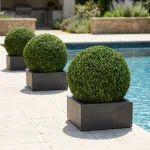











Before you check whether a live topiary will fit, add the height of its container to the quoted plant height. A 36-inch topiary in a 12-inch planter stands much taller in a doorway than the 36 inches on the listing. Here is how we quote sizes and how to check a piece will fit.
Where is a topiary measured from?
On live pieces, we measure height from the soil line to the top of the plant. The pot is not counted. We use the same rule on the live boxwood receiving FAQ and on delivery and receiving. So a quoted 36-inch boxwood is 36 inches of plant, sitting on top of whatever container it ships in.
If a piece has to clear a doorway, fit under a soffit or sit on a table, add the container height to the quoted height. Then compare that total against your space.
Measuring the container has its own trap: the width a planter is listed at is not the width of its opening. See what size planter a topiary needs.
How are stacked and shaped pieces measured?
We quote multi-part pieces by their overall height and list the sections separately. A triple-ball boxwood at 40 inches, for example, has a 12-inch ball at the base, a 10-inch ball in the middle and an 8-inch ball on top. The 40 inches covers the whole piece, including the stem between the balls.
Teardrops, cones and spirals work the same way. The quoted figure is the finished form from soil line to tip.
Width can decide the fit too. If a cone has to go in a narrow entry or a ball has to clear a railing, ask us for the width at the widest point. We have that figure for every piece we sell.
What about animal and frame topiary?
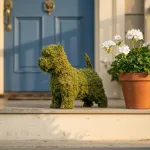
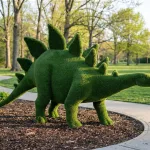
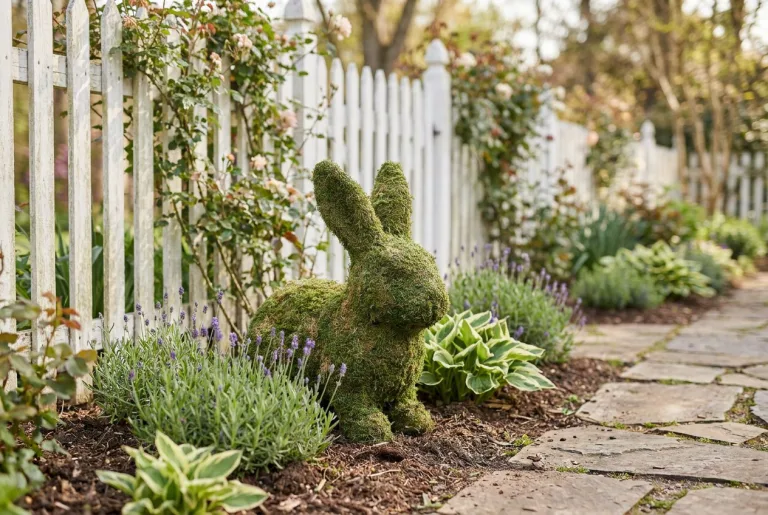
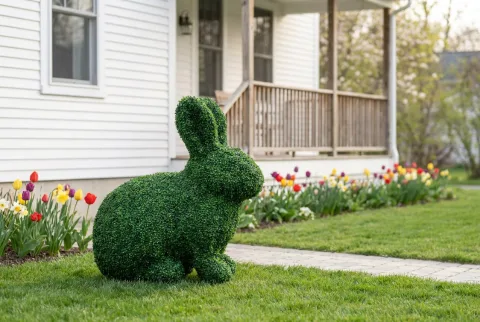
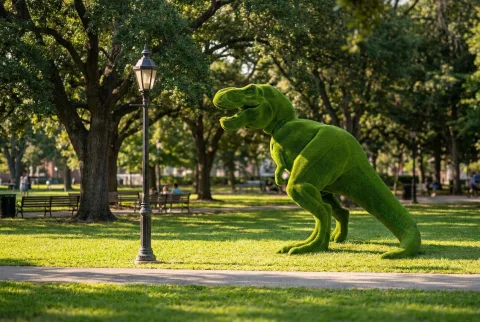
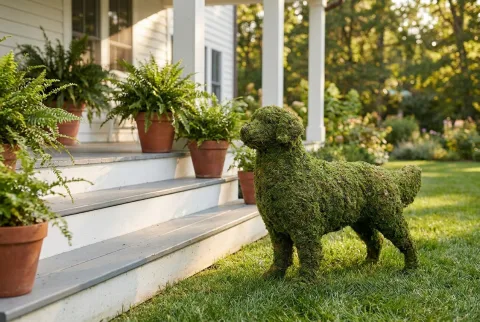
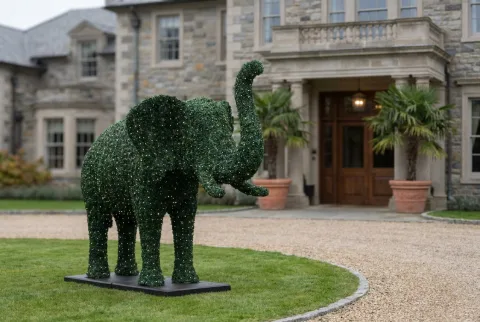
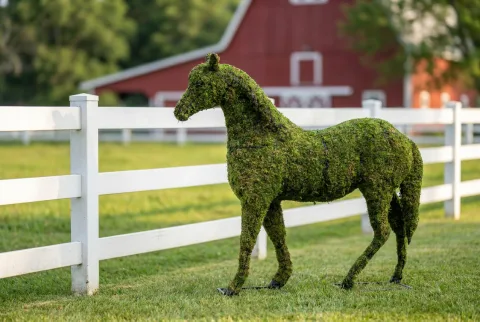
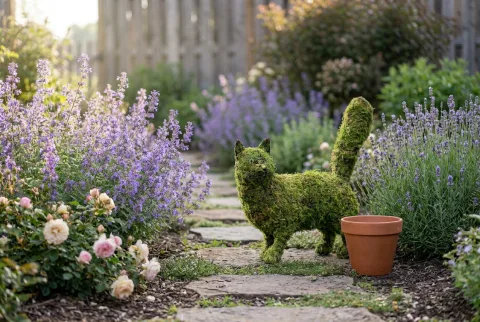
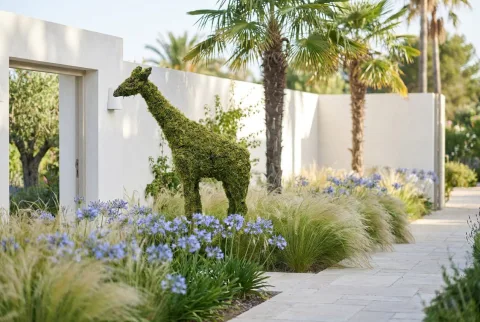
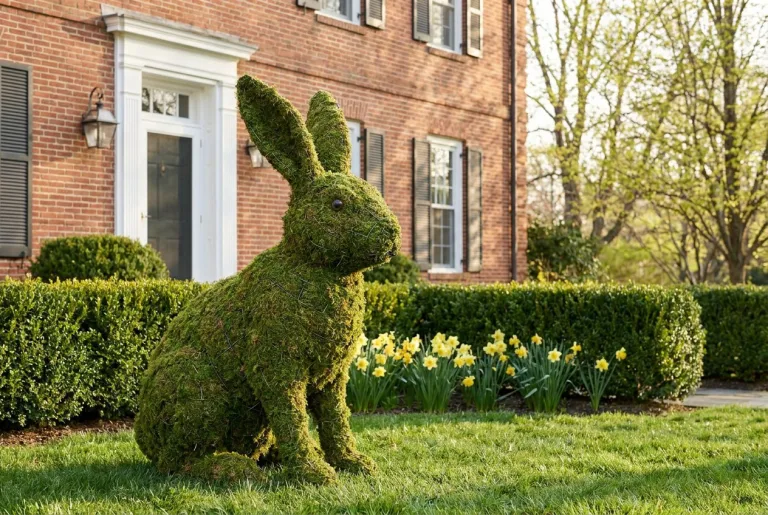
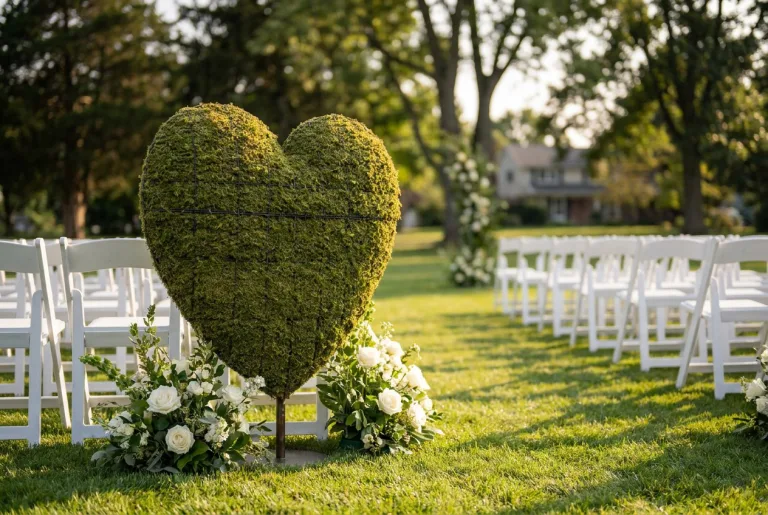
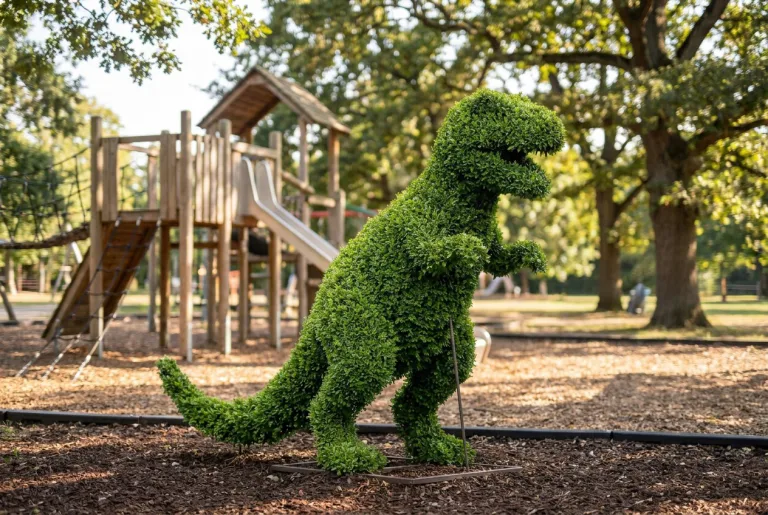
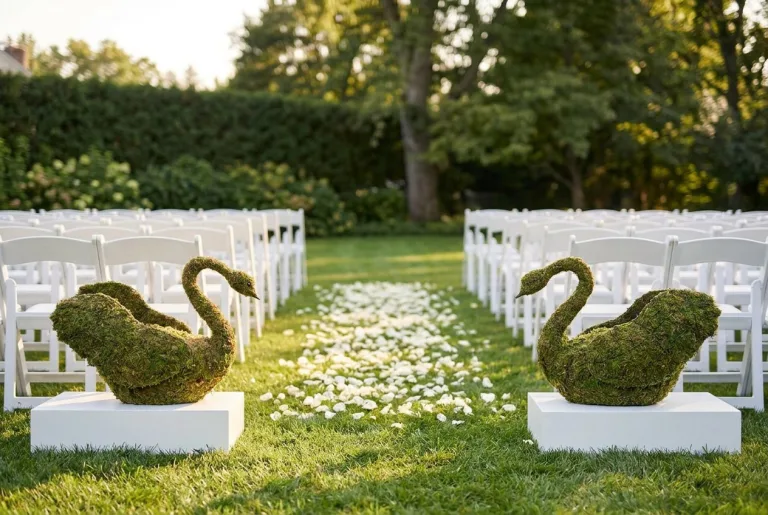
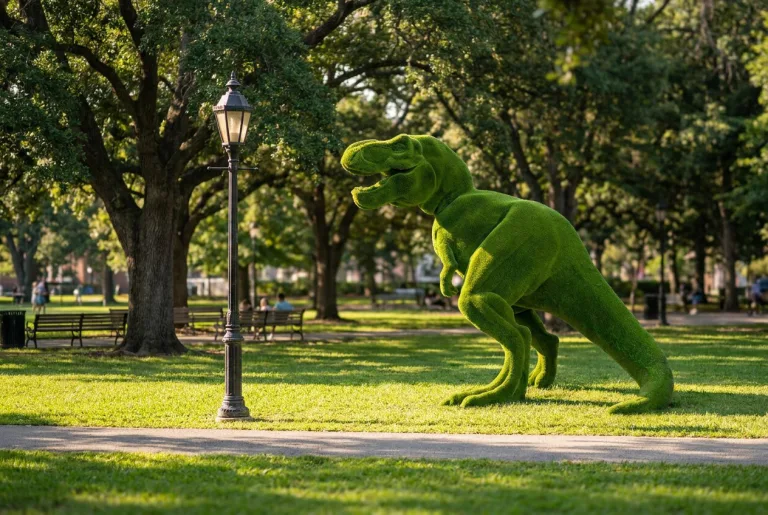
We quote animals and custom frames by height and length together, because a dog or a dinosaur needs both. Height is taken at the tallest point of the piece as it stands. Length is nose to tail.
For a specific spot, send us the space and we will tell you which size looks right in it. Scale is easy to misjudge from a photo. A piece that is small enough on paper can still overwhelm a doorway.
How should I measure my own space?
Measure the opening, not the room. Take the height to the lowest obstruction and the width at the narrowest point. Then decide how much depth you can give up before people brush the piece every time they walk past.
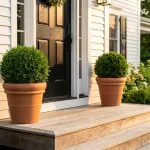
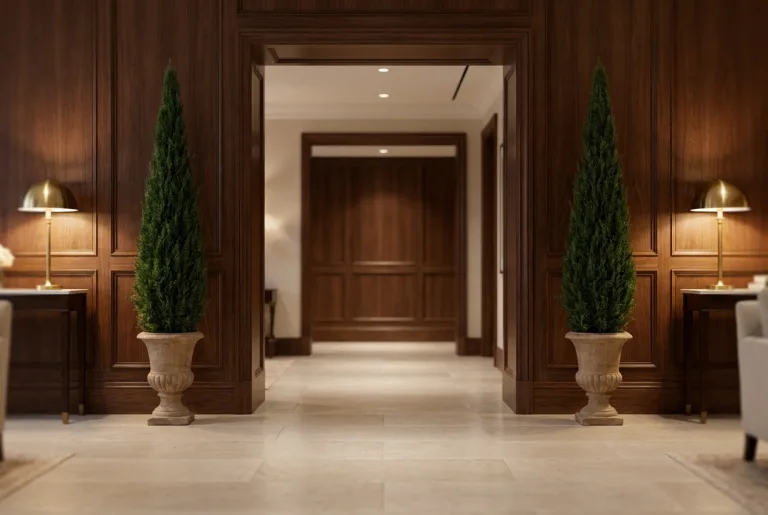
For a pair on either side of a door, measure the gap between them as well. A matched pair looks wrong when the spacing fights the size.
Check the delivery route too, especially for large pieces. A tall topiary can fit its final spot and still not fit the stairwell, elevator or gate on the way in. We would much rather solve that on the phone than on delivery day.
Not sure which size to order?
Tell us the space and we will tell you the size. Call 866-306-1020 or send us the dimensions, with a photo of the spot if you have one. That is faster than any measuring guide.
For made-to-order work, sizing is part of the design conversation anyway. See custom made topiary.