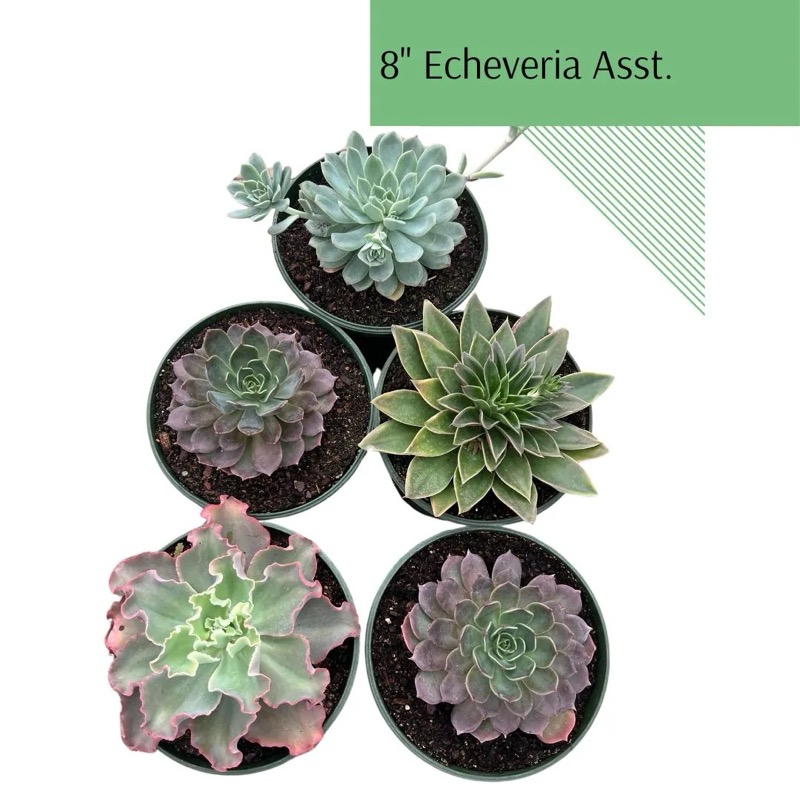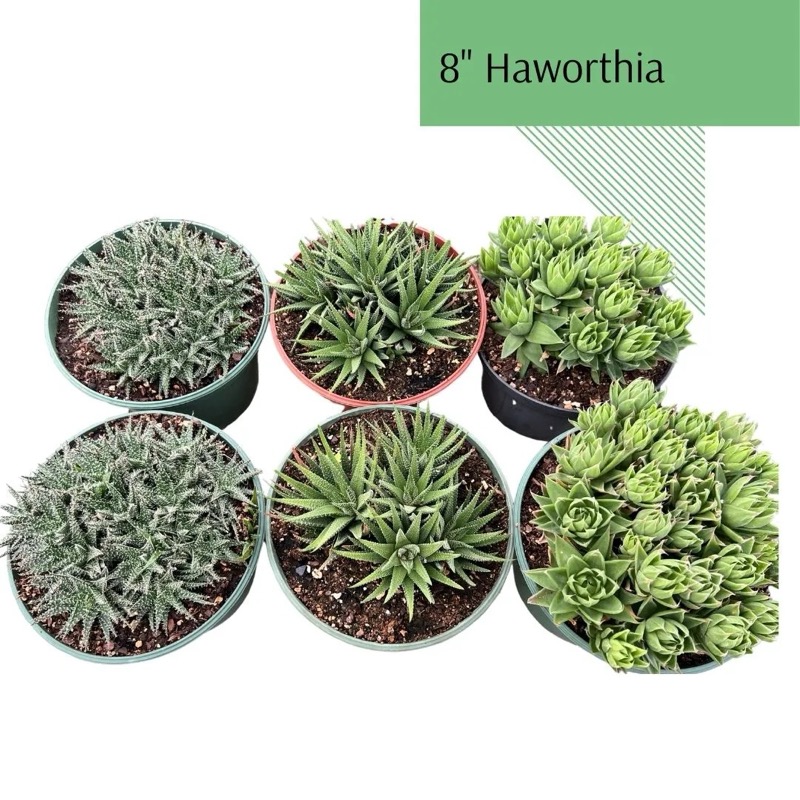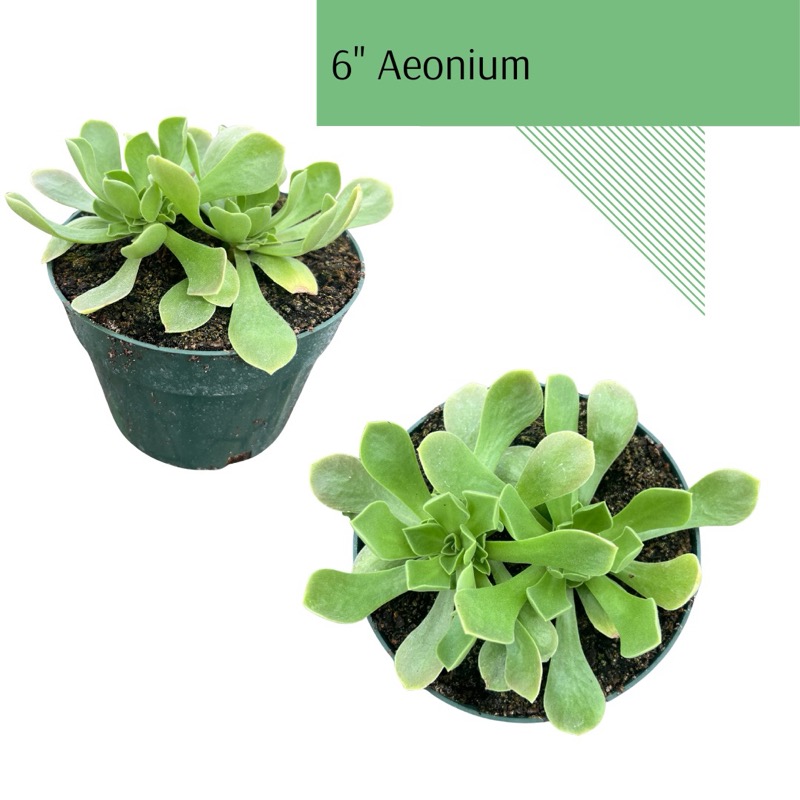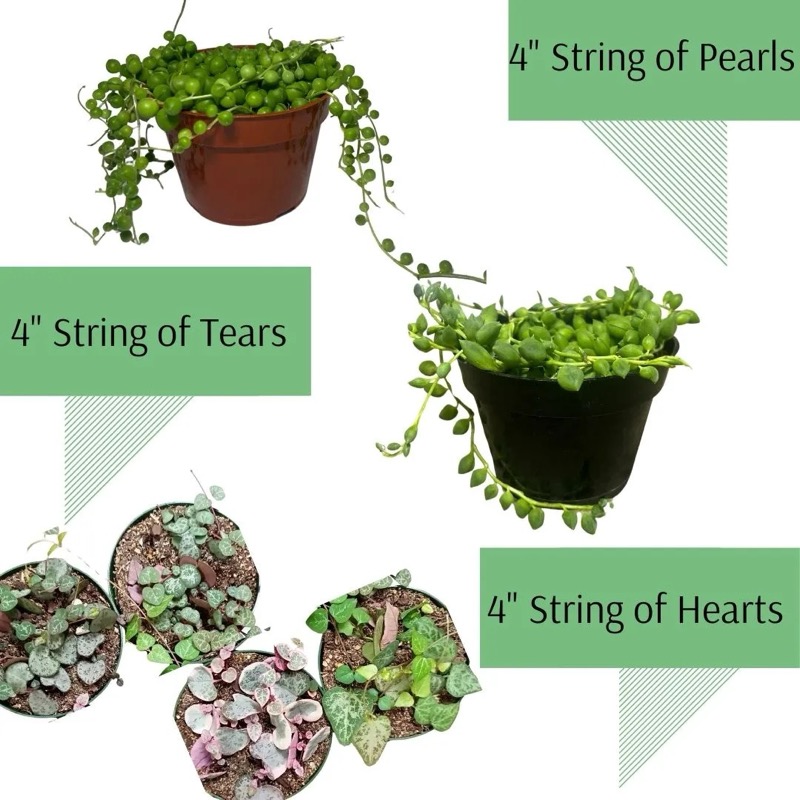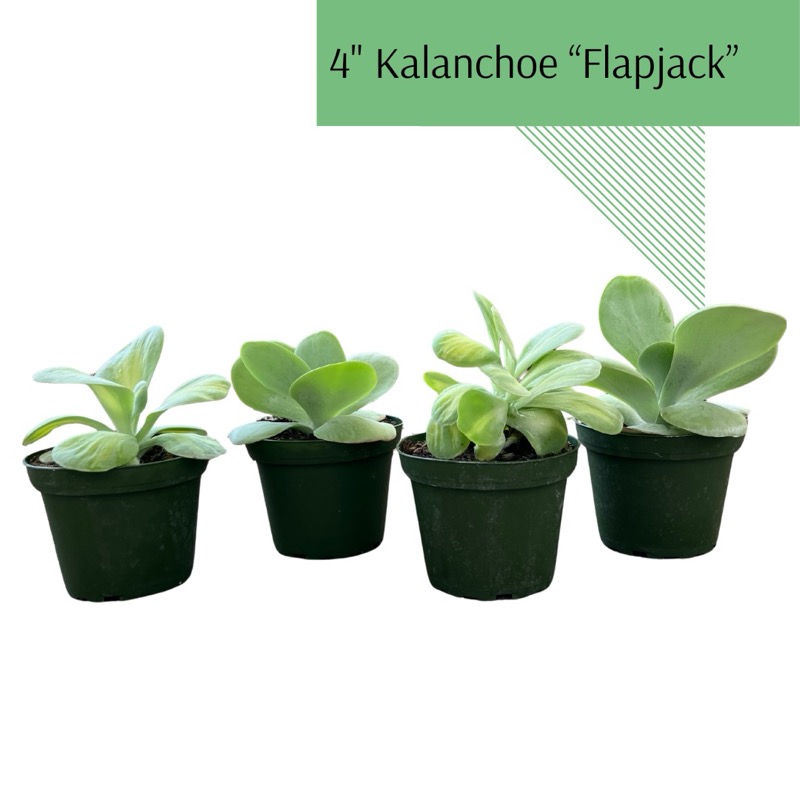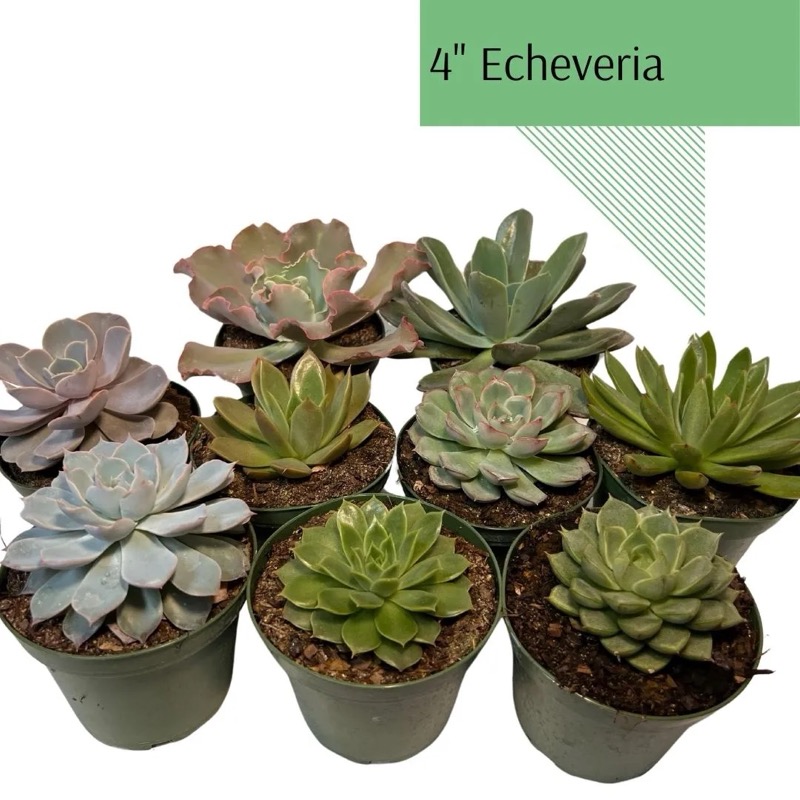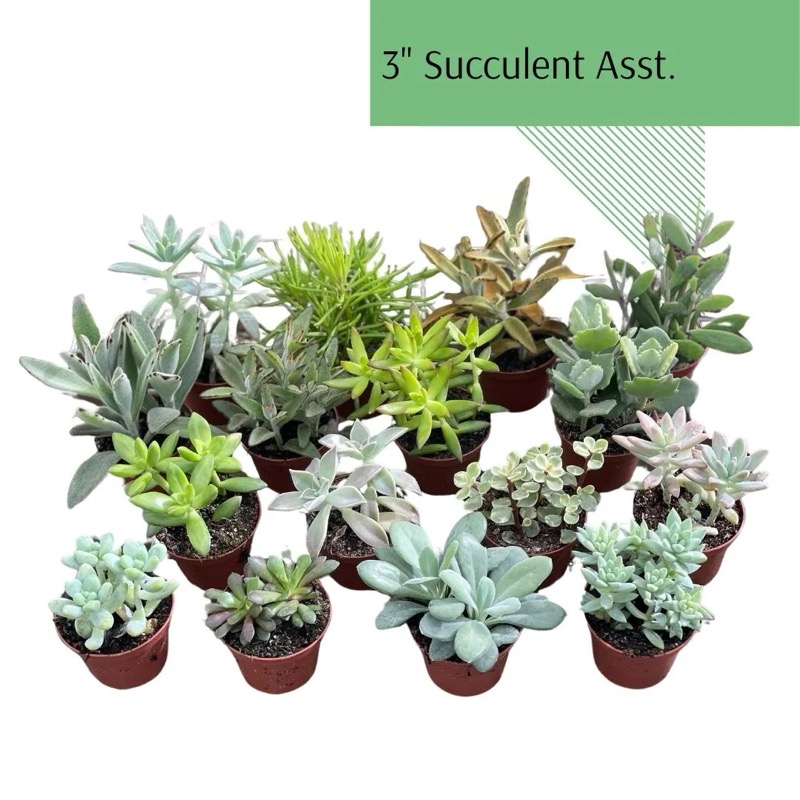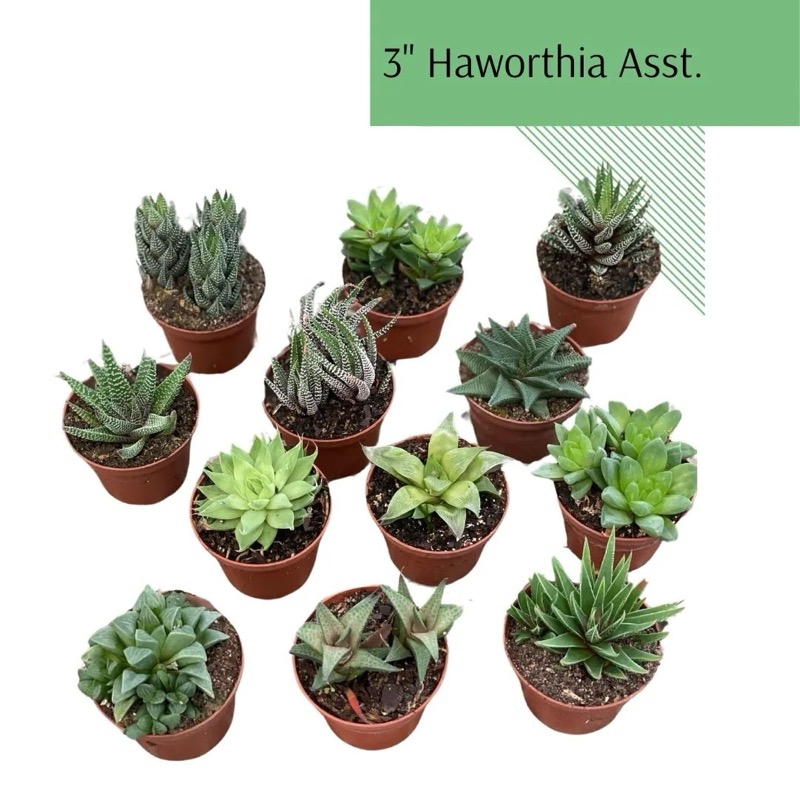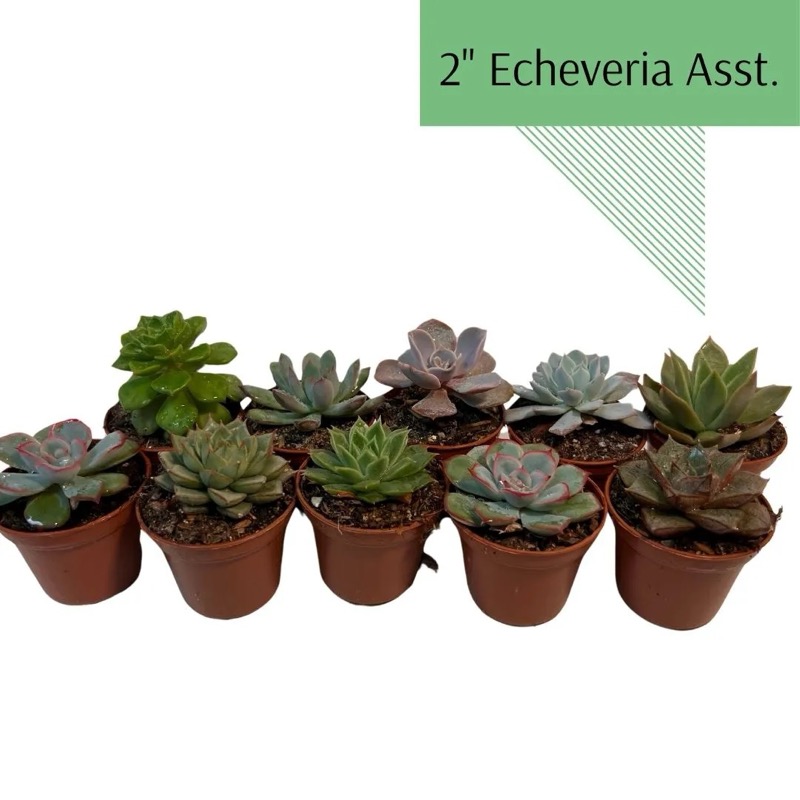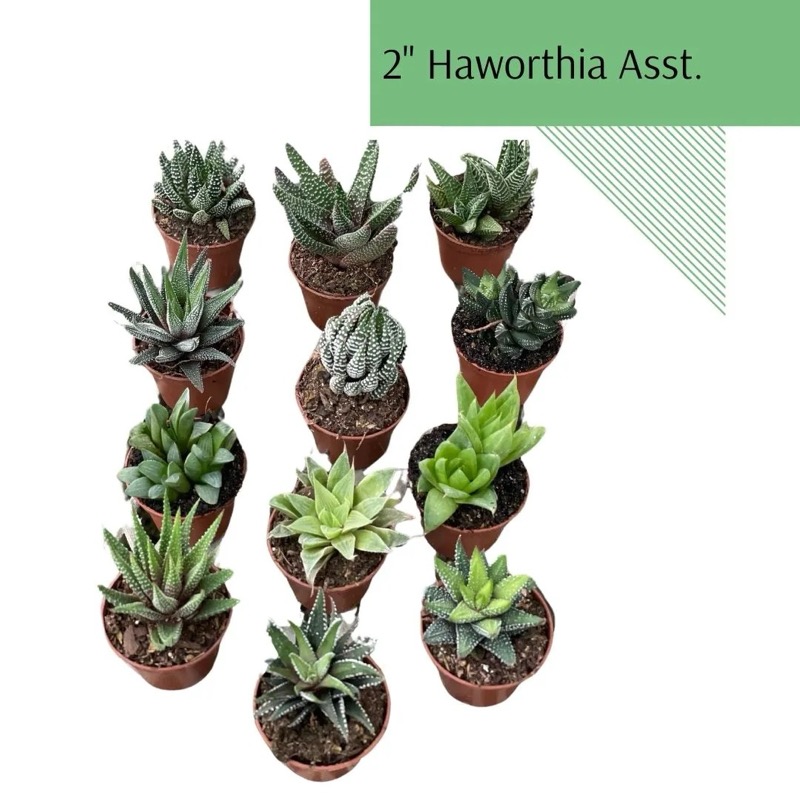
The best succulents to add to Your Topiary are Echeveria, Haworthia, and Aeonium. Below are pictures from 2 inches to 8 inches to show how they grow over time.
Creating a succulent-filled topiary using sphagnum moss is a fantastic project that blends botanical art with living sculpture. By utilizing resilient, visually stunning succulents like Echeveria, Haworthia, and Aeonium, you can create a piece that thrives and evolves over time.
Below is a guide on how to assemble and maintain your living succulent topiary.
Why Echeveria, Haworthia, and Aeonium?
As highlighted by experts, these specific succulents are ideal for topiaries because of their rosette growth habits and ability to tolerate the confined root space of a moss-based structure. They offer a diverse palette of colors, textures, and sizes that fill out beautifully as they mature.
Step-by-Step: Adding Succulents to a Moss Topiary
1. Prepare Your Moss Form
-
Select a frame: Use a wire topiary frame in your desired shape.
-
Prepare the sphagnum moss: Soak high-quality long-fiber sphagnum moss in water until it is fully saturated, then gently wring out the excess. It should be damp to the touch, not dripping.
-
Stuff the frame: Pack the wire frame firmly with the damp moss. Ensure the frame is packed tightly; if the moss is too loose, the structure will lose its shape once the weight of the succulents is added.
2. Prepare Your Succulents
-
Trim the roots: Carefully remove your chosen succulents from their nursery pots. Gently shake off excess soil. You can trim the roots back to about an inch or two to make them easier to insert into the moss.
-
Clean the plants: Remove any dead leaves from the base of the rosettes to prevent rot.
3. Planting
-
Create an opening: Using a pencil, a dibber, or your finger, create a hole in the sphagnum moss where you want to place the succulent.
-
Insert the plant: Gently push the root ball of the succulent into the moss. If the stem is too short to hold securely, you can use a floral pin (U-shaped wire) to gently pin the base of the plant against the moss.
-
Work from top to bottom: Start planting at the top of your topiary and work your way down. This prevents you from knocking over plants you have already placed.
4. Establishing the Plants
-
Allow for rooting: Once planted, keep the topiary in a well-lit area with indirect sunlight for about 2–3 weeks. Do not water during this initial period; this allows the roots to heal and begin reaching into the damp moss.
-
Final placement: After the plants have started to anchor themselves into the moss, you can gradually move the topiary to its permanent location, ensuring it receives appropriate sunlight for the specific species used.
Maintenance Tips
-
Watering: Because sphagnum moss dries out faster than soil, check your topiary regularly. When the moss feels dry to the touch, use a spray bottle to mist the surface or, if the shape allows, carefully submerge or drench the moss form with water. Ensure the moss never stays soaking wet, as this can cause the succulents to rot.
-
Light: While Echeveria and Aeonium generally enjoy bright, indirect light, watch for signs of “stretching” (etiolation), which means they need more light. If they begin to bleach or burn, move them to a slightly more shaded spot.
-
Pruning: Over time, these succulents will grow. If they become too large or lose their shape, you can gently remove them, trim the roots back, and re-insert them or replace them with younger cuttings to maintain the crisp look of your topiary.